
Last updated November 24, 2026
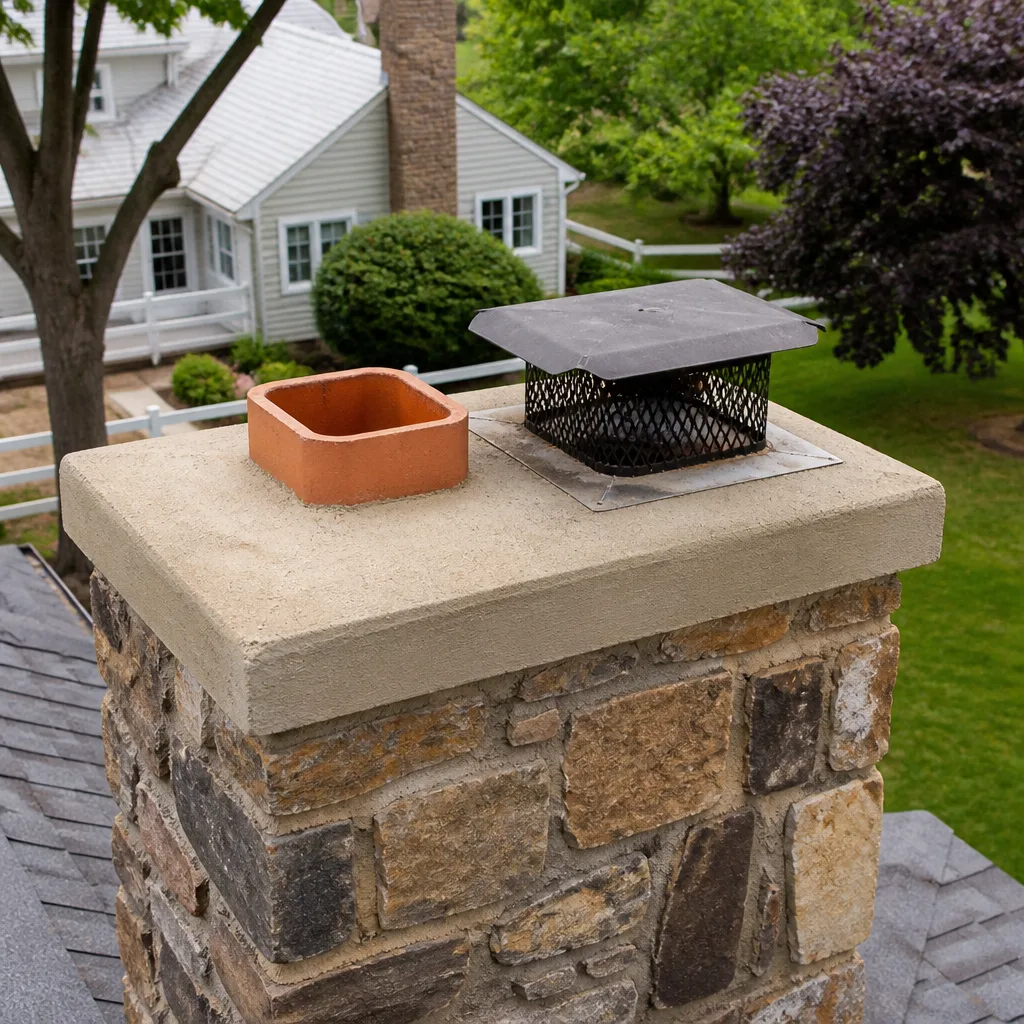 Sweep & inspection
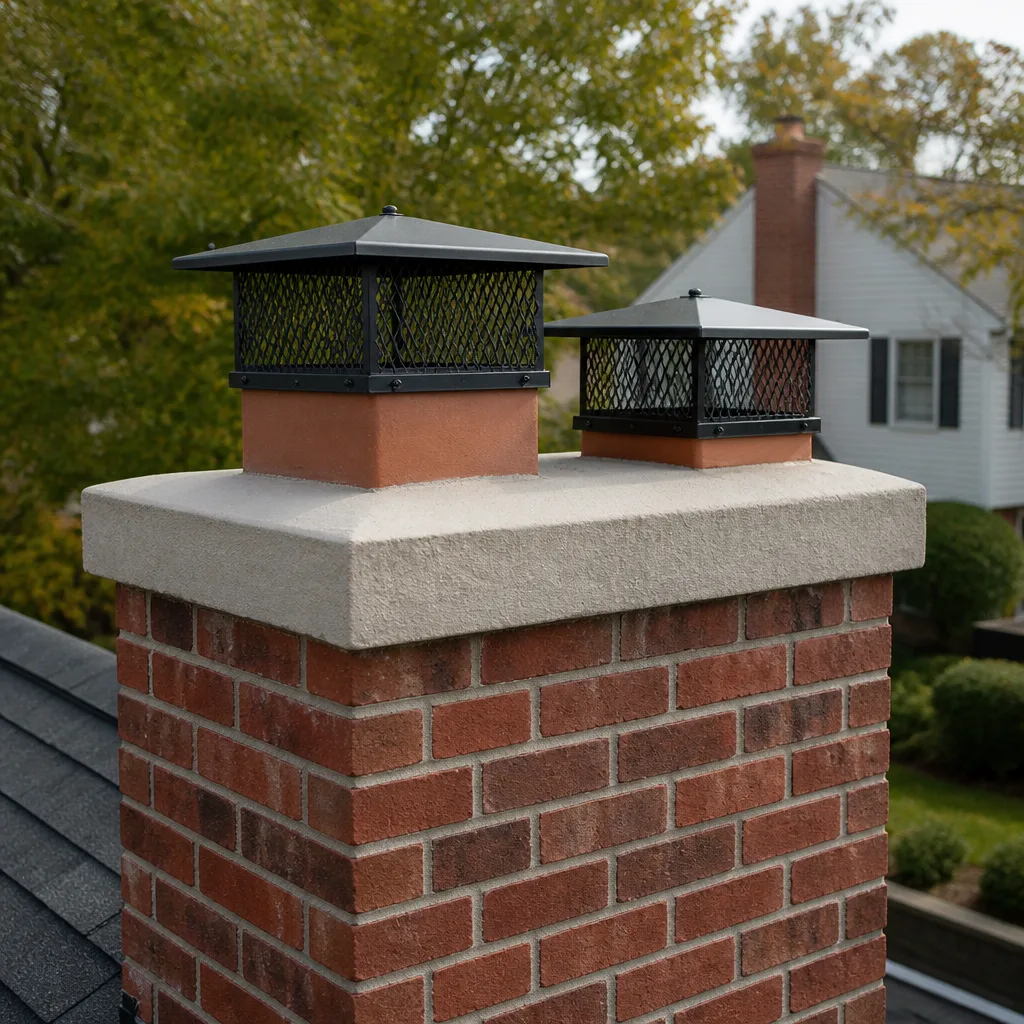 Caps & crowns
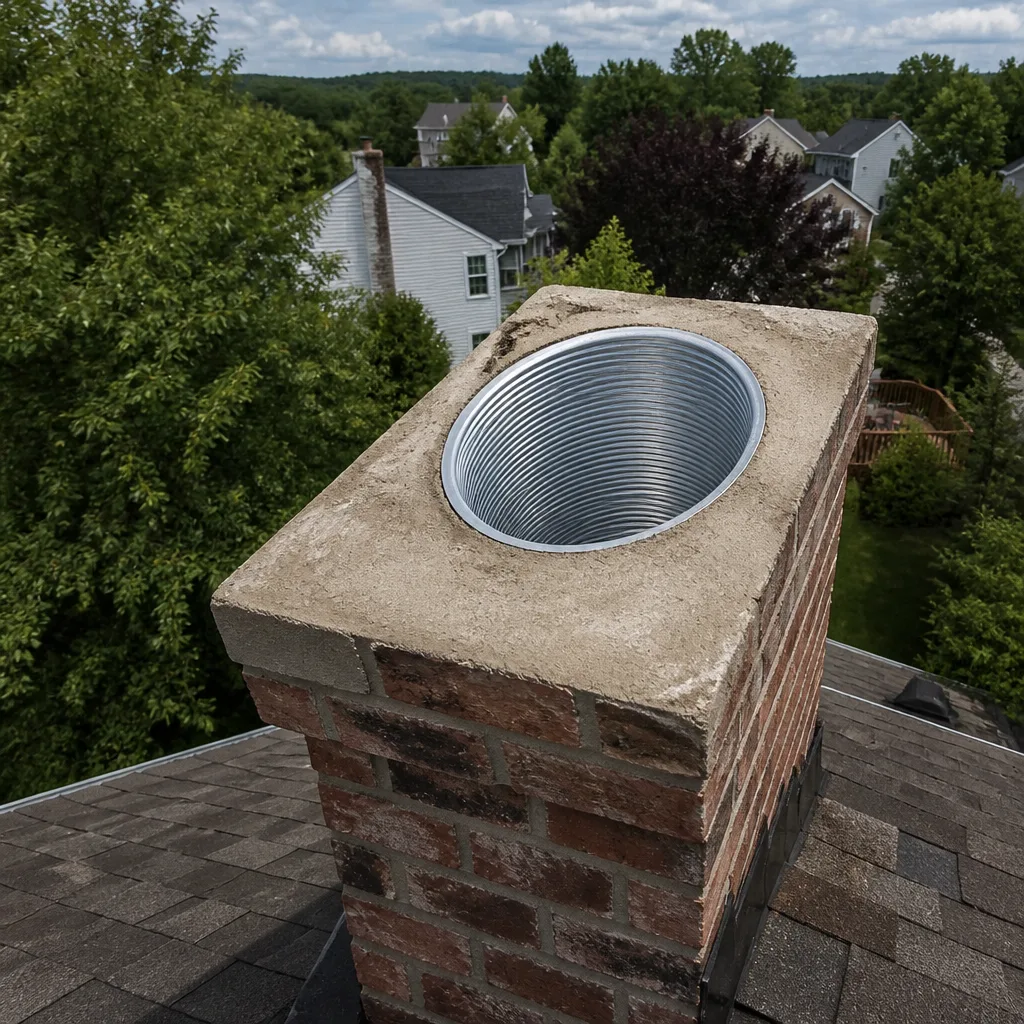 Flue relining
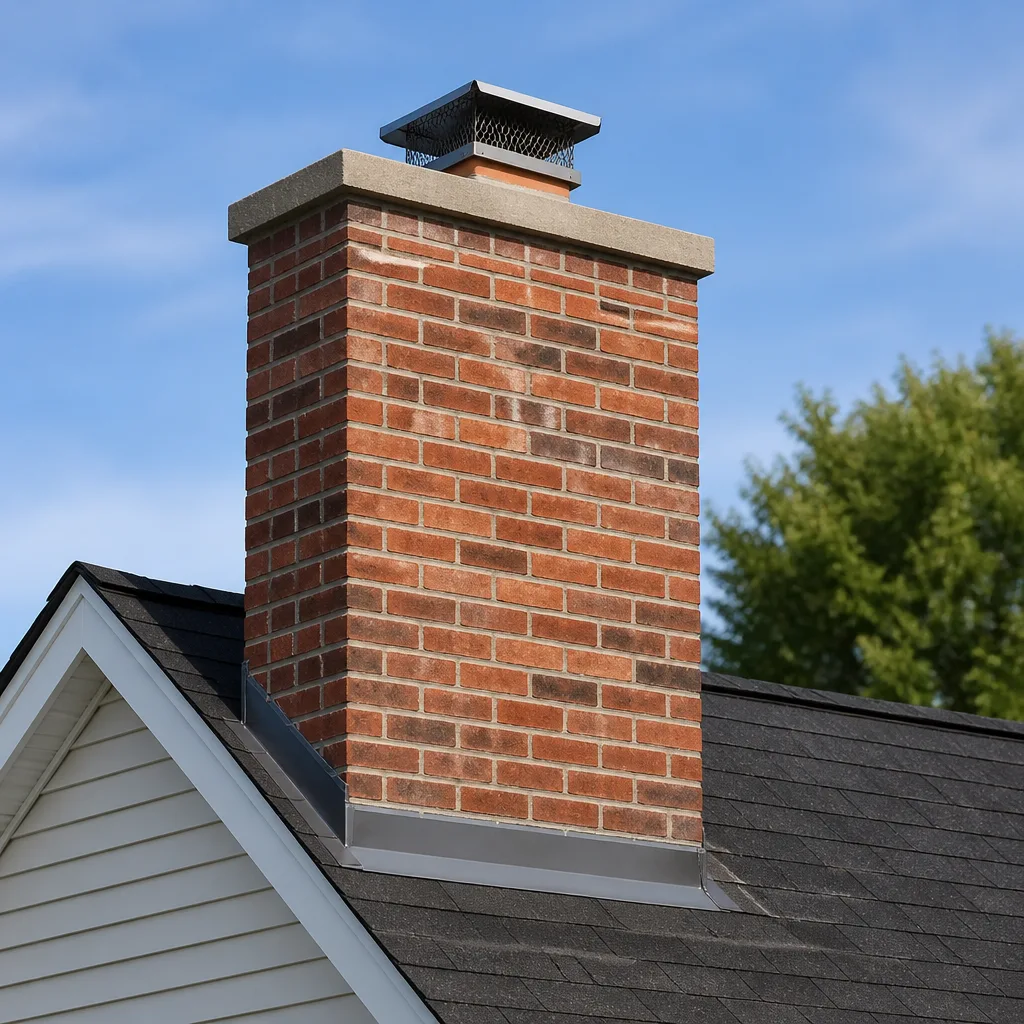 Masonry repair
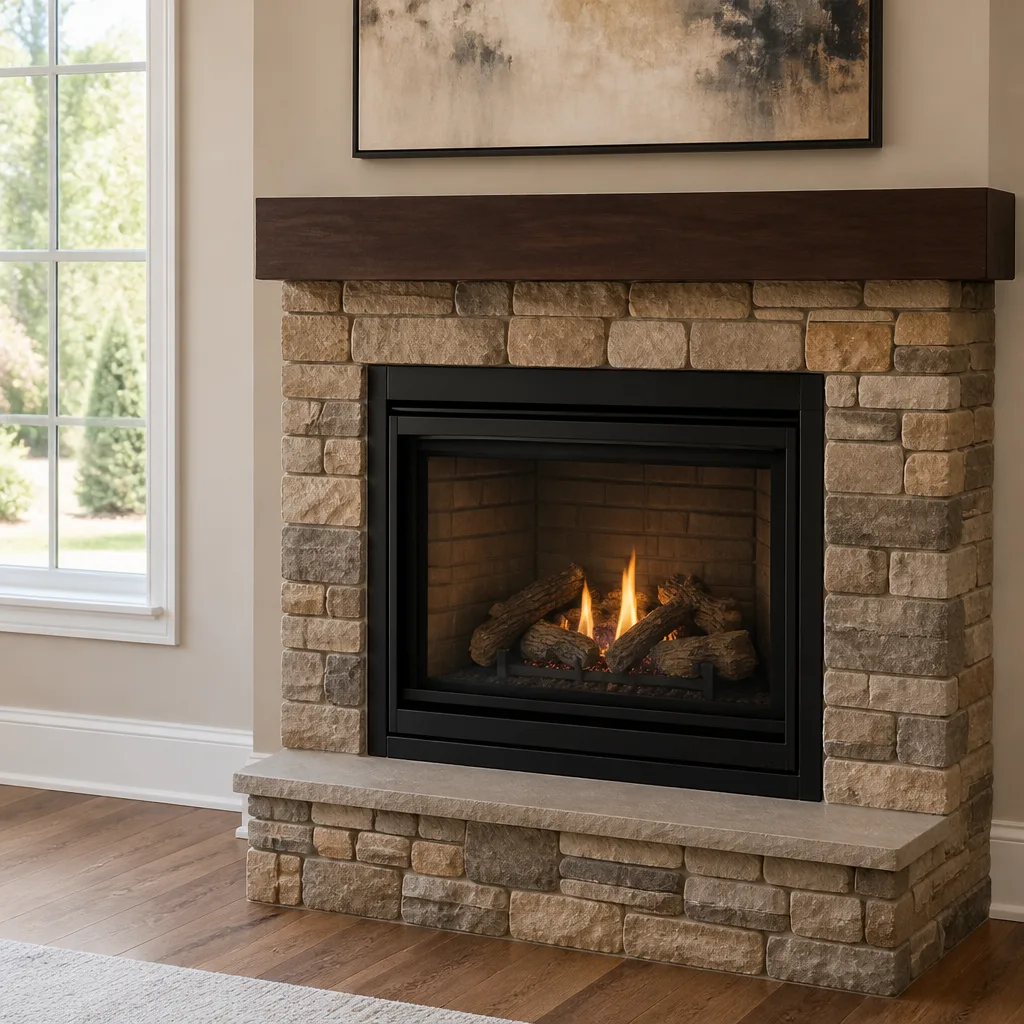 Gas fireplace service
Level 1 sweep and inspection to the NFPA 211 annual standard - flue, crown, cap, and flashing checked and photographed
Chimney sweep logs do not sweep chimneys. They loosen some creosote - which then falls where a brush and vacuum still have to collect it.
How to Hire a Chimney Cleaning Contractor in Ogden: A Step-by-Step Guide
Most homeowners in Ogden hire a chimney sweep the same way they hire a plumber: they find whoever answers first and comes cheapest. That shortcut is exactly why so many chimney problems get missed. The chimney trade has almost no barrier to entry. Anyone with a brush, a ladder and a van can print “chimney cleaning” on a card, and a lot of them do. Hiring well is a filtering process, not a search. This guide walks through the specific credentials to verify, the questions that separate real specialists from generalists, the red flags that show up in the Ogden market, and how to read a written estimate so the cheapest bid doesn’t quietly cost you a liner two seasons from now.
Quick Answer
To hire a chimney cleaning contractor in Ogden, verify three things before you book: a CSIA Certified Chimney Sweep credential, an NFI certification if you have a gas appliance, and an active Utah contractor license through DOPL. Then ask about their cleaning method, liner sizing approach and creosote treatment products. A qualified sweep inspects before recommending, shows you camera evidence, and puts the price in writing before any work starts.
Styles & brands we work with
- Sweep & inspection
- Caps & crowns
- Flue relining
- Masonry repair
- Gas fireplace service
Table of Contents
- Why the Chimney Trade Has Almost No Barrier to Entry
- The Credentials to Verify Before You Book
- The Questions That Separate Specialists From Generalists
- Red Flags Specific to the Ogden Market
- How to Read a Chimney Cleaning Estimate
- Why Ogden’s Climate and Housing Stock Change the Equation
- What Chimney Cleaning Costs in Ogden, and What It Really Buys
- What Actually Happens If You Skip It
Why the Chimney Trade Has Almost No Barrier to Entry
Here’s the uncomfortable reality. Utah does not require a separate chimney sweep license, and the certification most homeowners assume is mandatory isn’t legally required to hang a shingle and start sweeping. CSIA certification is voluntary. That means the quality of the person on your roof depends almost entirely on what you check before they climb up, not on what the state checked for you.
That gap matters more in chimney work than in most trades. A bad roof job shows up as a leak within weeks. A bad sweep can look fine from the driveway for years while a cracked flue liner quietly turns into a carbon monoxide path into the living space. The consequences of an unqualified hire are delayed, hidden, and occasionally dangerous.
The good news is that serious companies treat certification as table stakes, not a selling point. The less good news is that some ads look professional, run a clean website and still send out technicians with no certification at all, working under a single certified owner who never sets foot on the job. Roughly a quarter of “chimney cleaning” work in this market is done by a generalist who also does gutters and pressure washing.
This is the core of the hiring problem, and it’s why the steps below focus on what you can actually verify rather than what a company claims. The rest of this guide gives you the checklist. For a company that handles the full sequence from sweep to structural repair, see Chimney Sweep Ogden.
The Credentials to Verify Before You Book
Verification is a 15-minute exercise and it filters out most of the weak operators. Don’t take a “certified” sticker at face value; ask for the specific credential and look it up. Here are the three things worth checking, in order of importance.
- CSIA Certified Chimney Sweep. The Chimney Safety Institute of America runs a nationally recognized certification that requires passing an exam and a code-of-ethics agreement, plus ongoing education. Ask for the name of the certified technician who will be at your home, not the company. If the answer is “we’re certified” without a name, ask again.
- NFI certification for gas appliances. If you have a gas fireplace or gas insert, look for National Fireplace Institute certification. Gas work involves combustion analysis and venting logic that a wood-only sweep may not be trained on. An NFI credential in the appropriate category tells you the technician has been tested on exactly the equipment in your home.
- Active Utah contractor license, verified through DOPL. The Utah Division of Occupational and Professional Licensing keeps a public license lookup. Chimney repair that touches masonry, liner systems or structural components generally falls under contractor licensing, so run the license number through DOPL to confirm it’s active and the classification matches the work. Also confirm the local pro carries liability insurance and workers’ compensation, which the company you hire should be able to document.
One more practical check: ask whether the company is exclusively a chimney and fireplace specialist or a multi-trade outfit. A company that also does HVAC, roofing and general masonry spreads its attention across several specialties, and diagnostic accuracy usually suffers. A dedicated chimney contractor also keeps a deeper stock of the materials the job needs, including brand-name liner systems like DuraFlex. A sweep that does nothing but chimneys will also tell you plainly when a simple cleaning is all you need, which is a good sign in itself.
The Questions That Separate Specialists From Generalists
Credentials tell you whether someone has been tested. Questions about method tell you whether they actually understand what they’re doing in your home. Ask these during the booking call, before anyone comes out, and pay attention to how specific the answers are.
“What cleaning system do you use?” A serious answer mentions rotary cleaning equipment matched to the flue type, not just a hand brush and a shop vac. Rotary systems are the standard for removing glazed creosote, which a hand brush skips right over. A technician who can describe how they choose the system for wood versus gas, and how they protect your floors and furnishings during the job, knows the work.
“How do you size a liner replacement?” This is the tell. Liner sizing follows appliance output and flue geometry, and a technician who answers with a specific method (measuring flue dimensions, working from the appliance’s venting requirements, choosing a brand like HeatShield for restoration versus a full reline) is operating from engineering, not guesswork. Vague answers here are a warning. We’ve seen a wrong-sized liner cause draft failure within the first season, and the fix costs what the original job should have.
“What creosote treatment products do you carry?” Glazed creosote is common in our climate and in homes that burn heavily. There’s a real difference between chemical treatments that soften it for removal versus products that are only meant for light soot. A technician who names the product line and explains when each is appropriate has more options than someone with one drill and one brush. We stock professional-grade materials like Gelco and Olympia Chimney components because the job often needs them, not because they’re on a shelf.
“Do you inspect as a standalone service?” This one matters for trust. Some companies only offer inspection as the first step toward a sales pitch. A company that lists inspection as a distinct service, performed with the same care whether or not any repair is needed, is one worth hiring.
Red Flags Specific to the Ogden Market
General warnings (“avoid anyone who knocks on your door”) apply everywhere, but a few patterns show up more in this region than homeowners might expect. Watch for these.
- Unusually low flat-rate pricing that excludes inspection. A cleaning price that undercuts the market typically leaves out the inspection that catches real problems. The low rate gets the foot in the door, and the upsell happens once the technician is standing in your living room. A fair cleaning quote states clearly whether an inspection is included.
- Door-to-door solicitation after storms. Post-storm canvassing is common, and chimney-related storm damage (missing caps, cracked crowns, rain-soaked flues) makes the pitch feel urgent. Legitimate chimney work is booked, not sold off the back of a clip chart. Slow down before signing anything.
- No physical business address. A company with no verifiable address, no DOPL license on record and no crew you can name is hard to hold accountable. A local chimney specialist should have a clear identity, a phone number you can reach and a license you can look up.
- Estimates that treat inspection as a bundle. If the only way to get an inspection is to buy the cleaning plus “full service package,” you’ve lost the ability to make a separate buying decision. Standalone inspection is the honest baseline.
- Work performed by unnamed, uncertified technicians. If the certified name is missing from the crew, ask who’s doing the work. A one-person certification covering a whole crew is the most common gap we see.
The thread connecting all of these is transparency. A contractor who shows you the credentials, the license, the address and the written scope is a contractor who will show you camera evidence of what’s actually wrong instead of asking you to trust a diagnosis you can’t see. That difference is the entire point of vetting, and it’s why we inspect before we recommend, not after.
How to Read a Chimney Cleaning Estimate
A written estimate is the clearest window into how a company operates. The line items that appear, and the language used, tell you whether you’re dealing with a technician or a salesperson. Every estimate should include the following, in writing, before any work begins.
- Scope of the cleaning: what’s being cleaned (flue, firebox, smoke chamber, damper) and the method used.
- Inspection included or separate: an explicit statement of whether an inspection is part of the price.
- Any findings from inspection: problems noted, with the cost of each repair broken out separately so you can decide.
- Materials named: if a cap, crown, liner or sealant is recommended, the estimate should name the product or system (for example, a HeatShield liner restoration or a DuraFlex reline) rather than a generic “liner repair”.
- The final price in writing: a flat-price sweep agreed before booking, with the total stated and nothing added later without your approval.
Now the vague language. Phrases like “cleaning as needed,” “repair to be determined,” or “inspected and corrected as necessary” are signals of a low-quality operator. They leave the door open for open-ended billing and mean you don’t actually know what you’re paying for. If a proposal can’t tell you what’s being cleaned and what the total is, it’s not an estimate; it’s a placeholder.
The most useful line in any estimate, though, is the one that says a repair can wait. A specialist with a camera report can tell you what’s urgent and what isn’t, which is a different skill from closing the sale. When the report includes photos, you can see the same evidence the technician sees, and that’s the best protection you have against being sold work you don’t need.
Why Ogden’s Climate and Housing Stock Change the Equation
Ogden’s winters run cold and long enough that heating season is essentially a six-month run, not a short spike. That matters for chimney maintenance because the creosote accumulation in a heavily used flue is a different beast from what you’d see in a mild climate. Cold drafts, moisture at the flue top and heavy burning all interact with how the chimney performs. A schedule built for a milder place doesn’t transfer here.
The housing stock adds another variable. Much of the older housing around central Ogden, including neighborhoods near the downtown core and older properties in the surrounding east and west bench areas, has masonry chimneys that have been through many heating seasons. Crumbling mortar in the exterior joints, a missing cap, water coming down the flue, and smoke backdrafting into the room are the most common issues we see in these homes. Each is repairable, but each also affects when a cleaning is due and what a proper repair looks like. A chimney that’s taking on water, for example, needs crown and cap work before a cleaning alone will help.
Calling a professional matters most for the repairs that go beyond sweeping. A missing cap or a cracked crown is often the entry point for water damage, and once water gets into a masonry chimney, the degradation accelerates. A qualified technician will know what to check and when that kind of structural repair is necessary. For that part of the work, see chimney cap & crown, and for the parts of your system inside the house, fireplace repair.
The seasonal rhythm here is worth keeping in mind. If you rely on your fireplace through the winter, the best filter is the inspection before the burning season starts. That’s not about emergency response; it’s about a clean chimney before the first steady cold snap, when the schedule fills and problems are harder to catch. If you’d rather not risk a clogged or deteriorated flue going into a long winter, the right time to book a chimney sweep is before the cold settles in.
What Chimney Cleaning Costs in Ogden, and What It Really Buys
Chimney cleaning in Ogden typically ranges from about $180 to $350 for a routine sweep, with inspection as a separate line item or bundled into the price. More involved work (liner restoration, relining, cap and crown repair) costs more, and that’s where the written estimate matters most. These are estimates, not fixed prices; the amount on your written estimate is what you’ll actually be charged. Here’s how a typical service breaks down.
| Service | Typical Ogden cost |
|---|---|
| Routine chimney sweep | $180 – $350 |
| Standalone inspection | Often included, or quoted separately |
| Cap and crown repair | Quoted per job after inspection |
| Liner restoration (HeatShield) or reline (DuraFlex) | Quoted per job after inspection |
The flat-rate nature of a good cleanup is part of what you’re buying. A sweep that quotes a fixed price and then finds something during inspection should break out the repair separately and let you decide. The total on the estimate is the price; there shouldn’t be surprises added after the fact.
Now the deferred-diagnosis trap, which is the real cost of the lowest bid. A cheap cleaning that skips the inspection can save you a little money up front and cost you a great deal later. A flue liner that’s beginning to degrade, a crown that’s cracking, or a creosote buildup that’s one degree short of the glazed stage are all things an inspection catches. Two or three seasons later, that missed finding has become a failed liner or a more serious structural repair, and the original saving is a rounding error. Spending the extra on a real inspection this season is cheaper than the repair it prevents. The math on a proper sweep from someone who inspects before recommending is a lot easier to justify than the emergency work afterward.
What Actually Happens If You Skip It
Skipping a chimney sweep for a season or two is tempting, especially when the fireplace is burning normally and nothing looks wrong from the living room. But “burning fine” and “safe” aren’t the same thing. The two risks that come with a neglected chimney are chimney fires and carbon monoxide.
Chimney fires start when creosote ignites, and creosote is a byproduct of burning wood, not a sign of misuse. Heavy use through a long Ogden winter allows creosote to build in the flue, and a glazed or heavy residue is far more likely to ignite than a light soot film. A chimney fire can damage the flue liner without anyone noticing right away, and a compromised liner is what turns a chimney from a safe venting system into a risk. The other risk is carbon monoxide, which can back up into the home if the flue is blocked or deteriorated. These are real hazards tied to what’s inside the flue, and the only way to know the condition is to have someone qualified look.
The fix is straightforward. Cleaning and inspection catch the buildup and the weak spots while they’re still cheap to address, and the technician can show you the camera evidence rather than asking you to take it on trust. If everything is fine, a sweep is a small discretionary cost for the season, and the estimate is free. If it isn’t, the inspection is the reason you found out in time.
Common Mistakes to Avoid
- Hiring on price alone. The cheapest bid is usually the one that skips the inspection, which is where the real diagnostic value lives. That saving often comes back as a repair two seasons later.
- Accepting “certified” without a name. Ask which technician holds the CSIA certification and whether they’ll be the one on site. A one-person certification covering the whole crew is not the same as a certified professional in your home.
- Not verifying the Utah license. Run the company’s license through DOPL before you book, and confirm liability coverage while you’re at it. It takes minutes and eliminates the worst operators.
- Agreeing to repairs you can’t see. A technician with no camera inspection and a big recommended bill is the scenario to avoid. The report should include photos of what was found, and you should be able to see the evidence.
- Ignoring the home’s exterior signs. Crumbling mortar, a missing cap or a smoke smell in the house are signals worth a call, not something to defer. Water getting in accelerates damage, and cap and crown work is a lot cheaper than a rebuilt chimney.
- Bundling inspection into a cleaning package without a separate price. You lose the ability to decide on repairs separately, and that’s exactly the arrangement a low-quality operator prefers.
- Assuming gas appliances need no service. A gas fireplace still needs inspection and NFI-certified attention; the hazards just differ from a wood-burning setup.
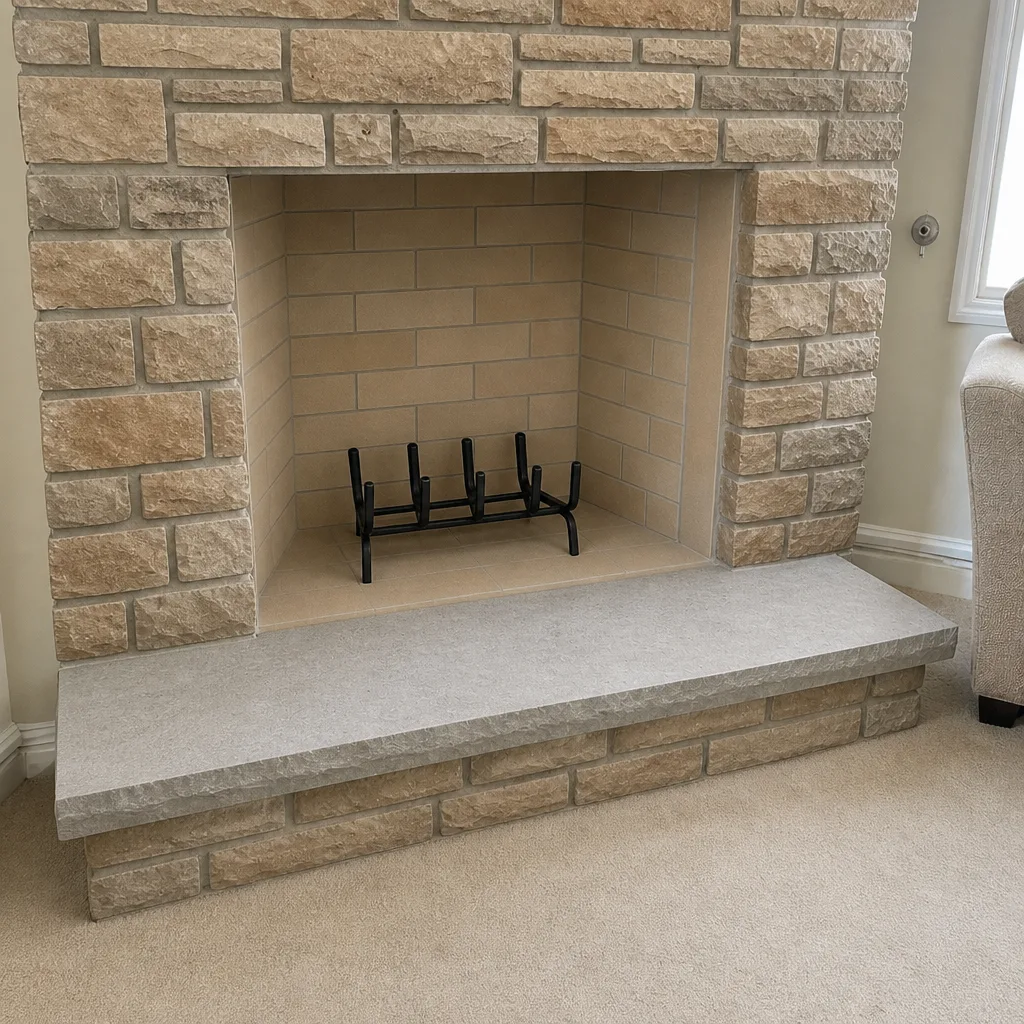
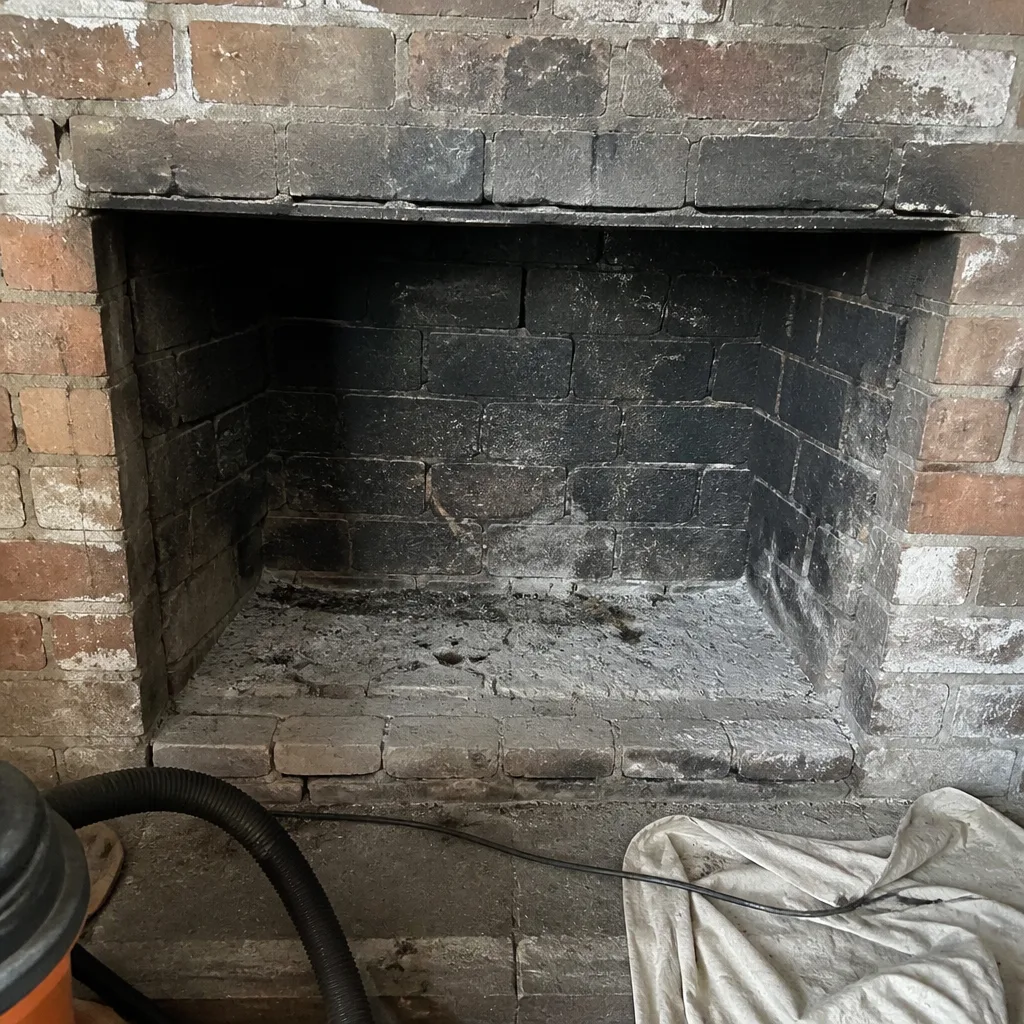
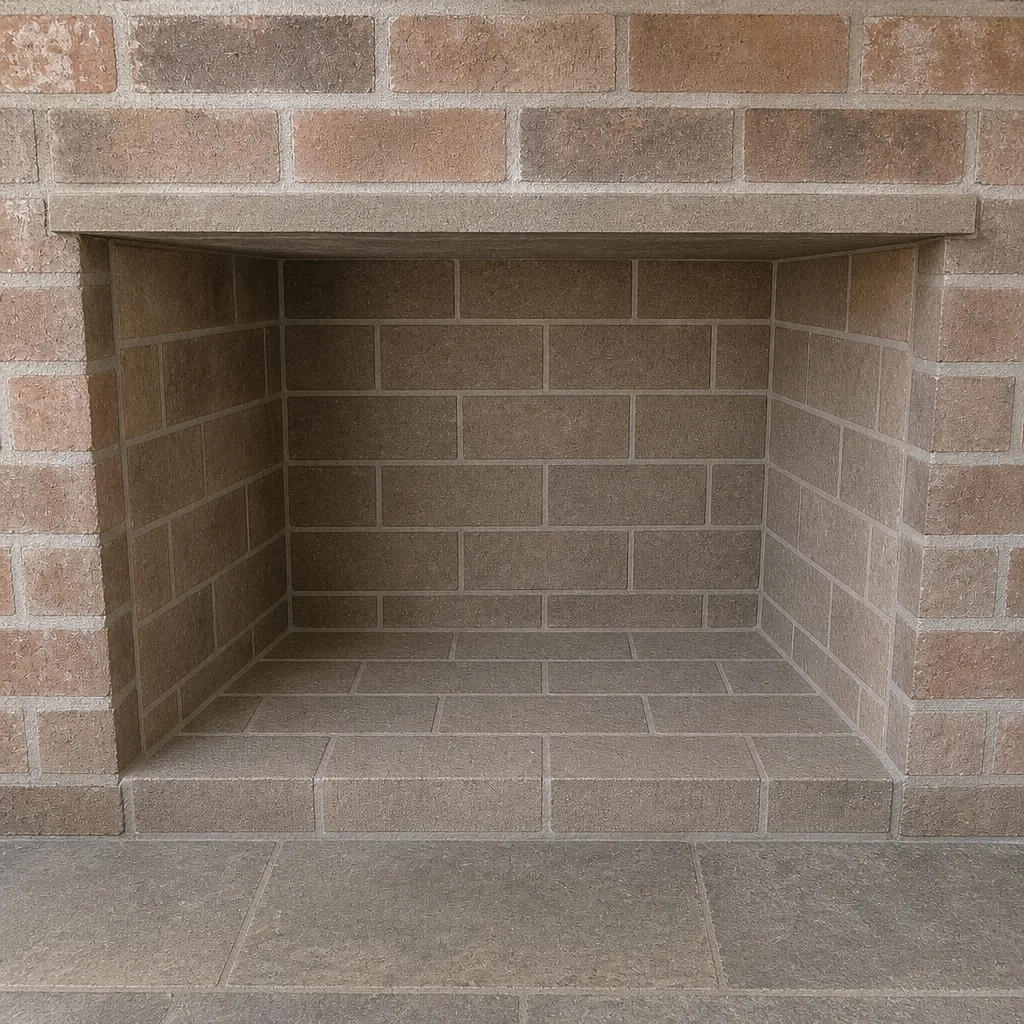
See the difference
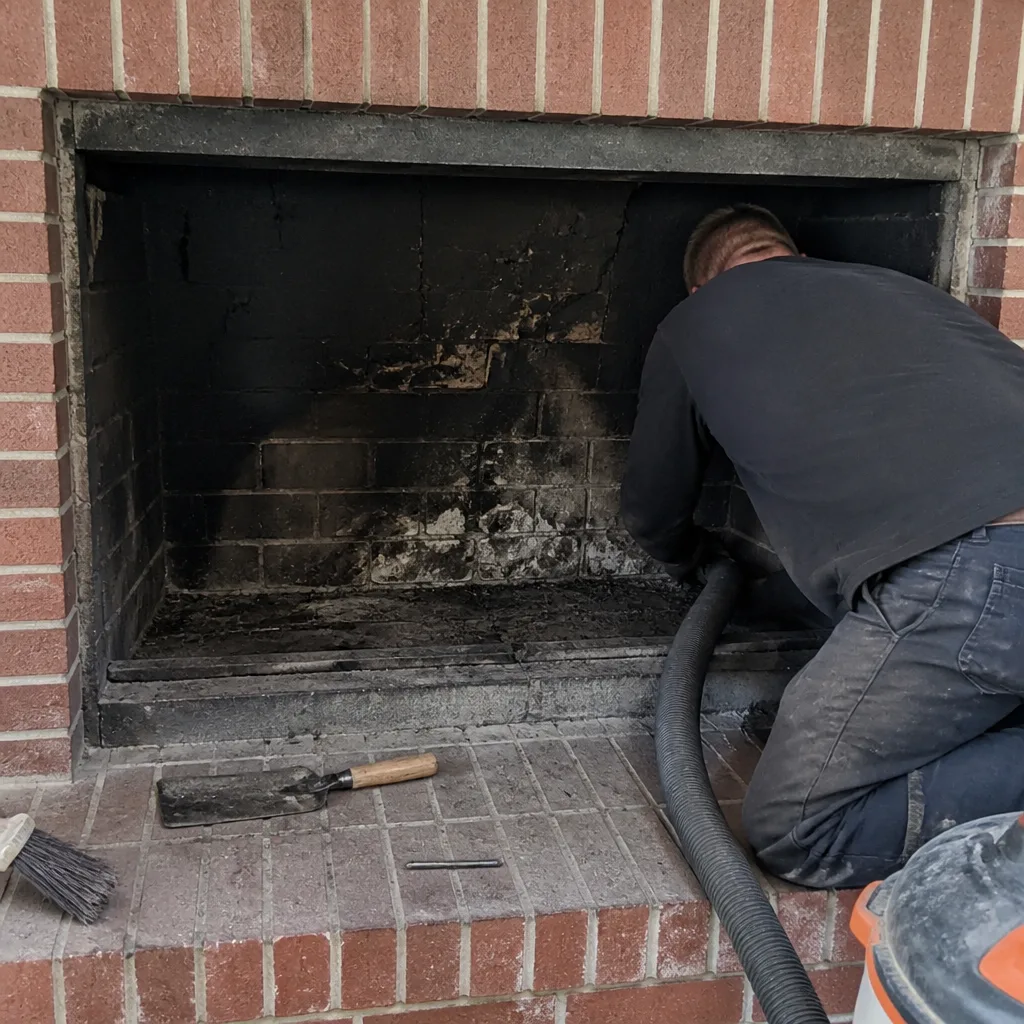 Before
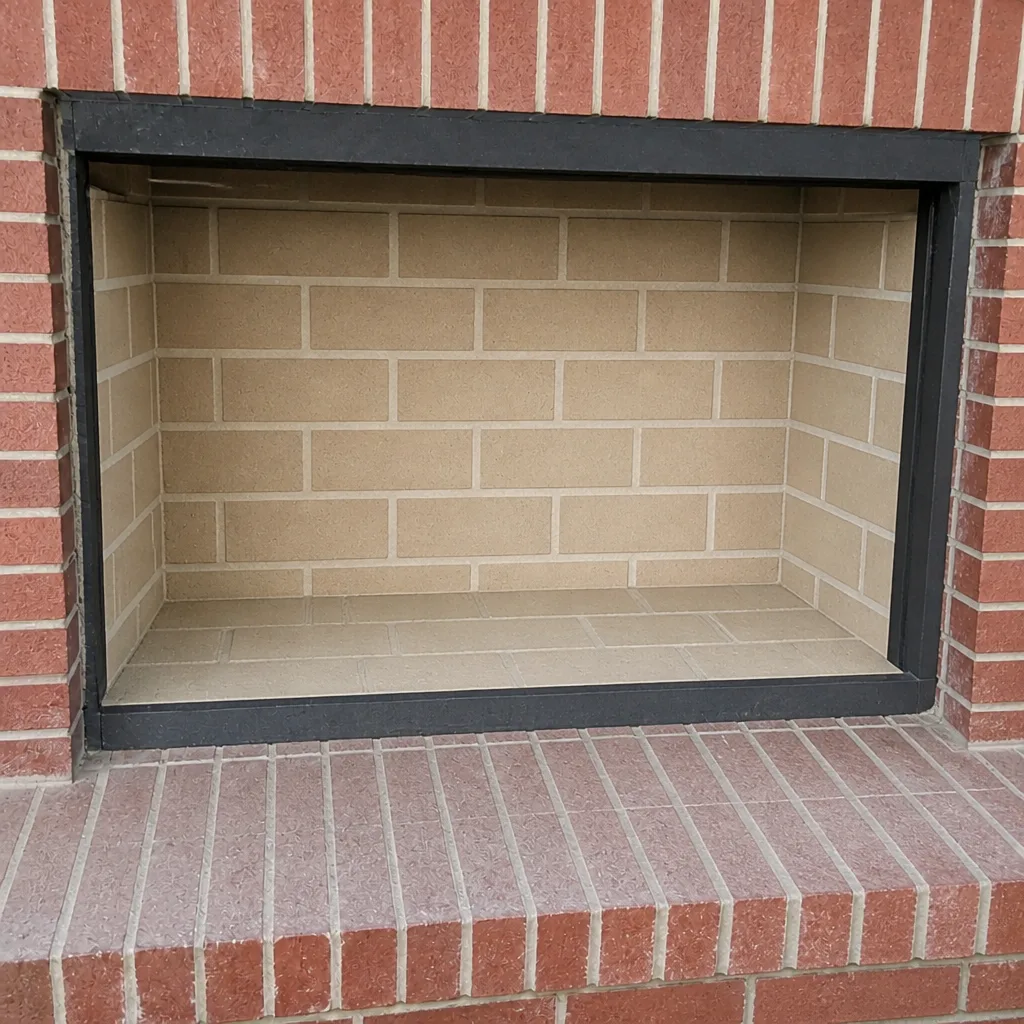 After
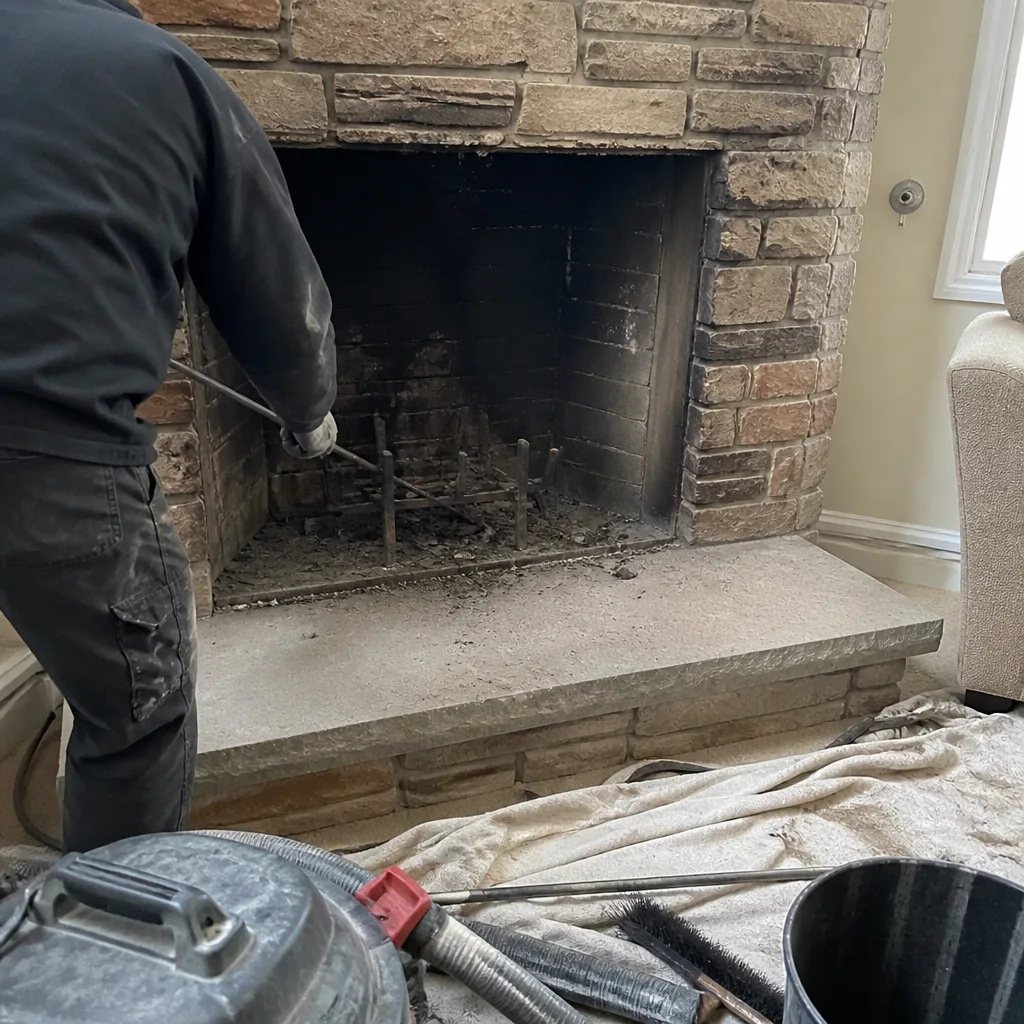 Before
 After
 Before
 After
When to Call a Professional
Some situations call for a booking rather than a decision. Call a qualified chimney technician if you burn wood regularly through the winter and haven’t had the flue inspected in the last season or two; if you’ve noticed smoke coming back into the room, soot stains around the firebox, or a strong creosote smell; if you can see crumbling mortar, a missing cap or a cracked crown from the ground; if you’ve just moved into an older Ogden home and don’t know the last sweep date; or if you’ve had a chimney fire, even a small one, since that’s an inspection item almost by definition. In each case, the goal is a camera report and a written estimate you can look at. Chimney Sweep Ogden offers free estimates in Ogden, and we inspect before recommending, so you can call (833) 918-6769 and see the evidence before you commit to anything.
Frequently Asked Questions
A routine chimney sweep in Ogden typically runs $180 to $350, with the written estimate confirming the final price before any work starts. Inspections may be included or quoted separately depending on the company, and any repair found during the visit is broken out so you can decide. Call (833) 918-6769 for an exact quote; estimates are free.
Utah does not require CSIA certification by law, but it’s the credential that actually indicates a trained, tested technician, so verify it anyway. Ask for the name of the certified technician who will perform the work, and confirm it’s not just the company’s name on a sticker. Call (833) 918-6769 to ask about credentials before booking.
No, and they’re not interchangeable. A cleaning removes soot and creosote; an inspection evaluates the condition of the flue, liner, cap, crown and components, ideally with camera evidence. The best contractors treat inspection as a standalone service you can book on its own, and we do the same. Call (833) 918-6769 to schedule an inspection.
For regular wood-burning use through the long Ogden heating season, an inspection each year and a sweep when buildup warrants are the right baseline. A fireplace used only occasionally may need less; heavier use, older masonry, and signs like creosote smell or smoke backdrafting call for a sooner look. Call (833) 918-6769 and we’ll help you set a realistic schedule.
Creosote builds up in the flue, and heavy glazed creosote can ignite, causing a chimney fire that may damage the liner without your noticing. A blocked or deteriorated flue can also create a carbon monoxide risk. Neither hazard shows up on its own, which is why inspection is the only reliable way to know. Call (833) 918-6769 to get yours checked.
It depends on the condition of the liner, which is why a camera inspection comes first. HeatShield ceramic resurfacing restores a damaged liner in some cases, while a full DuraFlex reline is the answer when the existing flue is too far gone. We recommend based on what the camera shows, and you see that evidence yourself. Call (833) 918-6769 for a free estimate.
Usually not. A price that undercuts the market tends to exclude the inspection that catches real problems, and the cheap rate is the entry point for an upsell you can’t evaluate. A fair quote is transparent about whether inspection is included. Call (833) 918-6769 to see how a clear, written estimate is built.
Licensing in Utah is verified through DOPL, the Division of Occupational and Professional Licensing, and you should check the company’s credential there yourself. A serious chimney contractor will also tell you whether the local pro carries liability insurance and workers’ compensation. When in doubt, ask before you book. Call (833) 918-6769 to ask about credentials.
The Bottom Line
Hiring a chimney sweep in Ogden is about verification, not luck. Confirm the CSIA certification with a name attached, check NFI for gas appliances, and look up the Utah license through DOPL. Ask about method, liner sizing and creosote treatment so you can spot a generalist. Read the written estimate carefully and reject vague language. And remember that the cheapest bid usually leaves out the inspection that prevents the expensive repair. A clean chimney is a safe chimney, and the contractor who shows you the camera evidence is the one worth keeping. If you want that done right, call (833) 918-6769 for a free estimate from Chimney Sweep Ogden. We answer 24/7, and fast dispatch runs from 7am to 7pm, Sunday through Friday.
Written by the team at Chimney Sweep Ogden.