
Last updated November 24, 2026
 Sweep & inspection
 Caps & crowns
 Flue relining
 Masonry repair
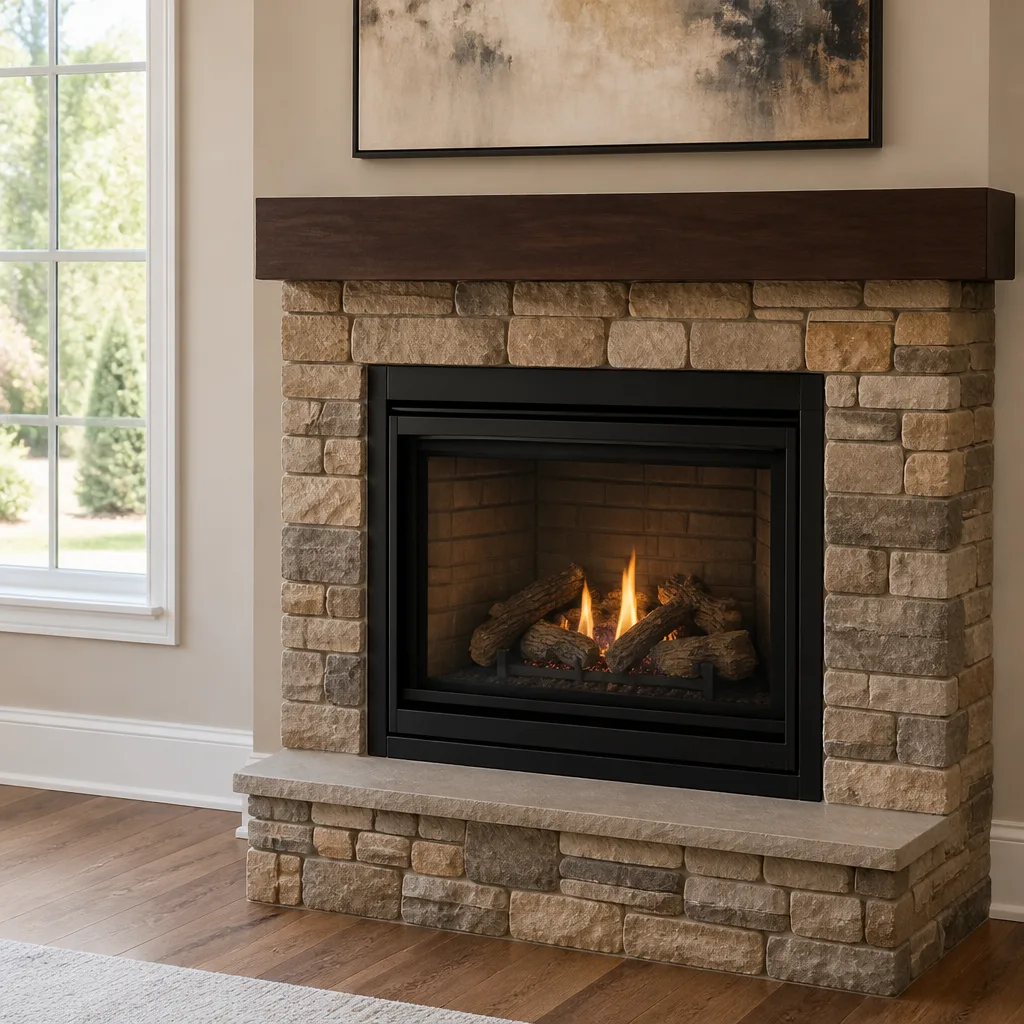 Gas fireplace service
Level 1 sweep and inspection to the NFPA 211 annual standard - flue, crown, cap, and flashing checked and photographed
Chimney sweep logs do not sweep chimneys. They loosen some creosote - which then falls where a brush and vacuum still have to collect it.
Seasonal Chimney Cleaning Care for Ogden: Year-Round Homeowner’s Guide
Most homeowners treat chimney care as a fall chore, something to tick off right before the first fire. In Ogden, that habit quietly costs people money. Spring is actually when the most chimney damage happens here, and it has nothing to do with burning. Freeze-thaw cycles through March and April work moisture into hairline crown cracks that opened over winter, and by the time fall arrives a minor fissure has become a structural failure. This guide walks through a full four-season calendar for your chimney and fireplace, with the specific tasks, inspection timing, and warning signs that matter in Ogden’s valley climate.
Quick Answer
In Ogden, chimney care runs on a four-season cycle, not a single pre-winter sweep. Schedule a post-season cleaning in spring before creosote hardens in summer heat, inspect the crown and flashing after snowmelt, check the cap and screen after nesting season in summer, book your pre-season inspection before the fall rush, and monitor the crown for ice damming through winter. The right materials for the job, from professional-grade liner and sealant systems, matter at every stage.
Styles & brands we work with
- Sweep & inspection
- Caps & crowns
- Flue relining
- Masonry repair
- Gas fireplace service
Table of Contents
- Why Ogden’s Climate Demands a Year-Round Approach
- Spring: Where the Real Damage Happens
- Summer: Cap, Screen, and the Fall Booking Window
- Fall: Pre-Season Inspection and Burn Advisories
- Winter: Ice Damming and Cold Flue Syndrome
- How Ogden Valley Conditions Change the Rules
- Common Mistakes to Avoid
- Frequently Asked Questions
Why Ogden’s Climate Demands a Year-Round Approach
Ogden sits in a valley where seasons arrive with real force. Winters bring snow and repeated freeze-thaw cycles. Springs are wet, with snowmelt and rain hitting masonry that spent months holding moisture. Summers run hot and dry enough to bake creosote onto flue walls. Falls are short, which means the window to prepare before burning season is tighter than in milder climates.
Each of those phases stresses a different part of your chimney system. Winter tests the crown and masonry. Spring tests the flashing and firebox seals. Summer tests creosote and the liner. Fall tests airflow and draft. Treating chimney care as a single appointment means you’re solving last season’s problem. Treating it as a calendar means you catch damage while it’s still a cheap fix.
Ogden’s older housing stock around the East Bench and along the Avenues amplifies this. Masonry chimneys built decades ago weren’t sealed to modern standards, so they take on moisture more readily. Hairline cracks in a clay crown can travel through a whole freeze-thaw season and open into gaps water pours through. That’s why we inspect before we recommend. A sweep is the start, not the whole answer.
If you’ve recently bought a home in Ogden, this calendar is especially important. A prior owner may have burned for years without a cleaning, and the first thing you’ll want is a professional chimney sweep and inspection before you light a fire, so you know what you actually own.
Spring: Where the Real Damage Happens
The counterintuitive truth about Ogden chimneys: spring is the most damaging season. It’s not about fire at all. Repeated thawing and refreezing pulls moisture into every small opening, then expands it on the next freeze. Crown cracks, mortar joints, and flashing edges all take the hit.
Here’s what to inspect and schedule in spring:
- Inspect the crown after the last freeze. Look for widening cracks, spalling concrete, or a crown that’s pulling away from the flue. A crack that was a hairline in fall can be a structural opening by April.
- Check for moisture intrusion in the firebox. After snowmelt, look for rust-colored staining, efflorescence (white powdery residue), or damp mortar in the firebox. Those point to water getting past the crown or flashing.
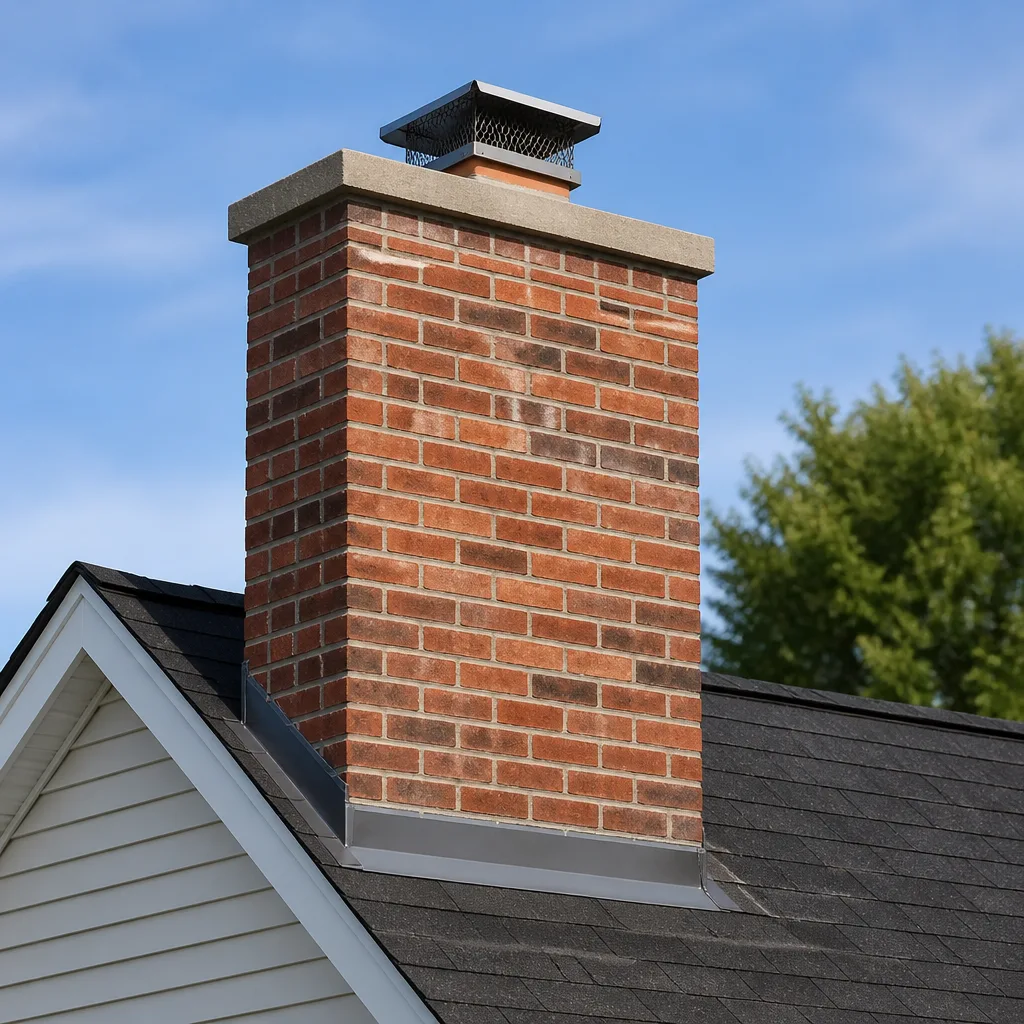
- Inspect flashing at the roofline. Meltwater is relentless. Lifted or failed flashing sends water straight into the chimney chase.
- Schedule your post-season cleaning. Creosote left in the flue all winter thickens as humidity rises in spring and can turn glazed and much harder to remove once summer heat bakes it on. Cleaning in spring, before summer, keeps it manageable.
- Schedule the crown repair if needed. Spring and early summer are the right window for crown work. The materials need stable temperatures to cure properly.
One word of caution: if you spot damaged mortar or a cracked crown, don’t climb up and try to patch it yourself. Chimney exteriors are steep, and working on a sloped roof next to an open flue is a fall hazard. That’s work for a trained technician with the right equipment.
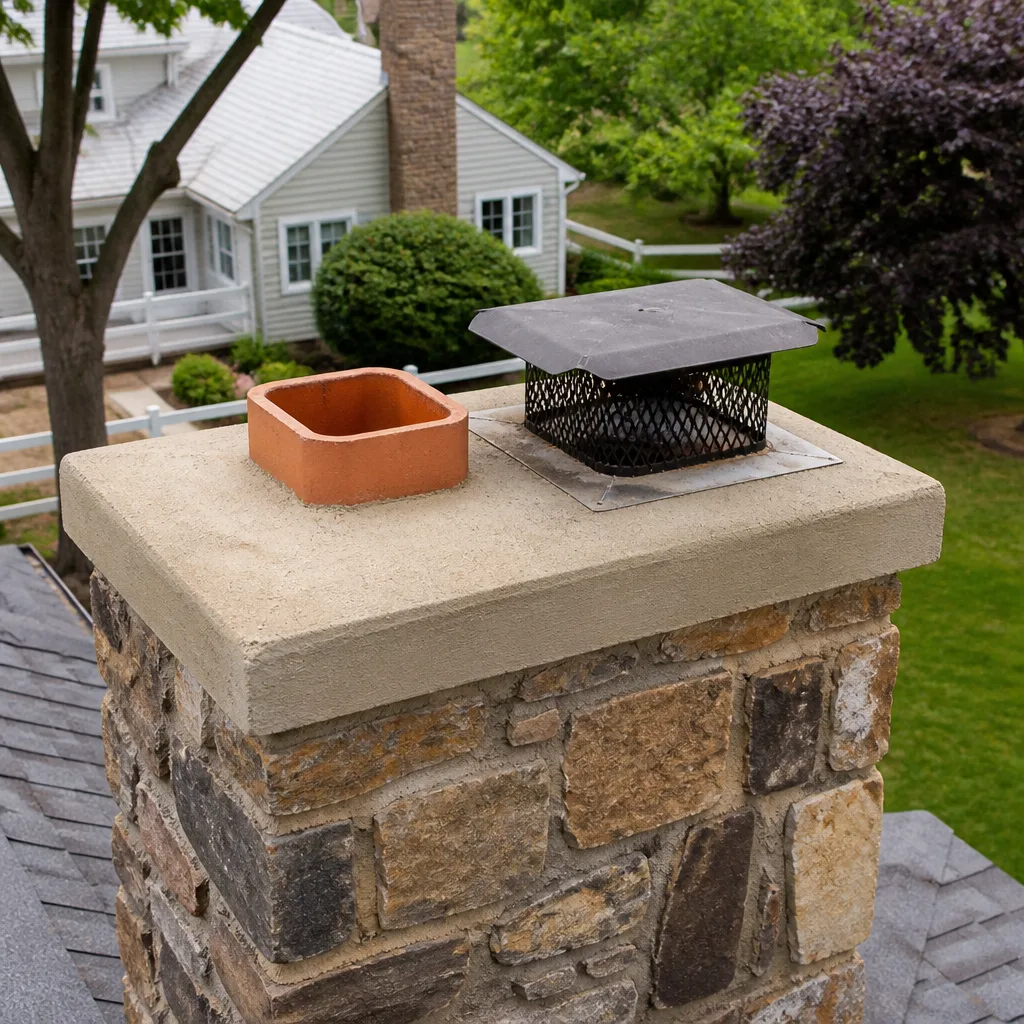
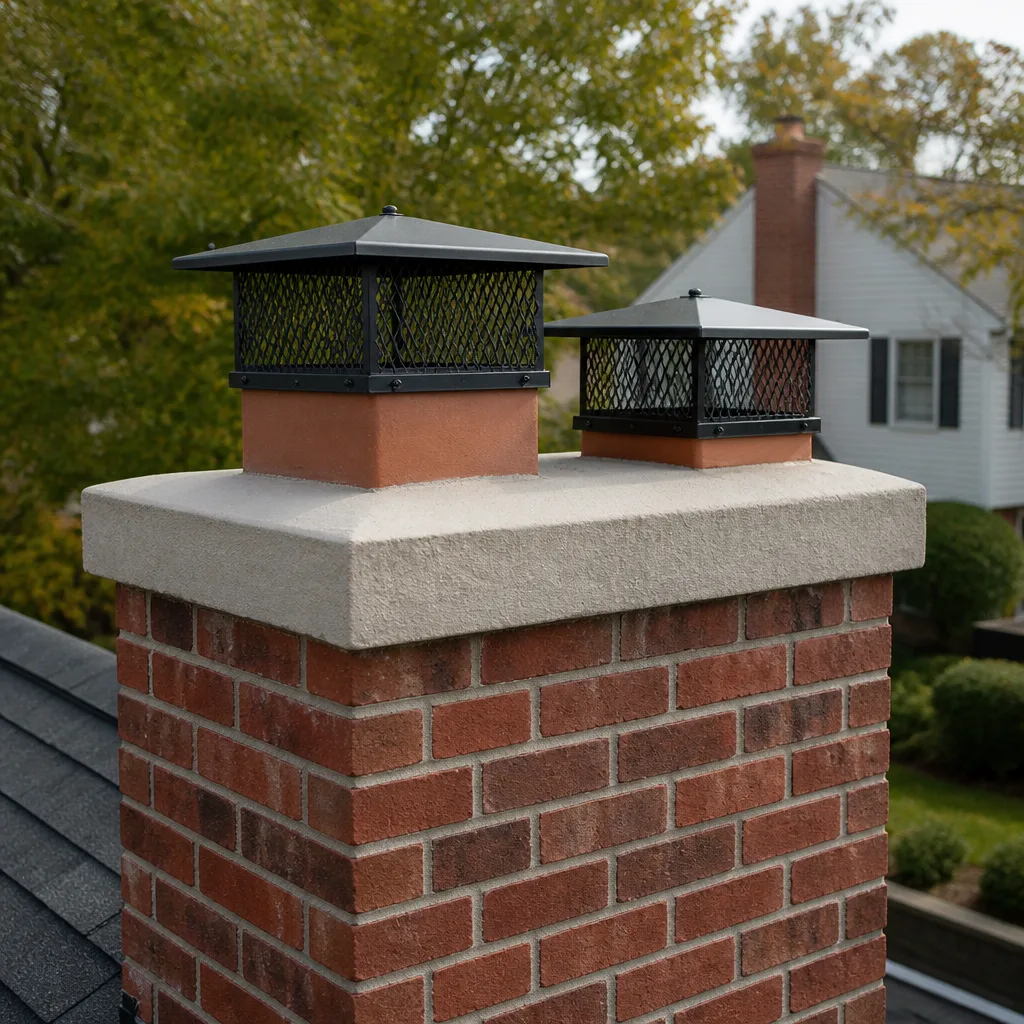
If you need crown work or a damaged cap replaced, our chimney cap & crown service handles manufacturer-sourced components, not jobsite fabrications, so the repair holds through the next freeze-thaw march.
Summer: Cap, Screen, and the Fall Booking Window
Summer is the season for the parts of your chimney you share with wildlife and weather. While you’re not burning, birds, squirrels, and debris are busy. The cap and screen are your first line of defense, and they deserve a close look before fall.
Summer tasks worth putting on the calendar:
- Inspect the cap and spark screen. Nesting season is over, so this is the time to check for material packed into the screen or a cap that’s rusted, dented, or tilted. A blocked screen restricts draft and lets smoke back up.
- Check the screen mesh for wear. A torn screen is an open door for birds and squirrels to build inside the flue.
- Apply waterproofing in the right window. Masonry sealant needs dry, moderate temperatures to cure. Mid to late summer, before the wet fall, is that window in Ogden.
- Book your fall sweep early. The October rush is real. Homeowners who call in August and September get the dates they want; those who wait can end up squeezing in a sweep the week before the first cold snap.
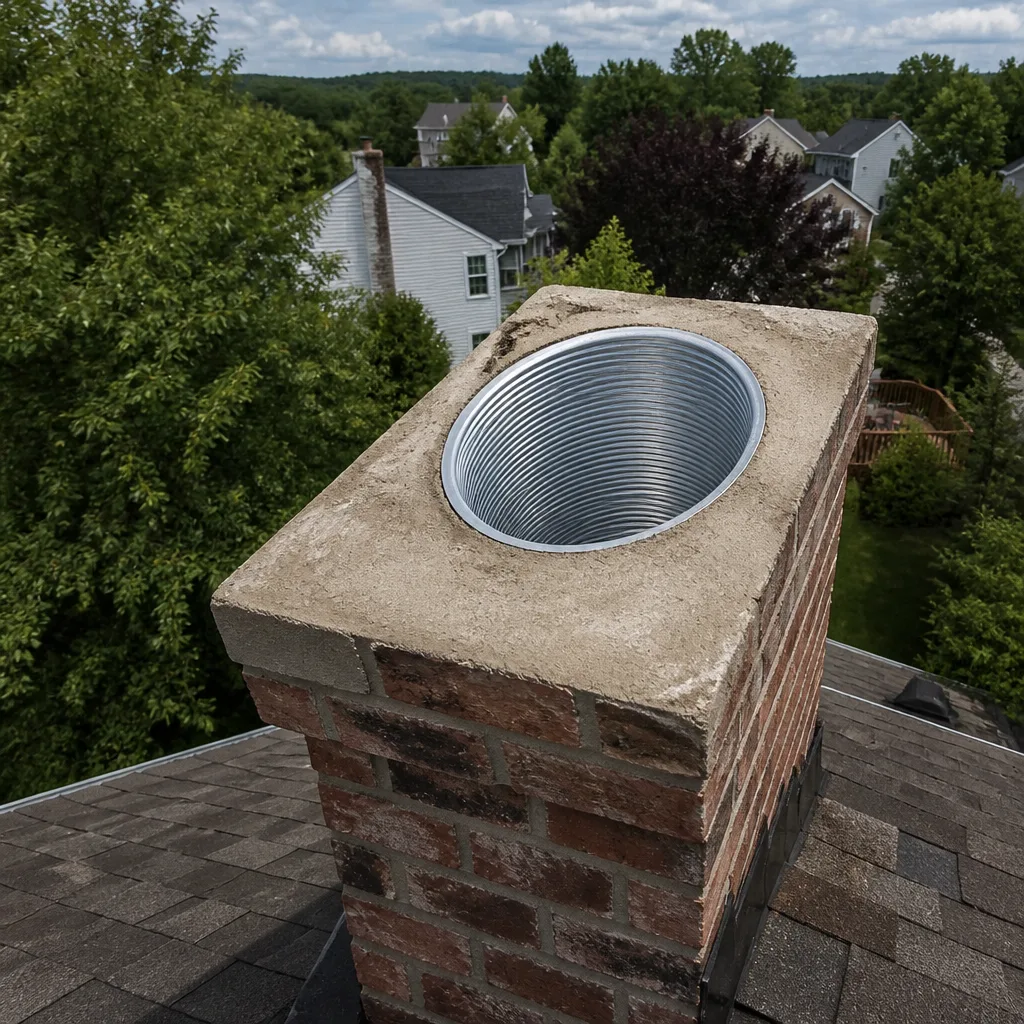
- Inspect the liner. If the flue has cracks or gaps, summer heat and any moisture that got in can finish off a failing clay liner. We use HeatShield ceramic resurfacing to restore damaged liners that would otherwise need full replacement, and DuraFlex liner systems for a complete relining job.
Summer inspections are also the easiest time to catch a failing liner before it becomes a safety problem. A damaged liner lets heat and gases reach combustible parts of your house, so this is one element to take seriously.
Fall: Pre-Season Inspection and Burn Advisories
Fall is the last clear window before the burn season, and in Ogden it’s short. The cold comes on fast, and the pre-season inspection needs to happen before the first fire, not after.
A typical pre-season fall routine looks like this:
- Schedule the inspection before you burn. Your inspector checks the flue, crown, cap, damper, and firebox, and confirms the liner is intact. This is the moment to catch anything left over from summer or spring.
- Test the damper. Open and close it fully several times before the first fire. A damper stuck open wastes heat and a stuck-closed damper sends smoke into the room.
- Check the smoke chamber and shelf. These areas collect soot and debris. A clean smoke chamber means a cleaner draft once you start burning.
- Confirm the cap is secure. Fall winds and early snow load can shift a loose cap. It should be fully seated.
- Mind the burn advisories. Ogden runs air-quality advisories during inversions, which can restrict wood burning on certain days. A sweep appointment is separate from burning, but the advisory calendar does affect how often you’ll actually run your fireplace in fall and winter.
Watch for the smoke spillback sign: smoke drifting into the room instead of going up the flue. That’s a draft or airflow restriction indicator, and it’s worth having checked before you load the firebox again.
If your fall inspection flags a problem with the firebox, our fireplace repair service covers the parts of the system from grate to flue. One specialist handles the whole job, so you’re not juggling a sweep, a mason, and a roofer.
Winter: Ice Damming and Cold Flue Syndrome
Winter is the season most homeowners think about chimney care, but the priorities are different than most expect. Your chimney is working hard, and the two problems that matter most in Ogden are ice damming and cold flue syndrome.
Ice damming at the crown. Snow accumulates on the crown and flashing, melts from heat loss, and refreezes into a dam. That dam pushes meltwater back under shingles and against the crown edges. Left alone, ice damming repeats the freeze-thaw damage from spring, only faster. Watch for icicles forming along the roofline near the chimney, water stains on the ceiling near the flue, or snow that stays put on the crown while the rest of the roof clears.
Cold flue syndrome. Ogden Valley winters are cold, and a cold flue drafts poorly. The fireplace comes on, and within a few minutes smoke pushes back into the room because the cold column of air in the flue hasn’t warmed enough to pull upward. Signs include a puff of smoke on ignition, a persistent smoky smell in the room, and a fire that struggles to light or sputters.
What to do in winter:
- Watch the crown and flashing for ice buildup through the season, and note where it recurs.
- If smoke spills back, open a nearby window a crack to help draft, and note the behavior so your spring inspection can address the underlying cause.
- Keep your annual cleaning on schedule, and if you burn heavily, don’t skip a midseason check.
- Avoid patching or clearing ice from the crown yourself. Wet, icy rooflines are a serious slip hazard.
If smoke spillback happens every time you light a fire, that’s a sign to get the flue inspected, not to keep opening windows. It usually points to a draft restriction or a liner or cap issue that we can trace with a camera.
How Ogden Valley Conditions Change the Rules
Ogden’s location puts the city at the base of the Wasatch, and the valley conditions genuinely shift how your chimney behaves. The two biggest effects are inversions and temperature swings.
Inversions and burn advisories. During winter inversions, cold air traps warmer air and pollution near the ground. That’s when burning restrictions expand, so your actual burn frequency in Ogden can vary a lot season to season. Fewer burning days means less creosote, but every cold snap that ends an inversion still drives a surge in use.
Temperature swings. The freeze-thaw cycle in Ogden is aggressive because daily highs and lows can swing widely in early spring and late fall. That swing is what stresses masonry. A chimney in a steadier climate can get away with less frequent crown maintenance; here, the crown and flashing need a yearly look.
Housing stock. Homes near the Ogden Valley foothills and in older Ogden neighborhoods often have original masonry chimneys that were built before modern liner and cap standards. For those, Gelco and Olympia Chimney components are a common upgrade for caps and crown work, giving you professionally sourced parts rather than a fabricated patch.
Snow load and wind. Winter wind and snow can be uneven across a roof, and the chimney is often the tallest point. That makes a well-seated cap and properly flashed crown even more important in Ogden.
None of this is guesswork. We inspect before we recommend, with a camera in the flue and a photo report you can see for yourself, so you’re not taking our word that a repair is needed.
Common Mistakes to Avoid
- Treating chimney care as a single fall appointment. In Ogden’s four-season climate, one sweep a year misses the spring crown damage and the summer cap problems that show up before the pre-season rush.
- Waiting until the first cold snap to book a sweep. The October rush fills up fast, and a last-minute sweep can mean a rushed job. Book in late summer to get the timing you want.
- Ignoring a hairline crown crack. A hairline crack in fall is often a structural opening by spring after freeze-thaw. Get it inspected, not filed away.
- Assuming the flue is fine because the fire burns. A fire can burn with a cracked liner quietly letting gases into the chimney chase. Only an inspection with a camera catches that.
- Letting a general handyman or roofer touch the chimney. Chimney work is its own specialty, and a multi-trade contractor may patch what a specialist would have found the root cause of.
- Skipping the post-season cleaning. Creosote left in the flue all summer thickens and turns glazed, which makes the next cleaning harder and costlier.
- Patching over a bad crown instead of fixing it. A cosmetic patch fails the first good freeze. Proper crown work with manufacturer-sourced materials holds through the next winter.
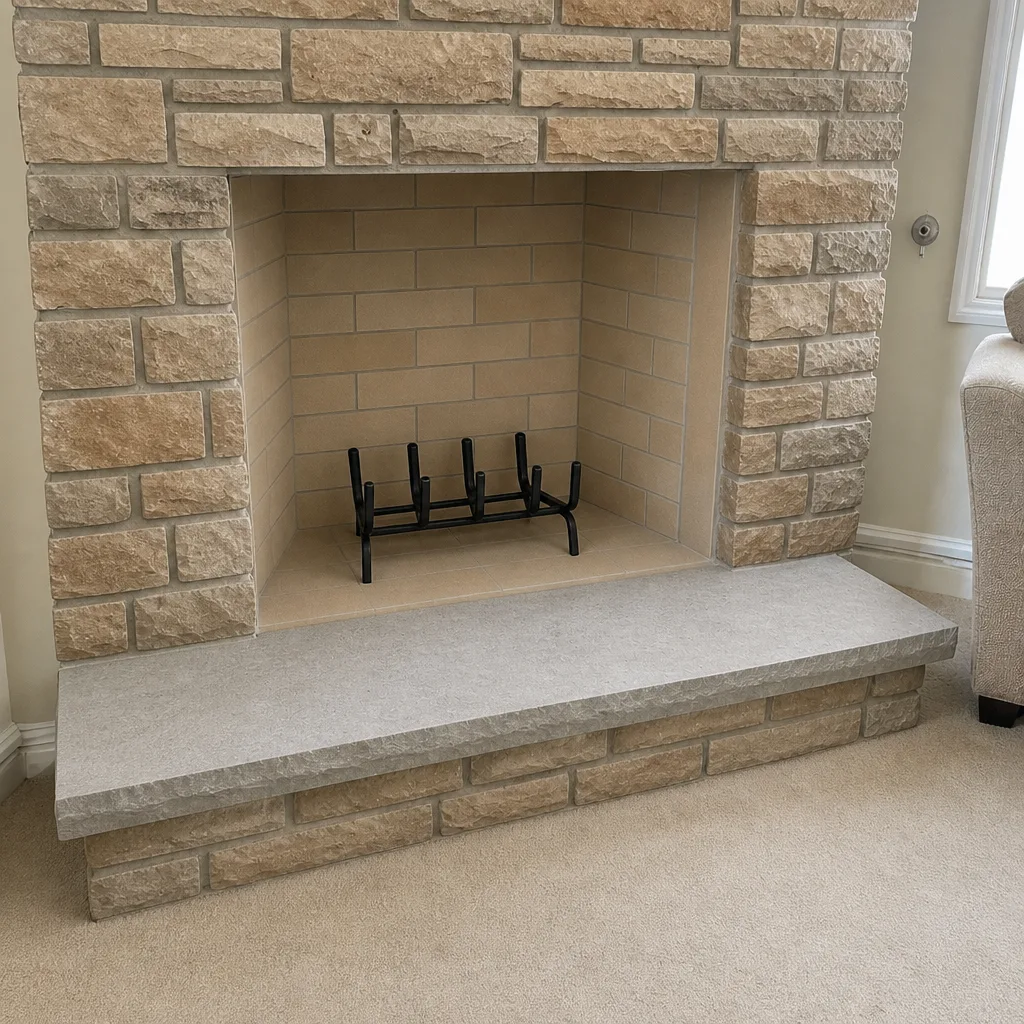
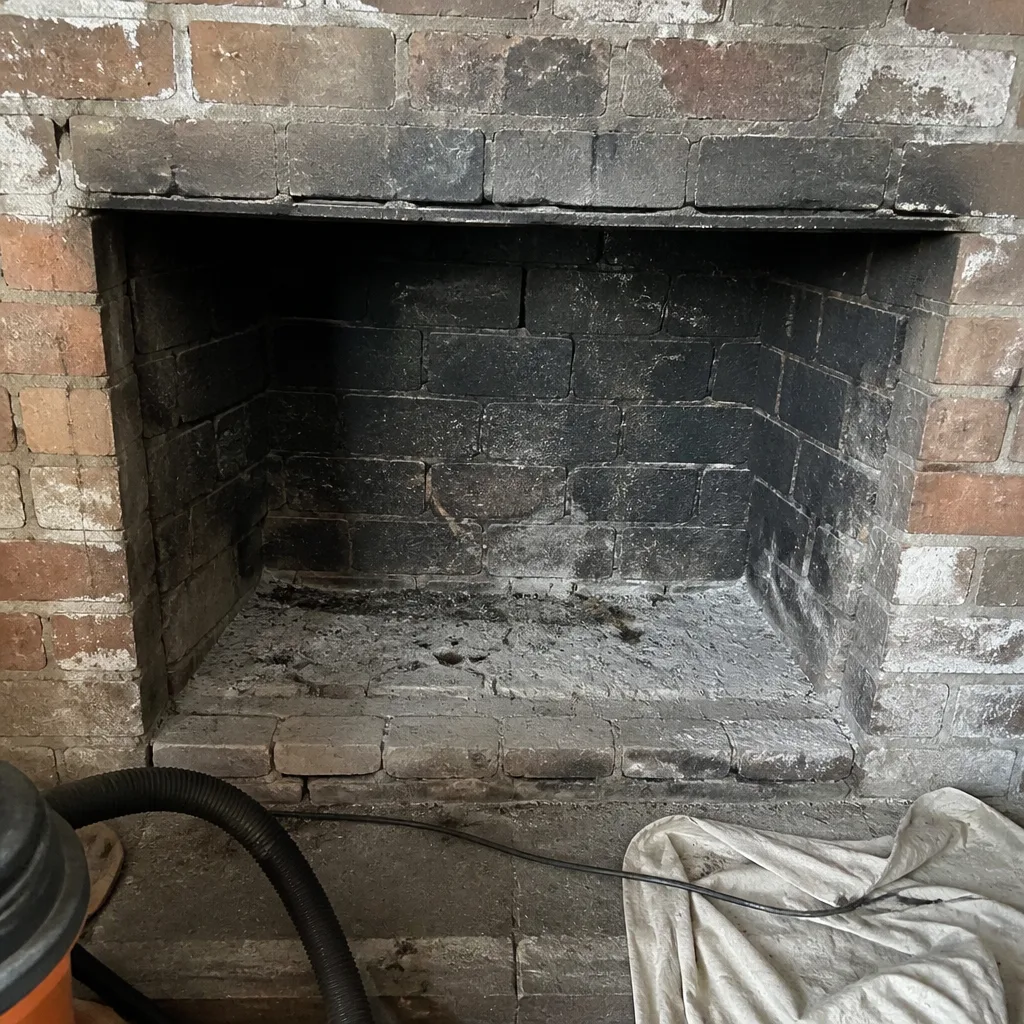
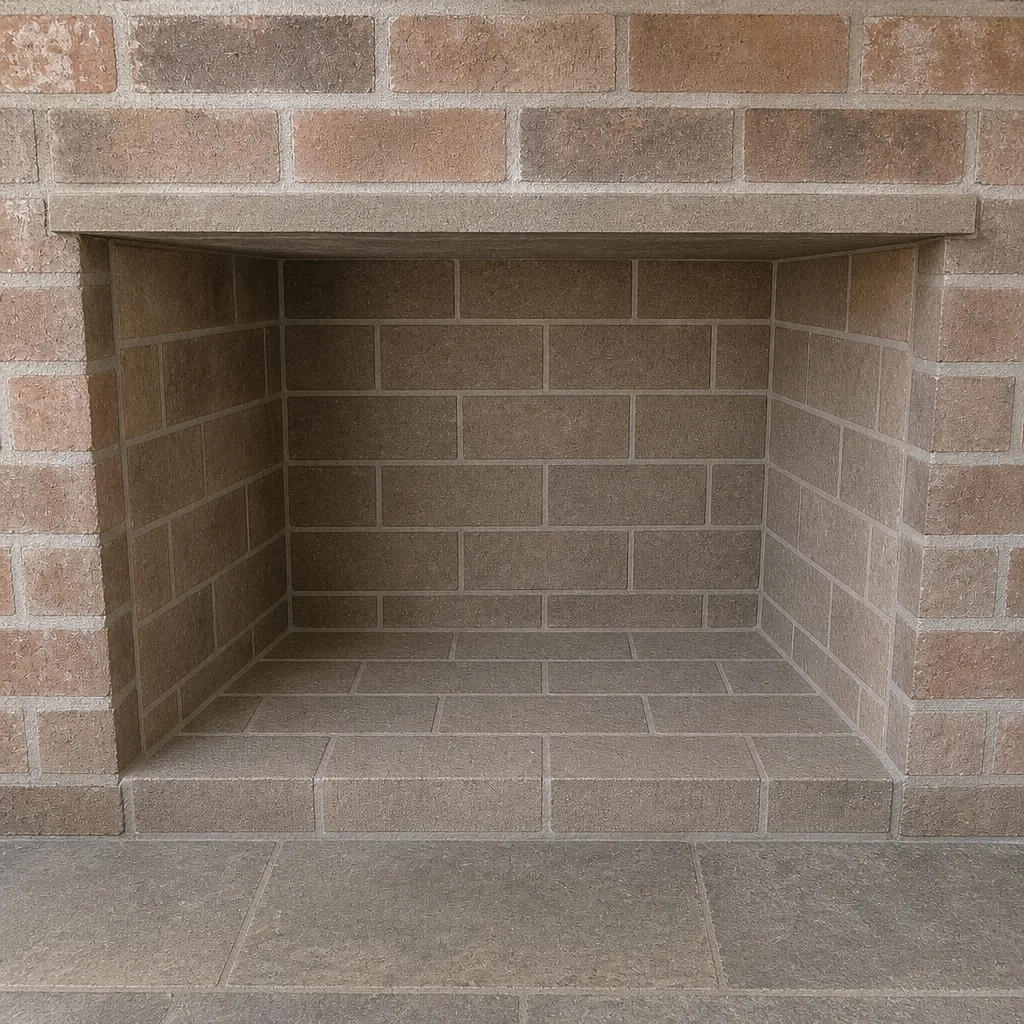
See the difference
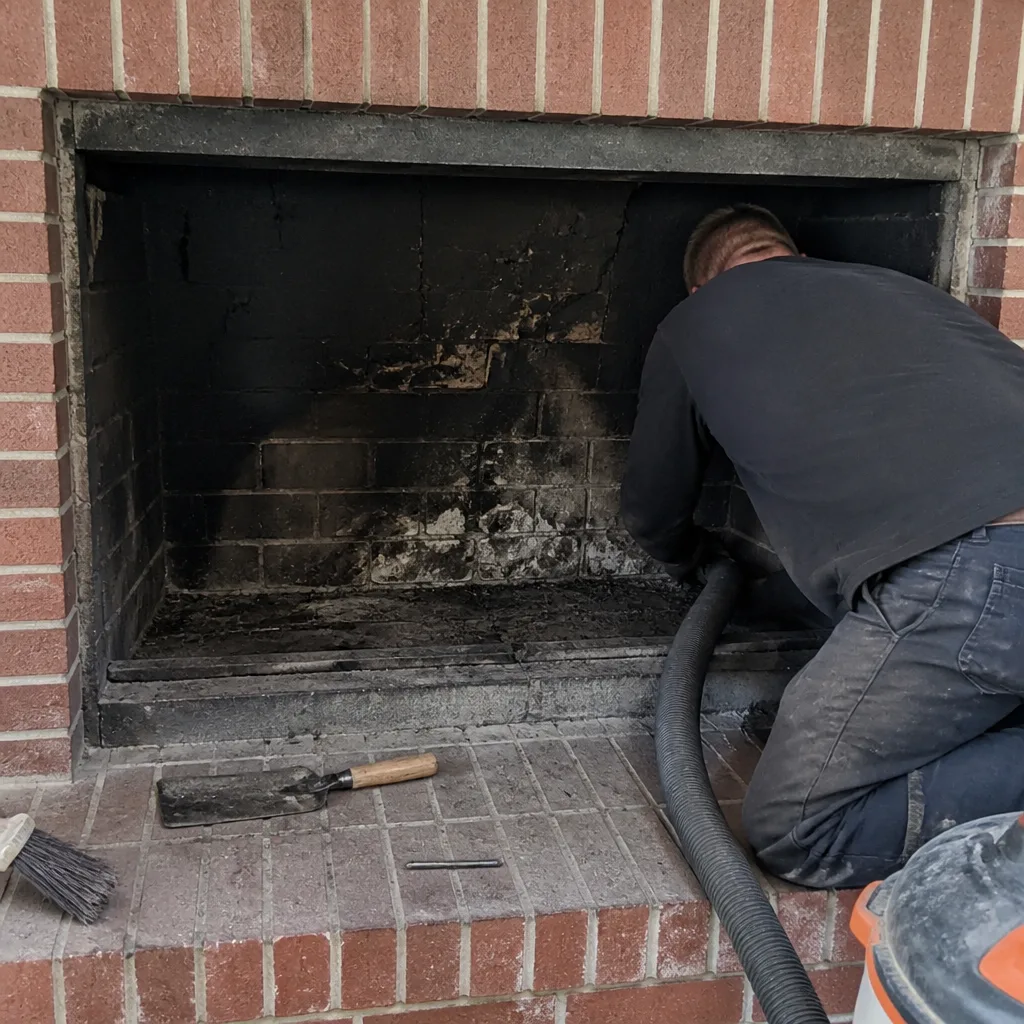 Before
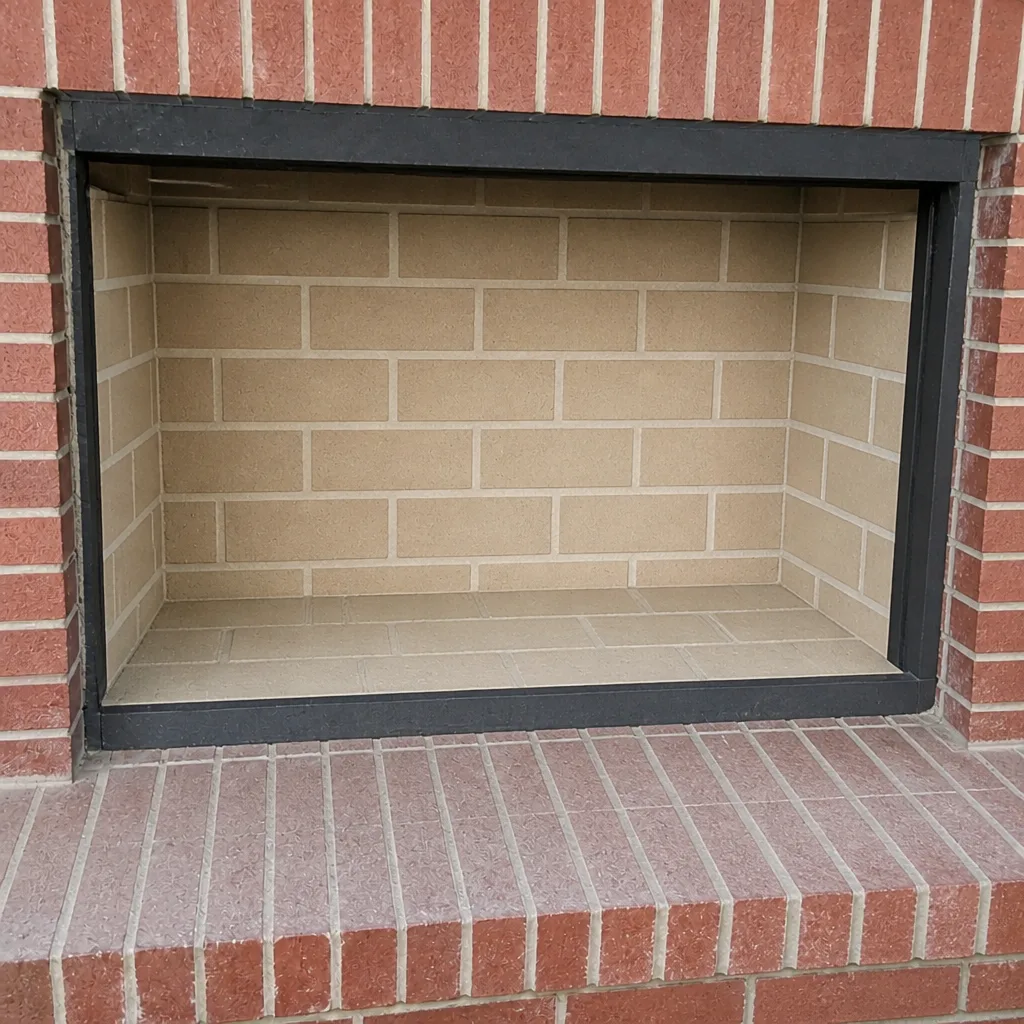 After
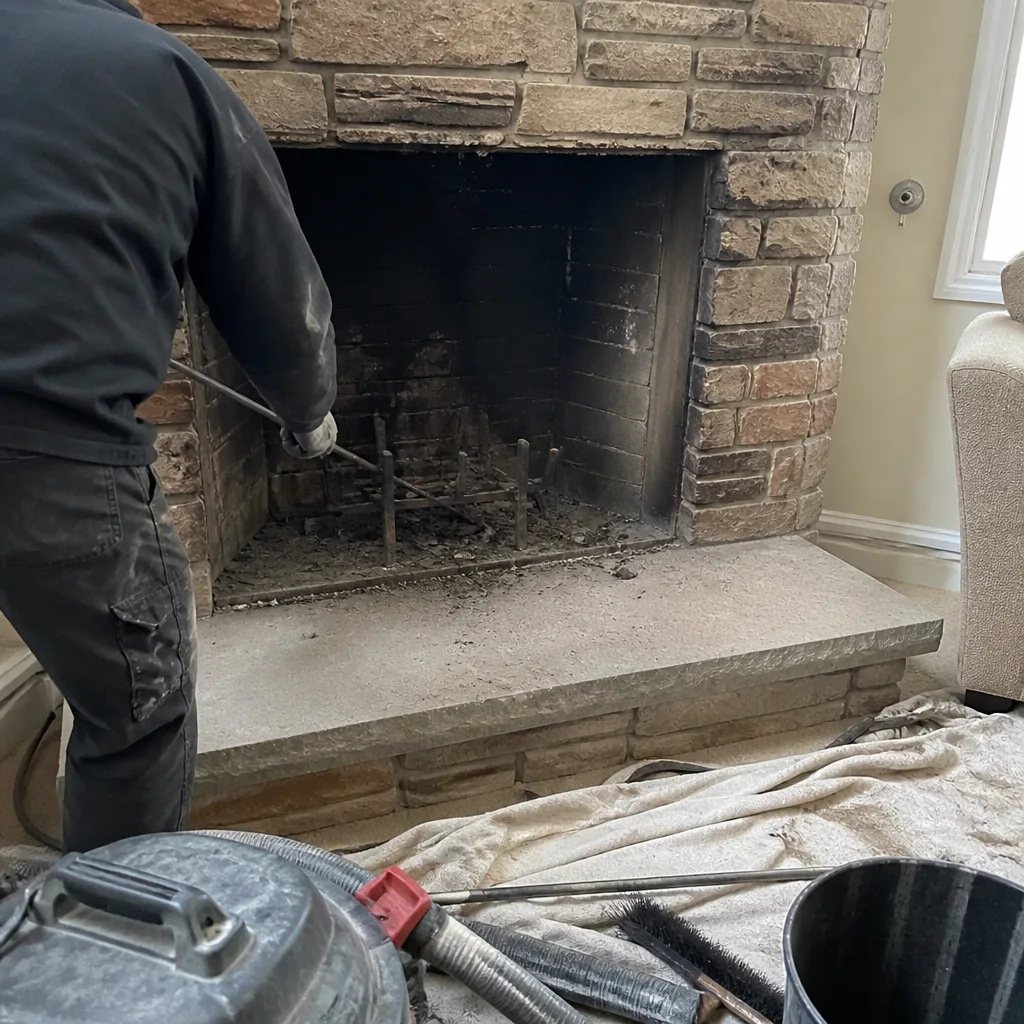 Before
 After
 Before
 After
When to Call a Professional
Some chimney care is routine, and some needs a trained eye. Call a professional if you see cracking or spalling on the crown, damp or stained mortar in the firebox after snowmelt, a cap that’s loose or missing, smoke that spills into the room when you light a fire, or a persistent smoky smell even when the fireplace is off. Those point to problems a camera inspection should confirm. Also call if you’ve just bought a home in Ogden and don’t know the last time the chimney was cleaned, or if it’s been more than a year. We inspect before we recommend, and if the work can safely wait until next season, we’ll say so. Chimney Sweep Ogden offers free estimates in Ogden. Call (833) 918-6769. We answer 24/7. Fast dispatch from 7am to 7pm, Sunday through Friday.
Frequently Asked Questions
Most Ogden chimneys should be swept once a year, and more often if you burn heavily through the winter. The best time is spring, right after the burn season ends and before summer heat bakes creosote onto the flue walls. If you burn wood regularly, a yearly spring sweep plus a fall inspection keeps the system on track. Call (833) 918-6769 for an exact quote. Estimates are free.
Not always. A liner only needs replacing when the camera inspection shows cracks, gaps, or a failed clay liner that lets heat reach combustible parts of your home. In many cases, HeatShield ceramic resurfacing restores a damaged liner without full replacement. We show you the camera evidence so you can see the problem for yourself before deciding. Call (833) 918-6769 for an exact quote. Estimates are free.
Creosote builds up in the flue and, over time, can ignite into a chimney fire or restrict draft enough to cause smoke spillback. In Ogden, the added freeze-thaw stress means skipping a year also lets crown and flashing damage go unnoticed. A cleaning is the check that catches both problems while they’re still small. Call (833) 918-6769 for an exact quote. Estimates are free.
Smoke spillback in winter is usually cold flue syndrome: the flue is cold and hasn’t warmed enough to pull smoke upward. It can also point to a blocked cap or screen, or a draft restriction. Opening a window a crack helps temporarily, but the underlying cause should be checked before it becomes a pattern. Call (833) 918-6769 for an exact quote. Estimates are free.
You can look at the crown from the ground with binoculars, but getting up on the roof to inspect it closely is genuinely dangerous, especially with snow or ice present. A trained technician has the equipment and experience to inspect the crown, flashing, and cap safely. Call (833) 918-6769 for an exact quote. Estimates are free.
The core tasks are the same, but valley conditions are colder and the freeze-thaw swing is sharper. That makes crown and flashing inspection more important, and cold flue syndrome more likely. If you’re in the valley, plan your spring inspection early and keep an eye on ice buildup at the crown through winter. Call (833) 918-6769 for an exact quote. Estimates are free.
Key Takeaways
- Ogden chimney care runs on a four-season cycle: spring cleaning and crown check, summer cap and liner review, fall pre-season inspection, winter ice and draft watch.
- Spring is when the most damage happens here, from freeze-thaw working moisture into crown cracks.
- Book your fall sweep in late summer to avoid the October rush.
- Smoke spillback in winter is usually cold flue syndrome, and it’s worth a professional look.
- Inspect before you recommend: camera evidence and a photo report show you what actually needs fixing.
The Bottom Line
Ogden’s four seasons each stress a different part of your chimney, and the calendar that treats them as one pre-winter chore misses the damage that happens the rest of the year. Spring cleaning and crown inspection, summer cap and liner review, fall pre-season timing, and winter ice and draft checks keep the whole system healthy, not just ready for the first fire. Our technicians have up to 9 years of experience, we work with professional-grade systems from DuraFlex, HeatShield, Gelco, and Olympia Chimney, and we show you the evidence before we recommend anything. When you’re ready, call (833) 918-6769 for a free estimate. We answer 24/7. Fast dispatch from 7am to 7pm, Sunday through Friday.
Written by the team at Chimney Sweep Ogden.