
Last updated November 24, 2026
 Sweep & inspection
 Caps & crowns
 Flue relining
 Masonry repair
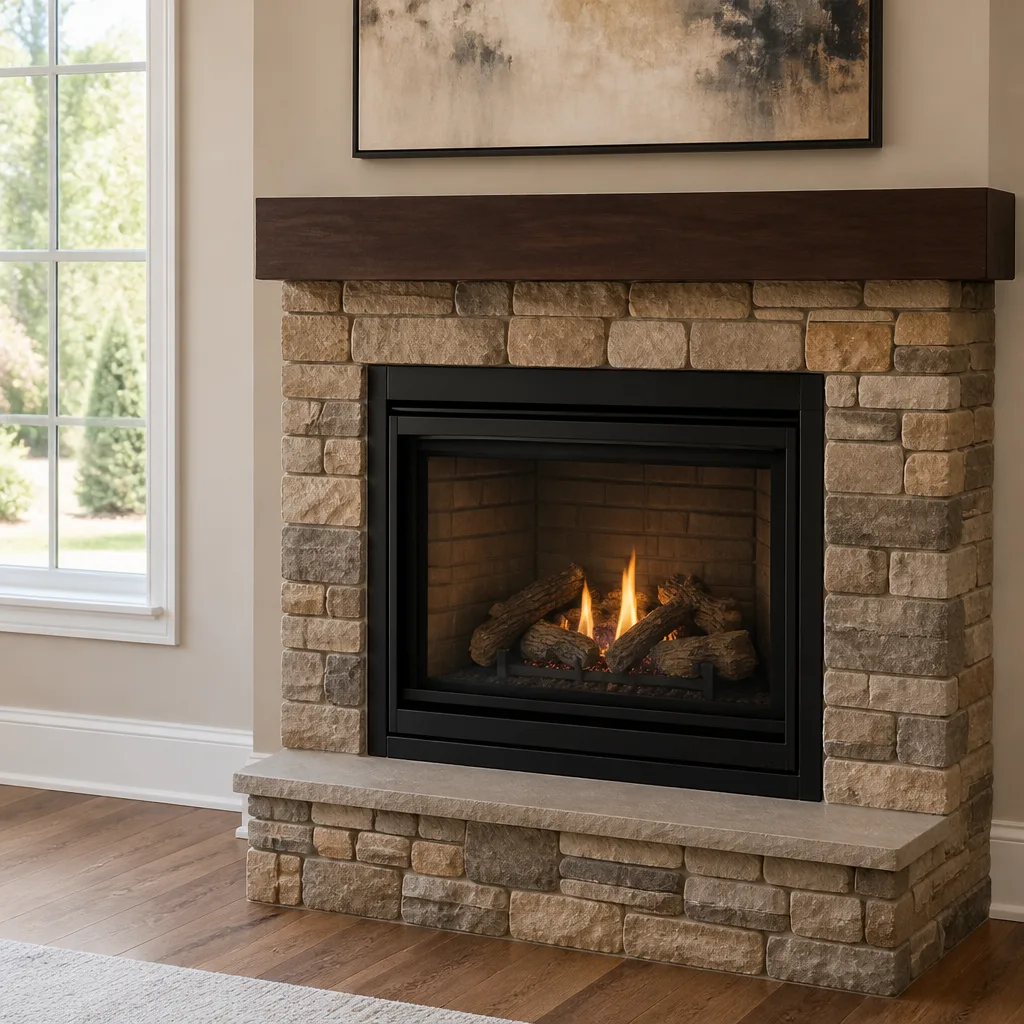 Gas fireplace service
Level 1 sweep and inspection to the NFPA 211 annual standard - flue, crown, cap, and flashing checked and photographed
Chimney sweep logs do not sweep chimneys. They loosen some creosote - which then falls where a brush and vacuum still have to collect it.
Chimney Cleaning Emergency Preparedness Guide for Ogden Homes
Most people picture a chimney fire as something dramatic: flames shooting from the top of the house, a roar you can hear from the street. In our experience, that’s the exception. Many chimney fires announce themselves with a low rumble, a series of pops, or a smell that doesn’t match what’s burning in the firebox. By the time smoke or heat becomes obvious in the room, creosote has already been burning inside the flue for several minutes. This guide covers what to do in the first three minutes of a suspected chimney emergency in Ogden, how to tell a flue fire from a hot fire, what carbon monoxide alarms are telling you, and how to prepare before anything happens.
Quick Answer
If you suspect a chimney fire in an Ogden home: close the damper if you can do it safely, get everyone outside, call 911, and never throw water into a hot masonry flue. Do not use the fireplace again until a Level 2 inspection confirms the flue and structure are sound, and never accept a verbal all-clear over the phone. Preparation matters as much as reaction, and this guide walks through both.
Styles & brands we work with
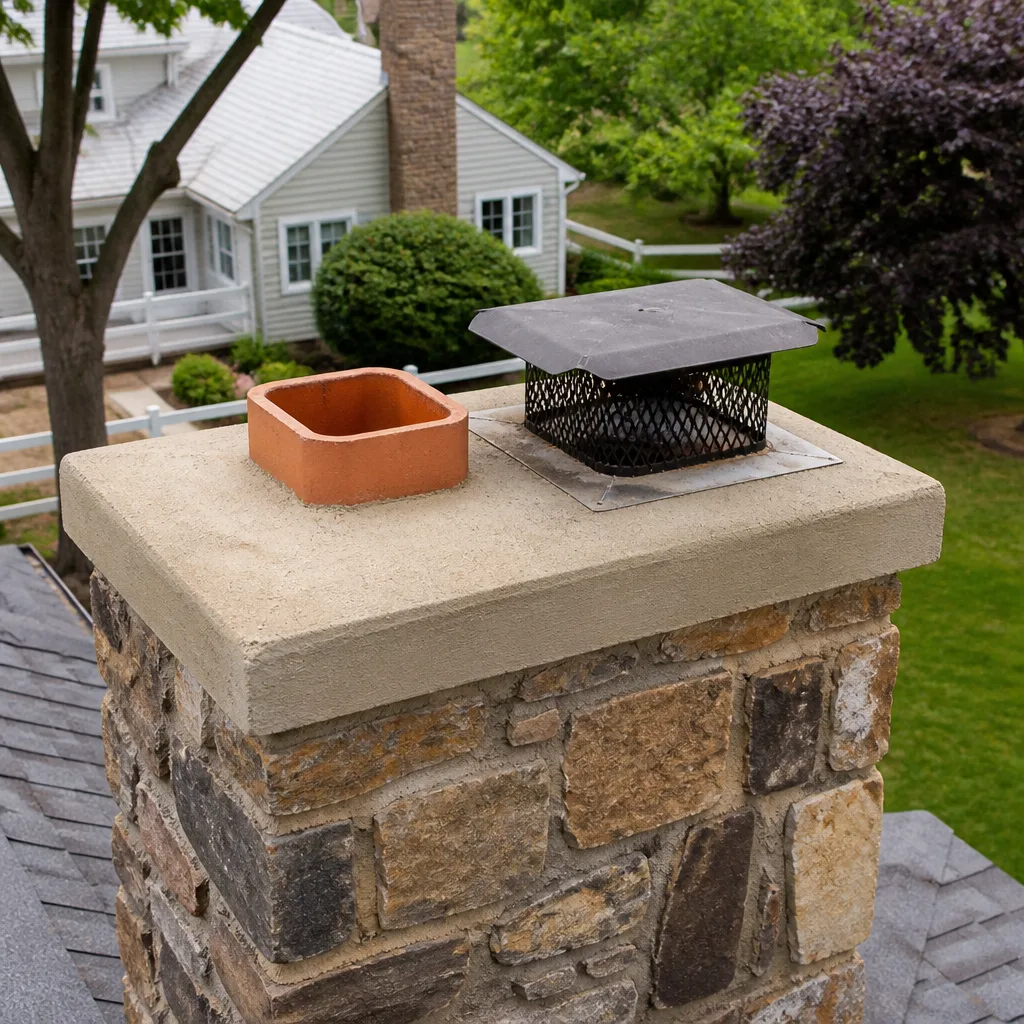
- Sweep & inspection
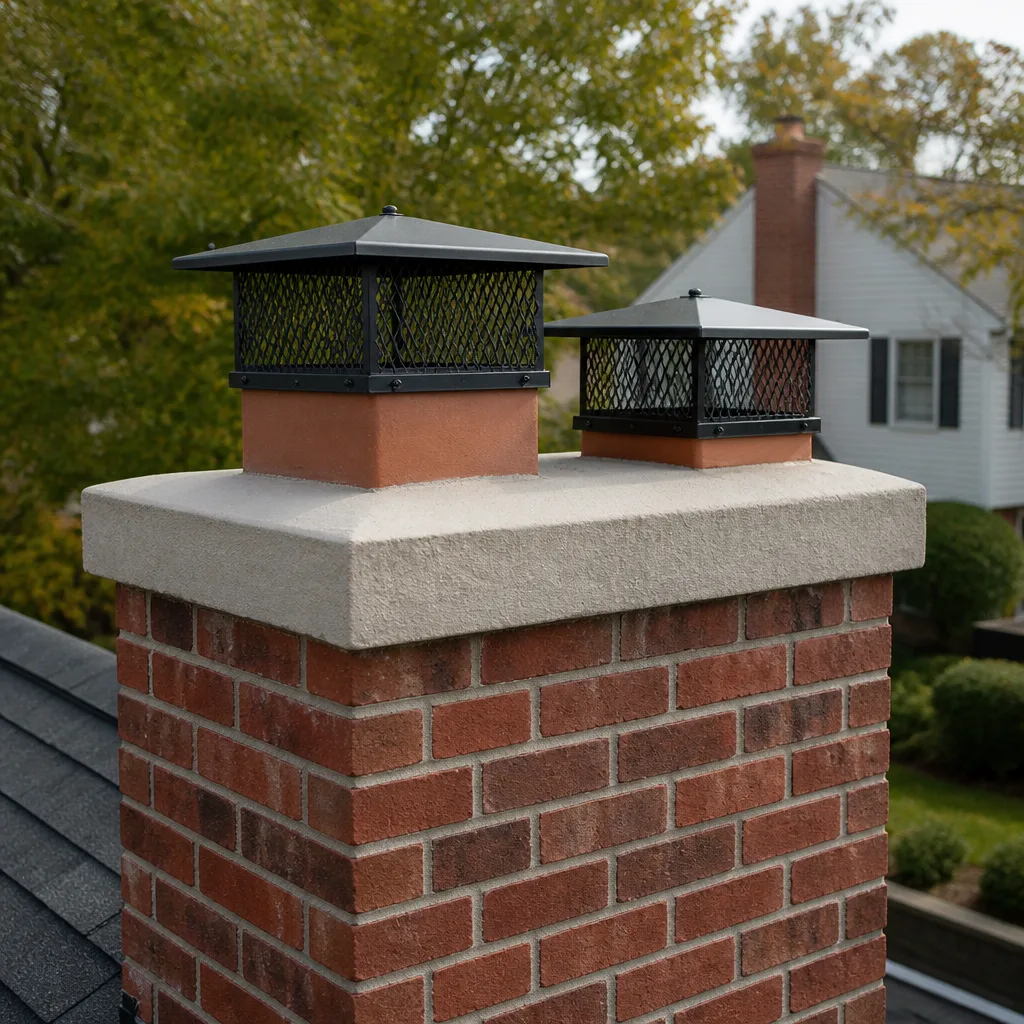
- Caps & crowns
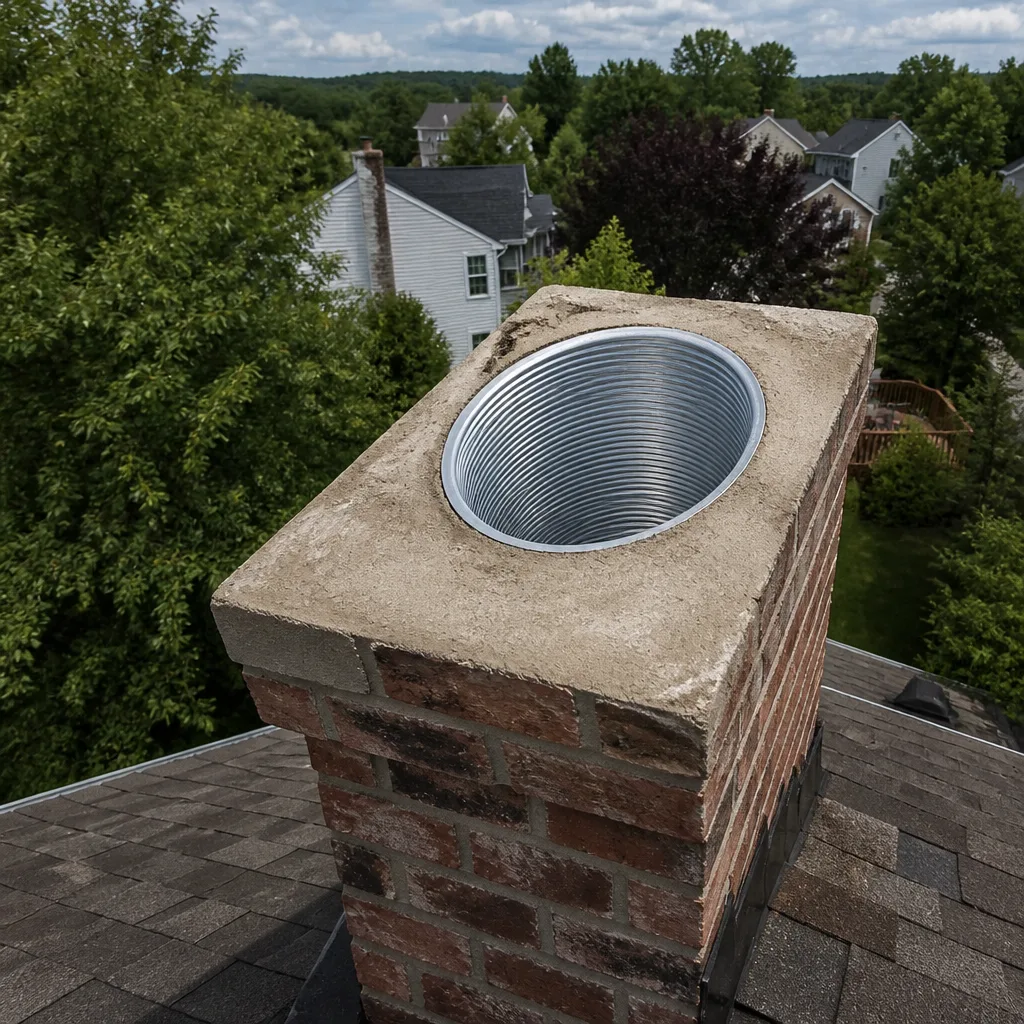
- Flue relining
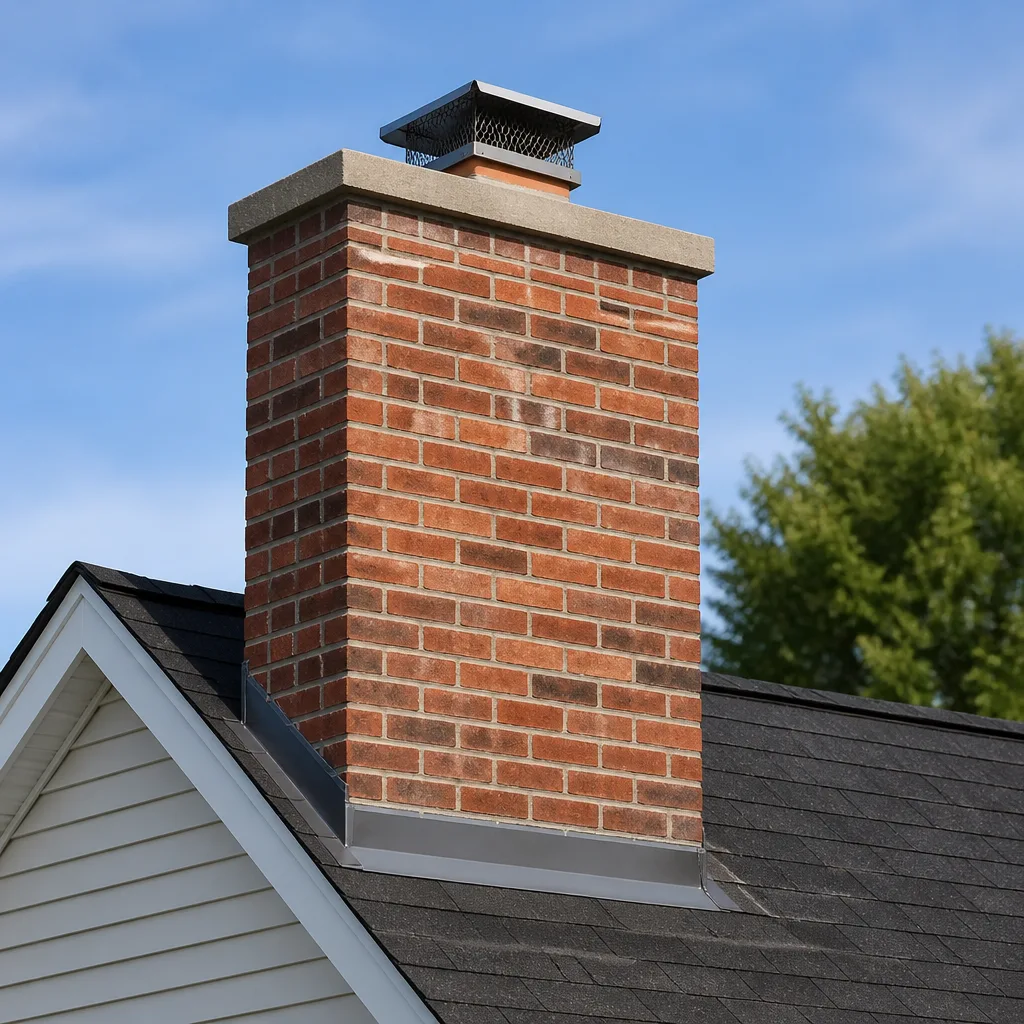
- Masonry repair
- Gas fireplace service
Table of Contents
- What to Do in the First Three Minutes of a Chimney Fire
- How to Tell a Chimney Fire from a Normal Hot Burn
- Carbon Monoxide: What a Triggered Alarm Actually Means
- After the Emergency: Why a Level 2 Inspection Is Required
- Preparing Your Ogden Home Before Anything Happens
- How Ogden’s Climate and Housing Stock Affect Chimney Risk
- Seasonal Readiness: The Weeks Before Burning Season
- Sudden Blockages: What They Feel Like and What to Do
What to Do in the First Three Minutes of a Chimney Fire
A chimney fire is a fire inside a confined vertical shaft, and your response should be built around that fact. The flue is designed to carry smoke and heat upward and out. When creosote ignites, the fire draws air from below, which is exactly what a hot fire in the firebox does. That’s why the first move matters mechanically: you’re trying to cut the air supply, not fight the fire directly.
Here is the sequence, in order:
- Close the damper if you can reach it safely. Starving the flue of oxygen slows the burn and limits how much heat feeds into the chimney walls. If the damper handle is too hot to touch or the firebox is not safe to approach, leave it and move to step two. Do not spend time on this step at the expense of getting out.
- Get every occupant out of the house. Adults, children, pets, everyone. A chimney fire can spread into framing hidden inside walls where you cannot see it. Get people clear first and count heads outside.
- Call 911. A chimney fire is a structure fire until proven otherwise. Firefighters have thermal imaging and the tools to check wall cavities and the attic, which you cannot do from the living room. Do not wait to see whether it “settles down.”
- Do not pour water into the firebox or down the flue. This is the step people get wrong. Water on a hot masonry flue can crack the clay tiles or the mortar joints from thermal shock. Those cracks are exactly the pathway that lets fire and carbon monoxide into the house later. On a metal liner, a sudden dousing can warp panels and open seams. Let the fire department handle suppression.
- Close the glass doors or firebox screen if it is safe. This limits ember spill into the room, but only if you can reach it without exposure.
- Stay out until the fire department clears the scene. Even after visible flames stop, hot creosote can reignite. Firefighters will tell you when the structure is safe to re-enter.
Water is the intuitive response and the wrong one for a hot chimney. The mechanical reason is thermal shock: masonry and clay liners do not tolerate rapid temperature change, and a cracked flue is a much bigger problem than the fire you were trying to put out.
How to Tell a Chimney Fire from a Normal Hot Burn
The hardest part of chimney emergency response is deciding whether you have an emergency at all. A well-built fire with dry wood makes noise, and that noise is normal. The difference is in the character of the sound, the smell, and what’s coming out of the chimney.
Sounds that suggest a flue fire:
- A low, sustained roaring that sounds like a distant train or a blowtorch, not the crackle of logs settling.
- Repeated popping or ticking, especially in rapid succession. This is often creosote expanding and fracturing as it burns.
- A sound that seems to come from above the firebox, up inside the chimney, rather than from the fire itself.
Smells that suggest a flue fire:
- A sharp, tarry, almost chemical smell in the room or outside near the chimney.
- A hot, dusty odor that is distinct from wood smoke.
- Smoke smell inside the house when the fireplace has been drafting correctly.
Visible signs:
- Dense smoke from the chimney top, especially dark gray or black smoke that continues after the fire has burned down.
- Sparks or embers visible above the chimney cap.
- Discoloration or heat you can feel on the chimney breast, the wall surface above the firebox.
- Smoke curling back into the room despite an open damper.
A hot, healthy fire can pop and crackle, and a fire built with slightly damp wood can smoke heavily. What distinguishes a flue fire is that the sound and smoke seem to come from the chimney itself, not the firebox, and that they don’t settle when you reduce the air. When you’re unsure, treat it as a chimney fire and call 911. The fire department would rather check a hot fire than arrive at a house fire.
Carbon Monoxide: What a Triggered Alarm Actually Means
A carbon monoxide alarm going off while the fireplace is in use is a chimney system warning first and a combustion appliance question second. The order matters, because CO from a fireplace almost always traces back to the flue: a blockage, a cracked liner, a disconnected pipe on a gas insert, or reversed draft pushing exhaust into the room instead of up and out.
What to do when the alarm sounds during or shortly after fireplace operation:
- Get everyone outside into fresh air immediately. Do not open windows and stay inside to “air it out.” CO has no smell and no color, and the alarm is telling you the level has already reached a concerning point.
- Call 911 or the fire department. They can measure CO levels with meters and confirm whether the house is safe to re-enter.
- Do not relight the fireplace or any gas appliance until the source is identified. This is not a reset-and-retry situation.
- Note the timing for whoever inspects the system later. An alarm that sounds during fireplace use points to the flue. An alarm that sounds when the fireplace is off but the furnace or water heater is running points toward a combustion appliance or venting issue. That distinction saves diagnostic time.
When the fireplace is the trigger, and especially with a gas log set or insert, the likely culprits are a blocked or partially collapsed flue, a liner with a breach, or a disconnected vent connector. HeatShield ceramic resurfacing and DuraFlex liner systems exist precisely because flue liners do fail, and a failed liner is a CO pathway. Only a proper inspection can confirm which problem you have. A CO alarm that resets and stays quiet is not evidence the problem is gone.
After the Emergency: Why a Level 2 Inspection Is Required
A Level 2 inspection is the standard post-fire inspection, and it is not optional after any chimney fire. It includes a camera inspection of the flue interior and an examination of accessible portions of the chimney structure, including hidden spaces where heat and fire can travel. The reason is simple: a chimney fire can damage the flue liner, crack mortar joints, or char framing inside the chase, and none of that is visible from the firebox.
Here’s the part homeowners should hear clearly. No chimney company should clear a system for use over the phone. Anyone who tells you “it’s probably fine, just give it a few days” without looking inside the flue is guessing. The damage that matters most after a chimney fire is interior damage, and interior damage requires a camera.
What a proper post-fire evaluation involves:
- Camera inspection of the full flue length, top to bottom.
- Checking the liner for cracks, spalling, gaps at joints, and separation.
- Inspecting the smoke chamber and damper area.
- Looking at the chimney exterior for cracked crown, loose mortar, and damaged cap.
- Checking accessible framing and attic spaces for heat damage.
If the flue is damaged, restoration and relining are the fix, not patchwork. HeatShield ceramic resurfacing can restore a deteriorated liner in some cases; a full DuraFlex reline handles more extensive damage. Both are jobs for a chimney specialist, and both should follow the inspection, not replace it. If your system needs attention after an incident, our chimney sweep and inspection service is where we start. A clean flue tells us what the fire left behind.
Preparing Your Ogden Home Before Anything Happens
Emergency preparedness is mostly a set of small, boring tasks done in advance. The three that matter most for chimney emergencies are where you keep the fire department’s non-emergency number, how quickly you can point firefighters to your cleanout, and what you have on hand for suppression.
Keep the non-emergency number where you can find it. The Ogden Fire Department non-emergency line is for questions and non-urgent reports, not active fires. Program it into your phone and write it on a card near the fireplace. The emergency number is always 911, and for a suspected flue fire you use 911.
Know where your cleanout is. The cleanout is the access door at the base of the chimney, usually on the exterior or in a basement or utility area. Firefighters and chimney technicians use it to reach the flue from below. Walk your house and find it now, before smoke is filling a room. Note whether it’s painted shut, blocked by storage, or buried behind landscaping. Make sure it opens freely.
Understand what a chimney fire suppressant stick can and cannot do. Commercial suppressant products, often called chimney fire extinguisher sticks, are designed to be tossed into a hot firebox where they release a suppressing agent up the flue. They can knock down a small, early-stage flue fire. They cannot guarantee extinguishing a developed chimney fire, they don’t address fire that has spread into the structure, and they are not a substitute for calling 911. Keep one on hand if you like, but treat it as a first aid tool, not a fire department. A standard ABC fire extinguisher belongs near the fireplace too, for embers that escape into the room, and it should be checked periodically for pressure.
One more preparation step: make sure your chimney cap is intact and your damper operates freely. A missing cap lets birds, squirrels, and debris into the flue, which is one of the most common causes of sudden blockage in Ogden. Our chimney cap & crown work addresses exactly this.
How Ogden’s Climate and Housing Stock Affect Chimney Risk
Ogden’s winters are cold enough that most wood-burning households run the fireplace hard from late fall into early spring. Cold, dense air outside and warm flue gases inside create strong draft, which is good for combustion and bad for creosote: a hot, fast-burning fire still deposits creosote on cooler upper flue surfaces, and a slow, smoldering fire deposits much more. The Ogden Valley sees colder nights than the benchlands, and homes at higher elevation often burn longer and hotter. Neither pattern is inherently dangerous, but both accelerate the buildup that fuels a flue fire.
The housing stock adds its own factors. Older homes in Ogden’s central neighborhoods, and in East Central and the Avenues, often have original clay-tile liners that have been through decades of heating and cooling cycles. Clay tiles crack and spall, and the mortar joints between them erode. A cracked liner does two things: it gives creosote a rough surface to cling to, and it gives fire and carbon monoxide a pathway into the surrounding masonry. Newer construction in the foothill developments often has factory-built metal chimneys with their own failure modes, including warped or separated panels. Both types need inspection, just with different checklists.
Ogden’s freeze-thaw cycle also works on the exterior. Water gets into cracked mortar and the crown, freezes, expands, and widens the crack. Over a few seasons, the crown that should shed water starts trapping it. That’s why a cracked crown or a missing cap is an emergency preparedness issue and not just a cosmetic one. It’s the small structural failure that lets bigger ones in.
Seasonal Readiness: The Weeks Before Burning Season
The best time to deal with chimney risk is before the first fire, not after the first scare. Ogden’s burning season usually opens in late October or early November. Getting the system checked in early fall means any repairs are finished before you’re dependent on the fireplace for warmth, and it means you find problems while the weather still allows a comfortable repair window.
A practical pre-season checklist:
- Schedule a sweep and inspection. A professional sweep removes creosote buildup and gives you a camera look at the flue. The right materials for the job, whether that turns out to be seals and resurfacing with Gelco or HeatShield, or a new liner, come from a proper inspection.
- Check the cap for damage. Missing or damaged caps are a common prior-season casualty. A cap with a broken screen invites nesting and debris.
- Inspect the crown for cracks. Look for visible fissures, especially on older brick chimneys.
- Test the carbon monoxide alarms. Every level of the home, and outside sleeping areas. Replace batteries as needed.
- Have the wood supply checked. Seasoned, dry wood burns cleaner and deposits less creosote. Wood stored against the chimney wall is a fire risk on its own.
- Confirm the damper operates. A damper stuck open wastes heat and can overdraft; one stuck closed is a CO risk when the fireplace is lit.
The reason we push pre-season scheduling is practical: it’s the same reason you’d rather find a cracked crown in September than in January. Inspecting before we recommend is our standard approach. If the system needs a repair, you’ll see the camera evidence yourself and understand exactly why it matters.
Sudden Blockages: What They Feel Like and What to Do
A sudden blockage shows up as smoke that won’t go up. The fire is burning, the damper is open, and smoke rolls out the front of the firebox into the room instead. The most common causes are a bird nest, debris from a failed cap, or a collapsed section of liner. Less common but serious is a blockage from a separated metal chimney panel or a fallen brick.
What to do:
- Open a nearby window slightly. This reduces the negative-pressure effect that can pull smoke into the room and helps establish a draft path.
- Do not keep feeding the fire. Let it burn down. If it’s smoldering, that’s fine; smoldering wood produces less smoke volume than a hot fire.
- Get the obstruction cleared before the next fire. A blockage that is letting smoke in is also a blockage that could let CO in when conditions change. Do not light another fire until it’s inspected and cleared.
- Do not attempt to drop a weight or brush down the flue yourself. You can lodge the obstruction tighter, damage the liner, or lose the tool. This is a job for a professional sweep.
Blockages are also a reason to act on the cap and crown side proactively. A properly installed, manufacturer-sourced cap with a screen is the simplest defense against animal nesting, and it also keeps out debris, rain, and squirrels. Famco and Olympia Chimney supplies go into cap and crown work because the components are engineered to fit and hold up to weather.
Common Mistakes to Avoid
- Throwing water on a hot masonry chimney fire. Thermal shock cracks clay liners and mortar, and a cracked flue is a far worse long-term problem. Call the fire department and let them suppress it.
- Waiting to see if a noise “settles down.” A chimney fire that quiets can still be burning inside the structure. Every minute of delay lets heat work into framing and masonry.
- Skipping the post-fire Level 2 inspection. A flue that looks fine from the firebox can have cracked liner joints higher up. Camera inspection is the only way to know.
- Accepting a verbal all-clear. No chimney company should clear a system for use without looking at it. If someone tells you over the phone that you’re fine, get a second opinion.
- Leaving the cleanout blocked by storage or landscaping. In an emergency, firefighters need quick access to the base of the chimney. Make sure yours opens freely.
- Assuming a quiet CO alarm means the problem is gone. CO alarms reset once air clears; the source does not fix itself. Investigate before resuming fireplace use.
- Burning wood that isn’t seasoned. Damp wood deposits far more creosote than dry wood and increases your flue fire risk through the season. Store wood dry and keep it away from the chimney wall.
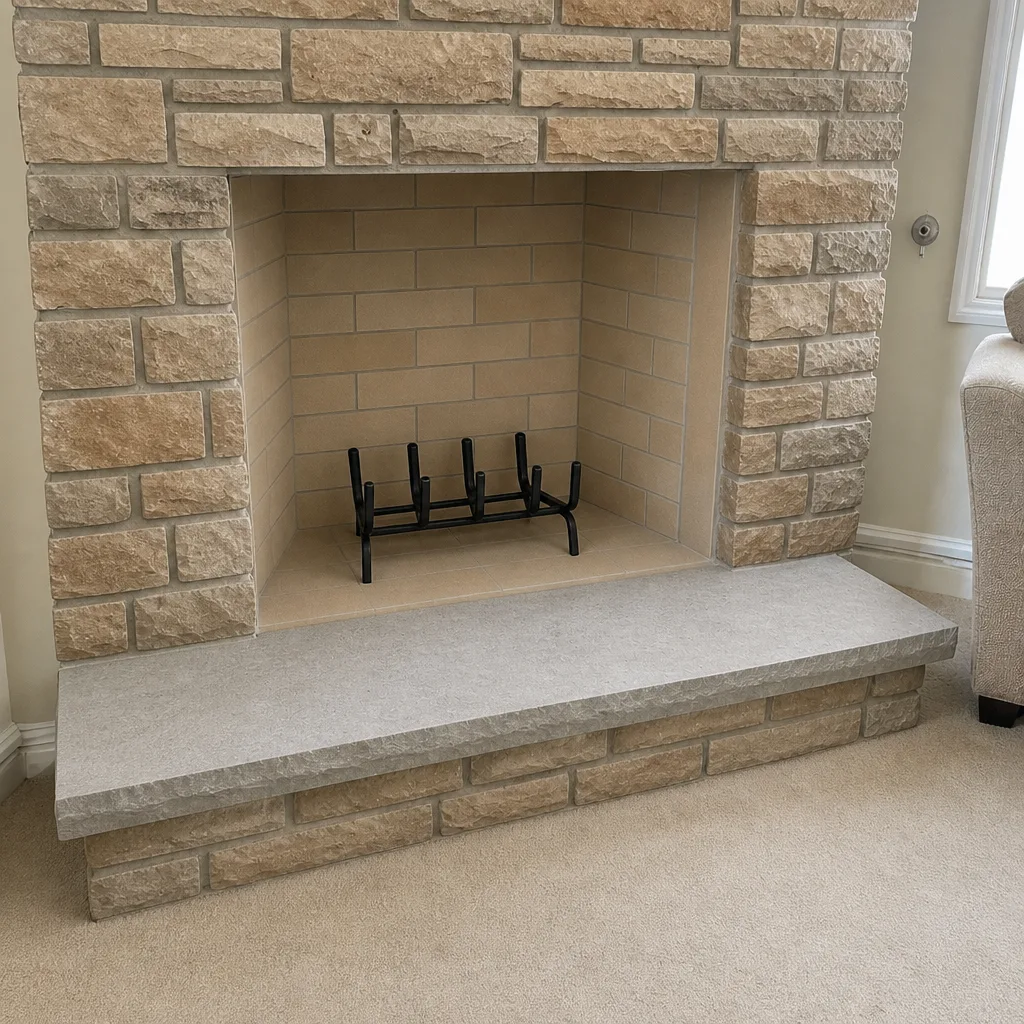
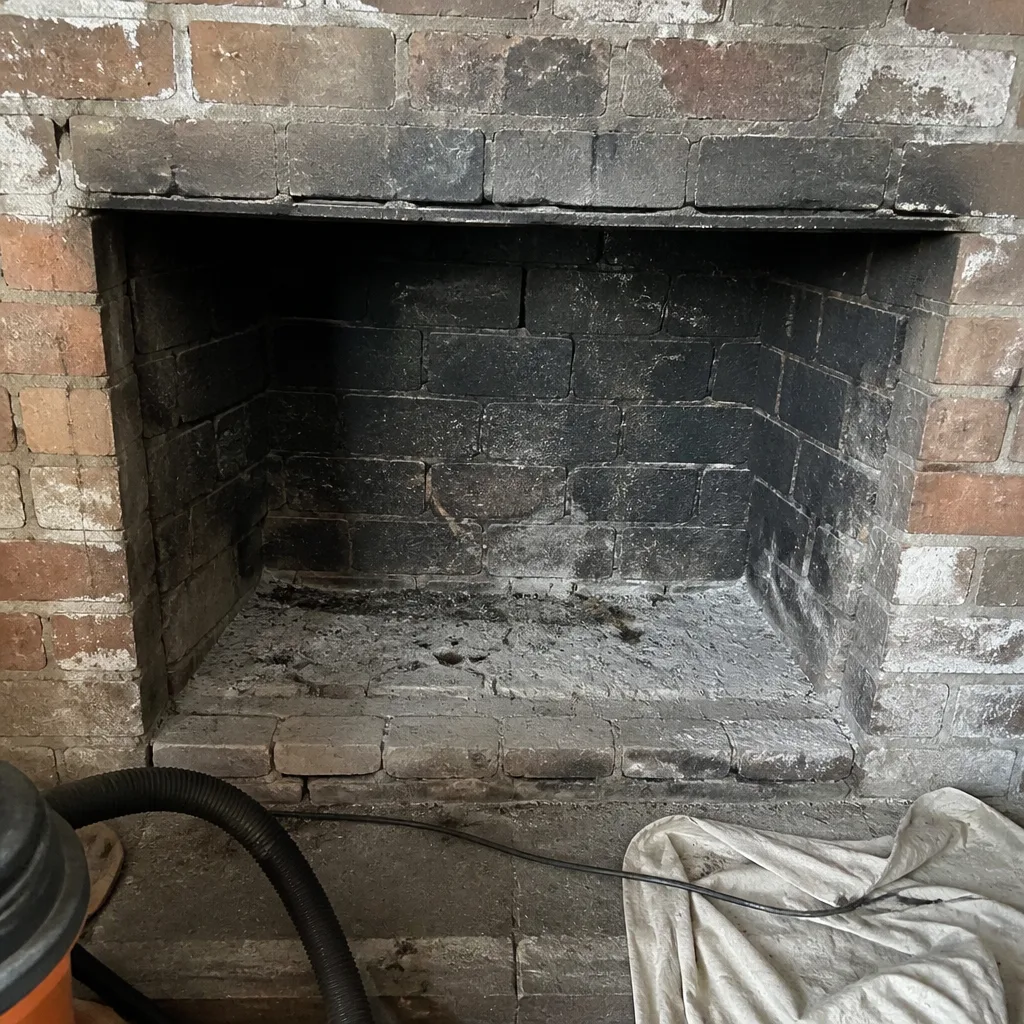
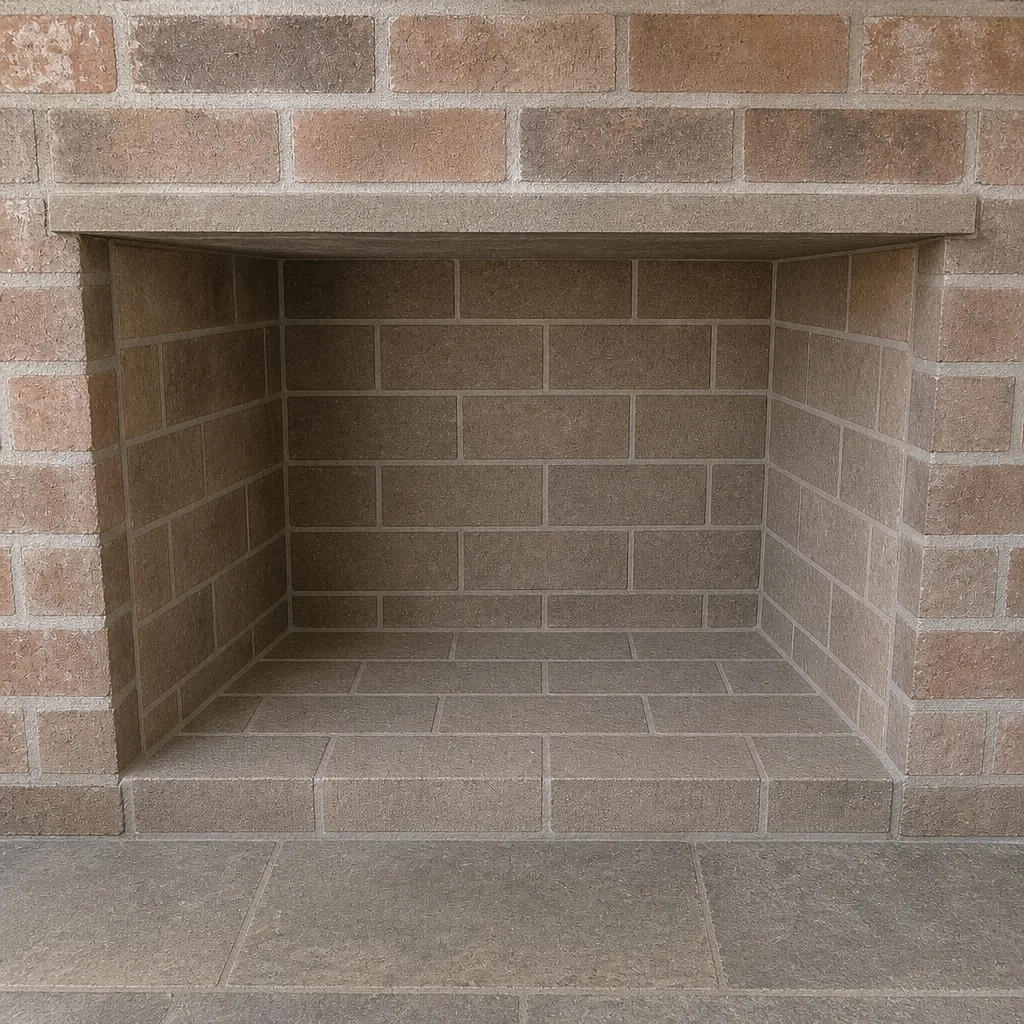
See the difference
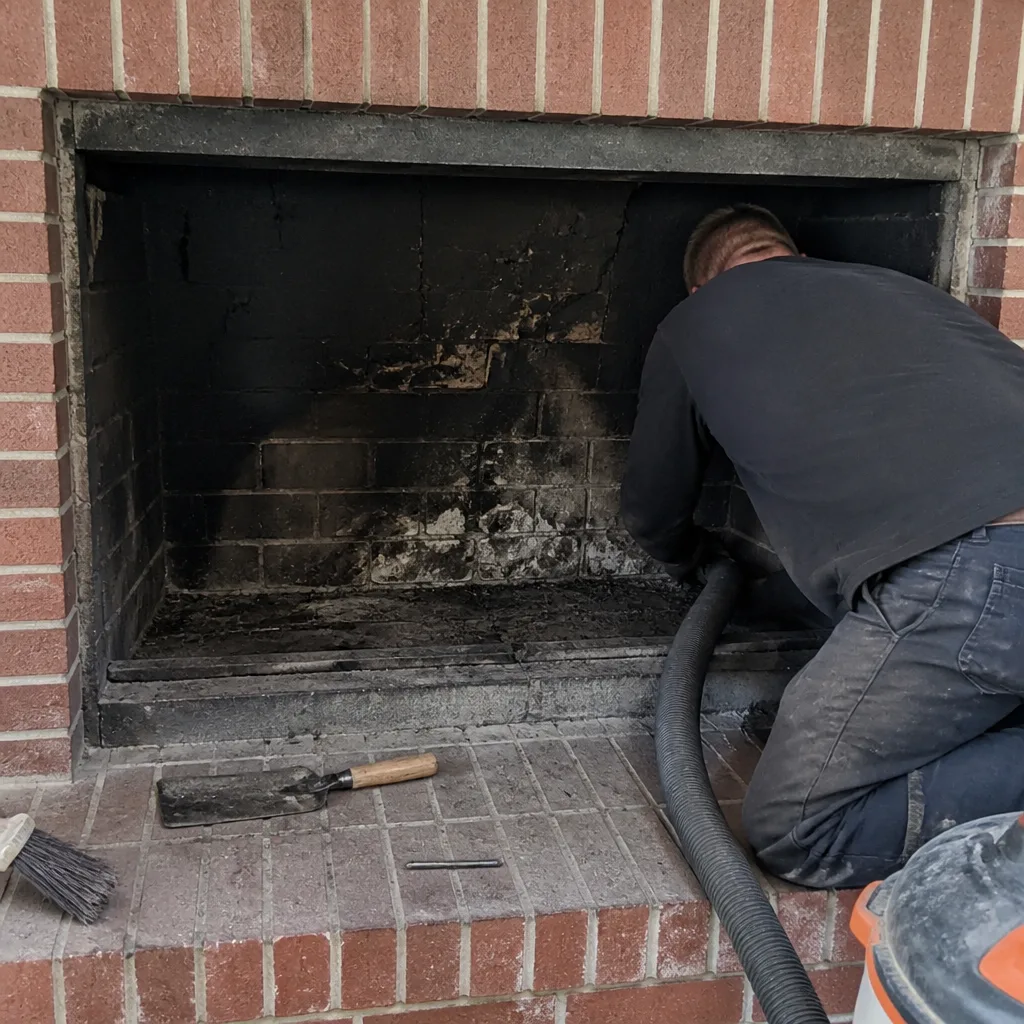 Before
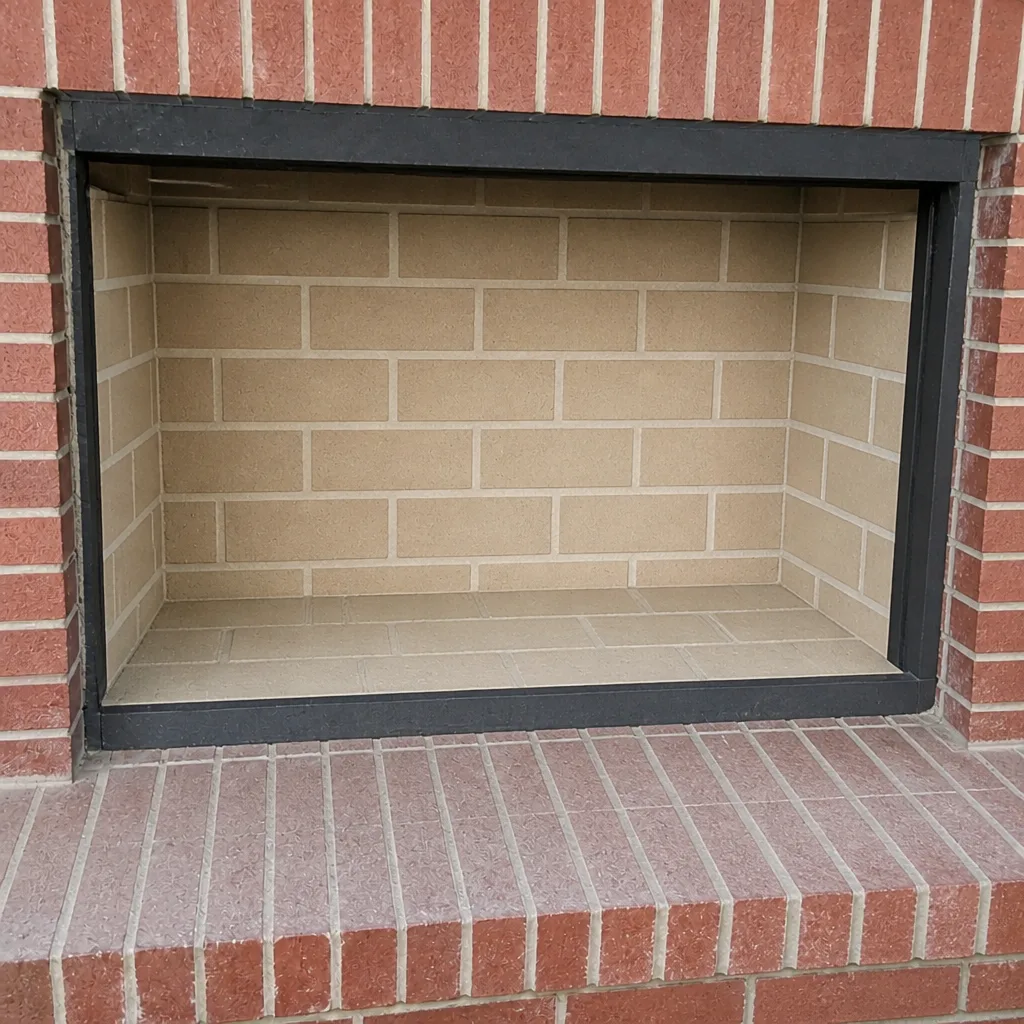 After
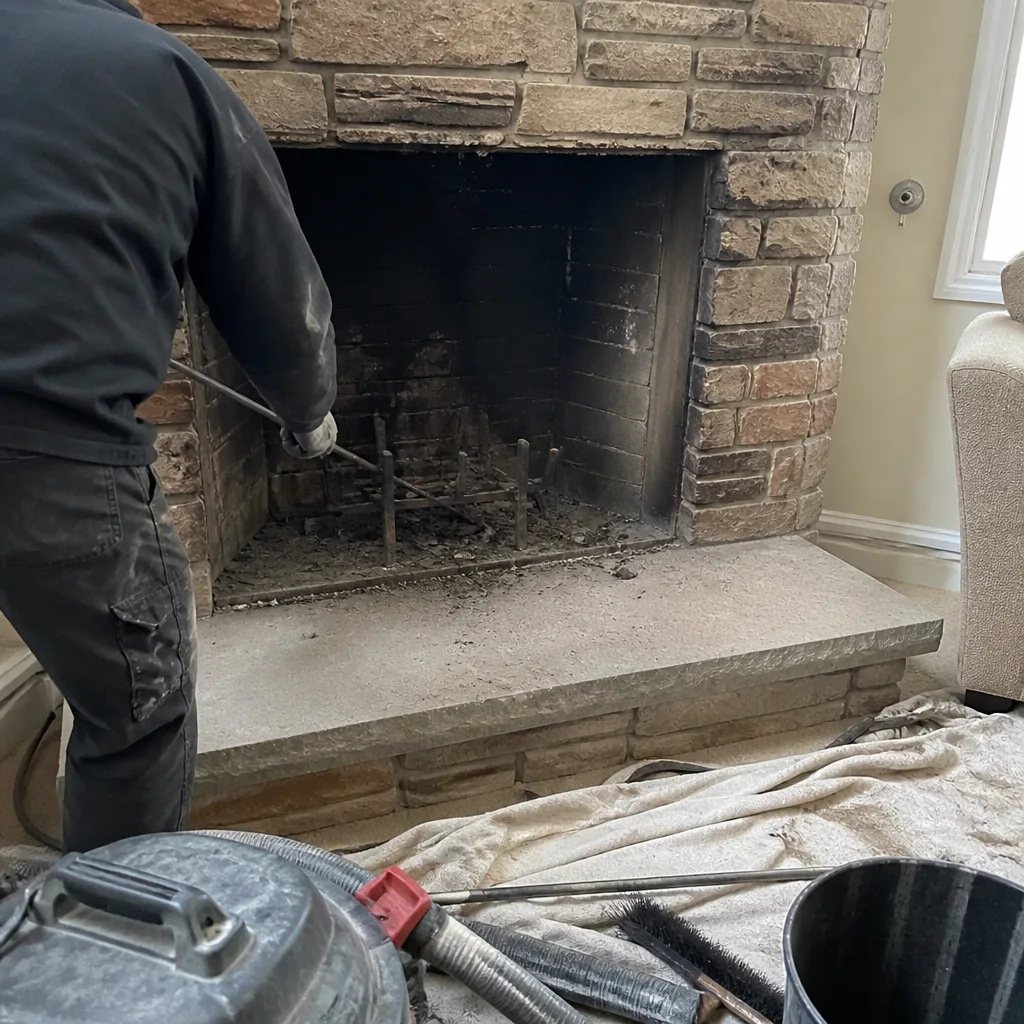 Before
 After
 Before
 After
When to Call a Professional
Any of these situations calls for an inspection, and in some cases for a fireplace repair rather than cleaning: a suspected chimney fire, a CO alarm during fireplace use, smoke backing into the room, a flue that hasn’t been inspected after a season of heavy use, a cap or crown that’s visibly damaged, or visible spalling and crumbling mortar on the exterior. Half measures here don’t pay off: the system either drafts and vents correctly or it doesn’t, and a visual glance from the ground won’t tell you which. Chimney Sweep Ogden offers free estimates in Ogden. Call (833) 918-6769 to schedule an inspection and see the camera evidence for yourself.
Frequently Asked Questions
Close the damper if you can do it safely, get everyone out of the house, and call 911. Do not pour water into the firebox or flue; thermal shock can crack a masonry liner or warp a metal one, turning a contained fire into a structural problem. Stay outside until the fire department tells you the house is safe. If you’re unsure whether it’s a real chimney fire, treat it as one and call 911.
A chimney fire sounds different: a sustained low roar or rapid popping from up inside the flue, rather than crackling from the logs. It often smells sharper and tarry, and it may produce dense or dark smoke from the chimney top that continues even after you reduce airflow to the fire. If the sound and smoke seem to come from the chimney rather than the firebox, call 911. Call (833) 918-6769 for a post-incident inspection once the fire department clears the scene.
It usually means the flue is compromised or blocked. A cracked liner, a disconnected gas insert pipe, or a partial blockage all push CO into the room instead of up and out. Get everyone outside, call 911, and don’t relight the fireplace until the source is confirmed. The professional who inspects it should look at the flue first, then the other combustion appliances. Call (833) 918-6769 to schedule that inspection.
Yes. A Level 2 inspection includes a camera look at the flue interior and the accessible parts of the chimney structure, which is the only way to see liner cracks, joint gaps, and heat damage to surrounding materials. What looks fine from the firebox can be damaged higher up. No company should clear a system for use without doing this. We do Level 2 inspections as a standalone service. Call (833) 918-6769 for a free estimate.
It can knock down an early, small flue fire, but it cannot guarantee extinguishing a developed fire or address fire that has spread into the structure. Treat it as a first-step tool, then call 911. It doesn’t replace an inspection afterward either. If you’ve used one, the flue still needs a camera inspection before you use the fireplace again. Call (833) 918-6769 to book one.
Near the fireplace, in your phone contacts, and posted in a kitchen or entry area. The non-emergency line is for questions and non-urgent reports. For any active fire or suspected chimney fire, use 911. Call (833) 918-6769 if you want an inspection before an emergency happens; estimates are free.
The Bottom Line
Chimney emergencies in Ogden are rare in a well-maintained system and common in a neglected one. The difference between a contained incident and a house fire usually comes down to three things: knowing the correct first three actions, not throwing water on a hot flue, and getting a Level 2 inspection afterward rather than hoping it’s fine. Prepare now by locating your cleanout, keeping fire department numbers on hand, checking your cap and crown, and scheduling an inspection before burning season. If you’ve had an incident, call (833) 918-6769 for a free estimate. We answer 24/7. Fast dispatch from 7am to 7pm, Sunday through Friday.
Written by the team at Chimney Sweep Ogden.