
Last updated November 24, 2026
 Sweep & inspection
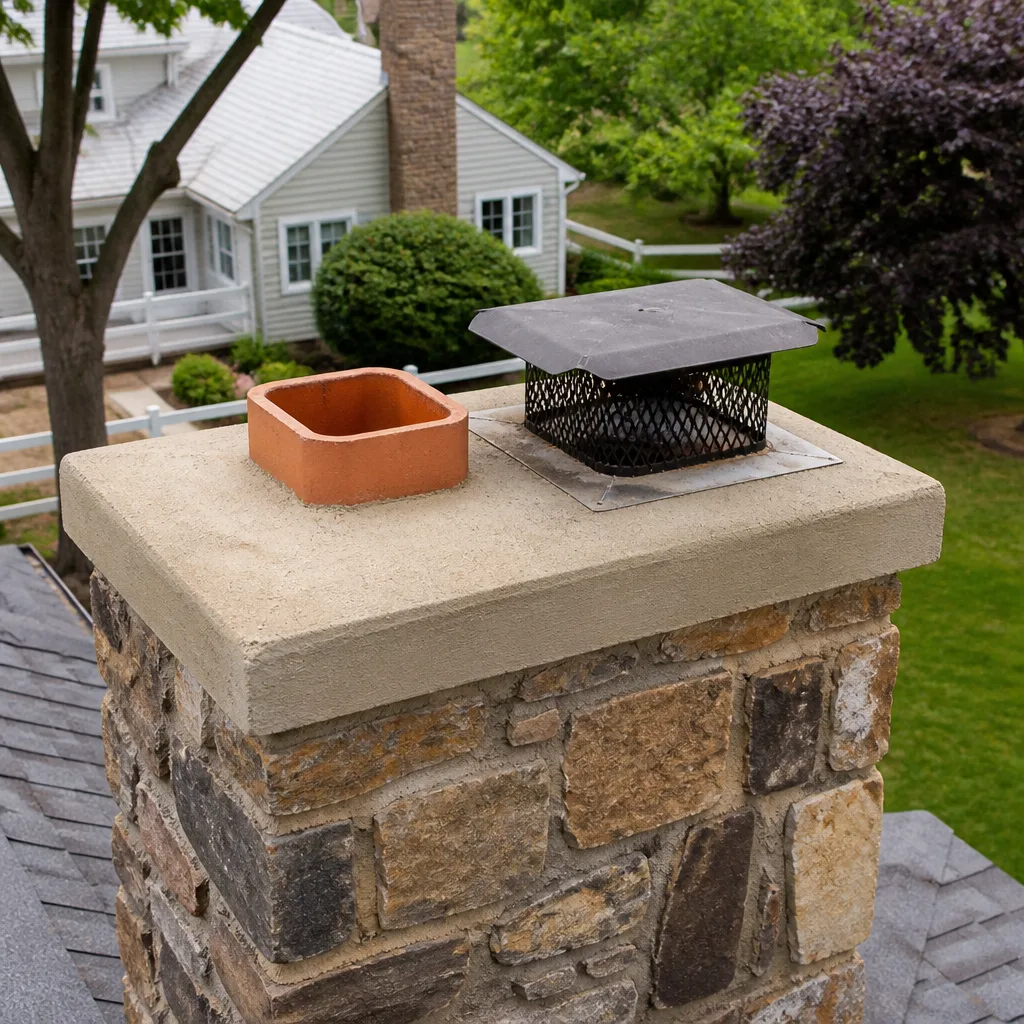
 Caps & crowns
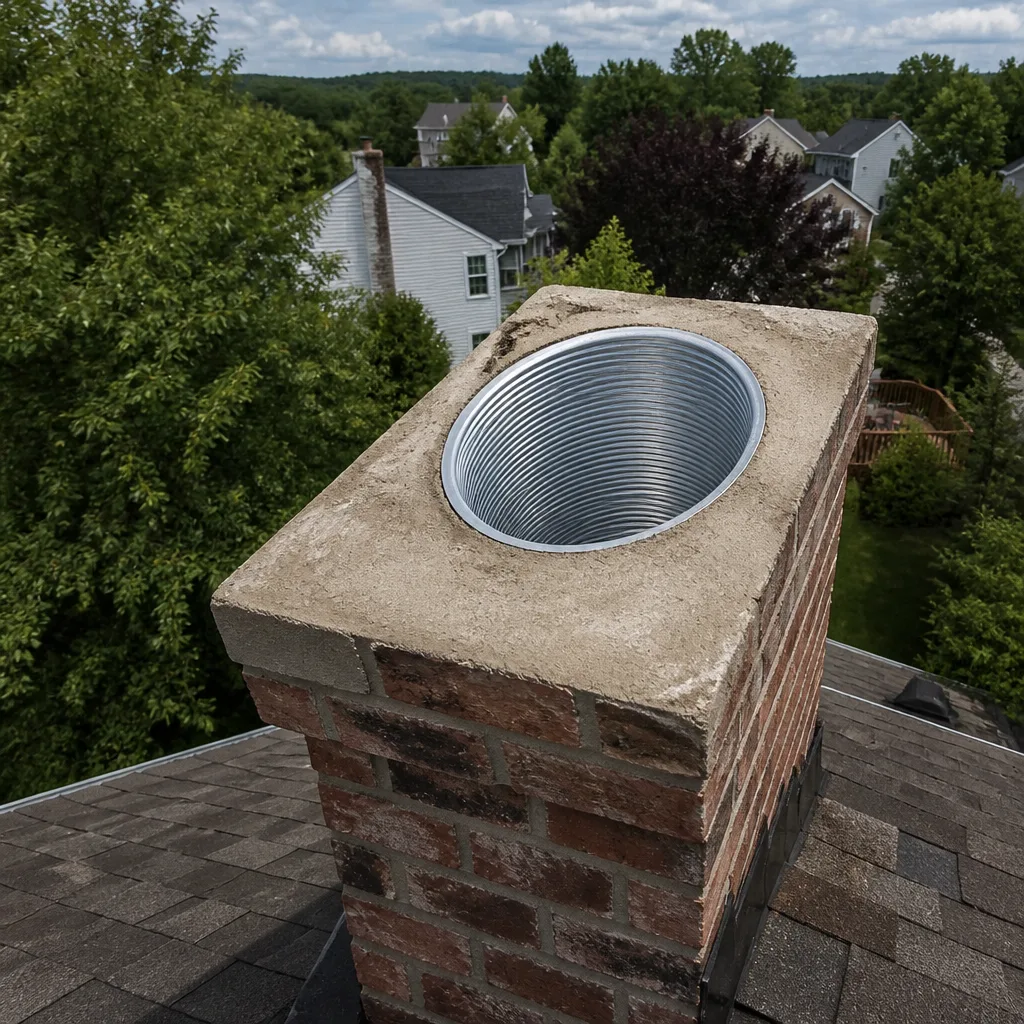 Flue relining
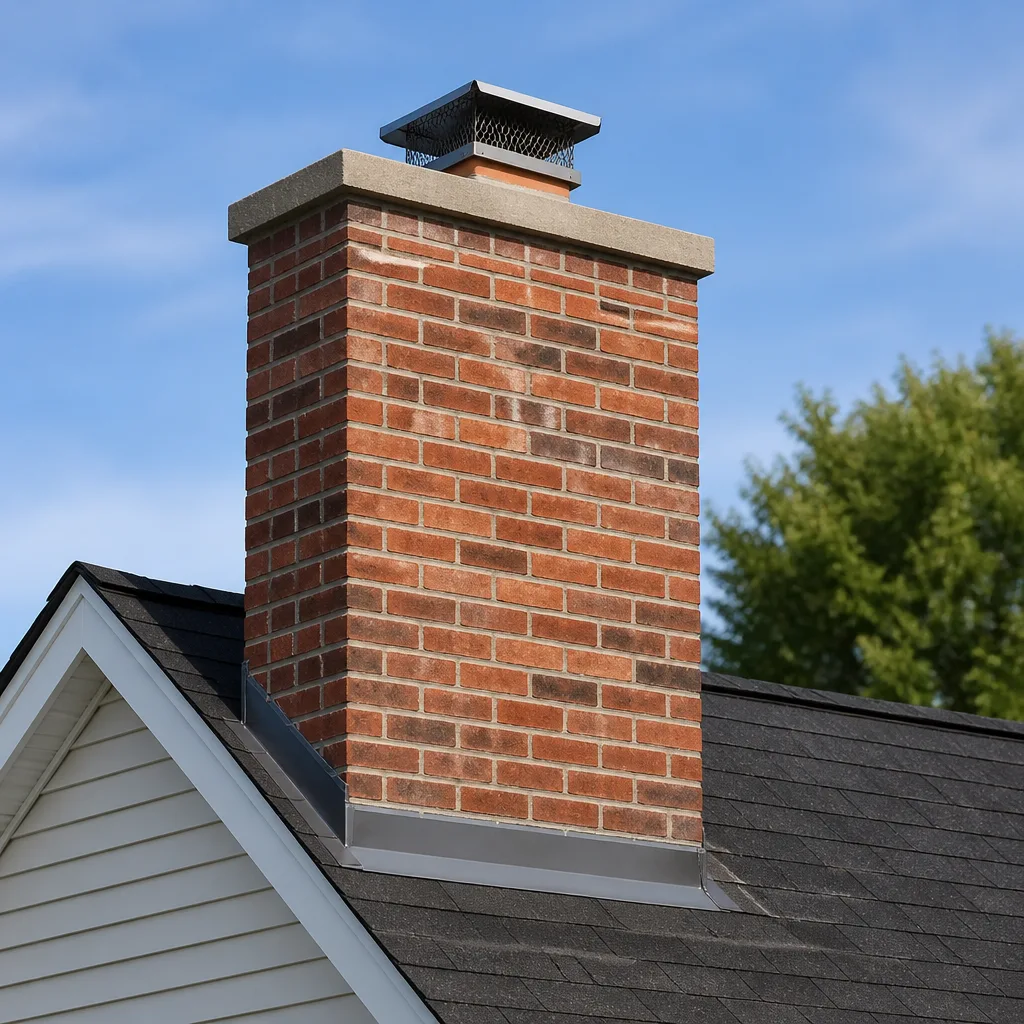 Masonry repair
 Gas fireplace service
Level 1 sweep and inspection to the NFPA 211 annual standard - flue, crown, cap, and flashing checked and photographed
Chimney sweep logs do not sweep chimneys. They loosen some creosote - which then falls where a brush and vacuum still have to collect it.
The Complete Guide to Chimney Cleaning in Ogden
Most homeowners in Ogden believe a chimney only needs sweeping when it looks dirty or smells smoky. The opposite is closer to the truth. The cleanest-looking firebox can hide a flue loaded with creosote, and the smell you notice on a cold morning often comes from pressure changes in the valley, not from ash. Ogden sits in a bowl that traps cold air and wood smoke during winter inversions, and that same geography means many households burn harder and longer than the national average. That changes how fast creosote forms, what stage it reaches, and what kind of cleaning the chimney actually needs. This guide maps those local realities to a practical service framework: what cleaning involves, how inspections drive the method, and what a completed job should look like. It’ll help you ask better questions and know when to stop putting it off.
Quick Answer
Chimney cleaning in Ogden means a professional inspection and sweep of the flue, firebox, smoke chamber, and damper, performed with the right method for the creosote stage present. Most wood-burning homes here should be assessed annually and swept when the technician finds roughly an eighth of an inch of buildup or any glazed creosote. The sweep should end with documentation of flue condition, clearances, and any deficiencies, not just a cleaning log. You can reach a local chimney specialist here for a free estimate.
Styles & brands we work with
- Sweep & inspection
- Caps & crowns
- Flue relining
- Masonry repair
- Gas fireplace service
Key Takeaways
- Ogden’s inversion-driven burn patterns push creosote buildup faster than in milder climates.
- Professional cleaning is inspection-led: the method (brush, rotary, or chemical) follows the creosote stage, not the calendar.
- Weber County’s 1950s through 1980s masonry homes often have offset flues and mortar joint wear that affect how a sweep is done.
- A finished job includes documentation of flue condition, clearances, and identified deficiencies, not only a sweep record.
- Liner and crown problems are diagnosed from camera evidence you can see, and some work can safely wait until you’re ready.
Table of Contents
- How Ogden’s Inversion Winters Change Creosote Buildup
- Level 1, Level 2, and Level 3 Cleaning: Which Applies to Your Home?
- What Older Ogden Homes Ask of a Chimney Sweep
- The Sequence a Professional Follows, Step by Step
- What a Completed Chimney Cleaning Should Include
- When to Schedule Cleaning in Ogden
- What Chimney Cleaning Costs in Ogden
- Chimney Fire and Carbon Monoxide: The Reason Cleaning Matters
How Ogden’s Inversion Winters Change Creosote Buildup
Ogden’s winter inversions do more than trap smog against the mountains. They keep cold air pooled in the valley, and homeowners respond by burning wood more often, for longer stretches, and sometimes with damp or green wood when the seasoned stack runs short. Cool flue temperatures and poor draft are the two conditions that most reliably accelerate creosote formation. A fire that struggles to draw carries unburned gases up a cool chimney, and those gases condense on the flue wall as creosote. Over a season that adds up faster than the general “once a year” advice suggests for a milder climate.
We describe creosote in three stages because the stage drives everything a technician does next:
- Stage 1: Sooty, flaky, and easy to brush away. This is the normal state after a reasonable burn season.
- Stage 2: Denser, tar-like deposits that cling to the flue and require rotary tools to remove fully.
- Stage 3: Glazed, hardened creosote that has essentially baked onto the liner. Brushing alone won’t touch it.
In our work in Ogden, we treat the burn season as the starting point, not the headline. A household that burns daily from the first cold snap through spring has more to manage than one that lights a fire on the odd weekend. Age of the chimney matters too, since a cold exterior masonry chase loses heat the way an interior flue doesn’t. If you’ve burned more this winter than last, a professional inspection is the honest way to find out where you stand. A chimney sweep is where that conversation starts.
Level 1, Level 2, and Level 3 Cleaning: Which Applies to Your Home?
Not all cleanings are the same job, and the three levels are set by what the technician finds during inspection, not by how dirty the firebox looks. Matching the level to the condition is what keeps a sweep efficient and honest. Here’s how the levels map to typical Ogden setups:
Level 1: Routine Cleaning
This covers a basic sweep of the flue, firebox, damper, and smoke chamber when the chimney has been under regular use with no changes to the system. The technician uses hand brushes, verifies the flue is clear, and checks accessible portions of the liner and cap. Most Ogden homes on an annual schedule land here. It’s the least invasive and the most common.
Level 2: Inspection and Cleaning for Changed Conditions
Level 2 adds camera inspection of the flue interior and is appropriate after a change of occupancy, a new appliance, a chimney fire, an earthquake, a significant storm, or when the home was recently purchased. Because so many homes in Ogden change hands, a Level 2 inspection is often the right first call for a new owner who doesn’t know the chimney’s history. It documents the flue’s true condition, including hidden voids or cracks a visual check can’t see.
Level 3: Diagnostic Access When Needed
Level 3 is for diagnosing a specific known problem, and it may require removing parts of the chimney or building. It’s the least common and only comes up when camera evidence points to a concealed defect. A responsible technician explains why Level 3 access is needed before any decision, and you should expect that reasoning in plain terms.
If you’ve noticed smoke rolling back into the room, a cap that’s gone missing, or crumbling mortar at the chimney top, that points toward a fireplace repair conversation alongside cleaning. An inspection decides which kind of job you actually have.
What Older Ogden Homes Ask of a Chimney Sweep
Much of Weber County’s housing stock dates to the 1950s through the 1980s. Those decades built chimneys a certain way, and the details matter when a technician arrives. Many of those masonry chimneys have offset flues, where the flue shifts as it rises to clear a wall or roofline. An offset catches debris, restricts draft, and requires the technician to work the transition carefully with the right brush size. A general handyman with a single brush on a rod often can’t do this cleanly.
Mortar joints are the other recurring issue. Freeze-thaw cycles work on masonry season after season, and joints that were fine a few years ago can show spalling or missing mortar at the crown and the flue tile. That’s not a cleaning problem by itself, but it’s what an inspection uncovers. For these homes, cleaning and structural assessment belong together:
- Inspect the firebox, damper, smoke chamber, and flue from the bottom up.
- Run a camera down the flue to check for offset transitions, cracks, and missing mortar.
- Check the cap, crown, and flashing from the roofline for gaps, cracks, or rust.
- Select the cleaning method based on creosote stage and flue shape.
- Document what’s serviceable now and what can safely wait.
Older masonry here also has clearance issues worth noting. A flue that was fine when the home was built may sit closer to combustible framing than current code allows, and an inspection is the way to find out. Our technicians have up to 9 years of experience reading these conditions, and we recommend from evidence rather than assumption.
The Sequence a Professional Follows, Step by Step
Cleaning a chimney well isn’t a matter of pushing a brush and leaving. The order of operations is what protects the home and produces a job you can trust. In our experience, the sequence below is the one that holds up. The specific tools change; the order doesn’t.
- Inspection first. The technician surveys the firebox, damper, smoke chamber, and flue, runs a camera where needed, and photographs the visible condition. No cleaning method is chosen before this step.
- Protect the room. Drop cloths and a containment setup keep soot from traveling into the living space. The customer should see this preparation happen.
- Match the method to the stage.
- Stage 1: Hand brushes and standard rods to remove loose soot and flakes.
- Stage 2: Rotary tools with the appropriate head to break up tar-like deposits without damaging the liner.
- Stage 3: Chemical treatment to soften glazed creosote before mechanical removal. On a liner that’s already compromised, this may become a relining conversation.
- Clean the full system. Flue, smoke chamber, damper, and firebox all get addressed. Cleaning only the flue leaves deposits in the smoke chamber that keep the problem going.
- Reassess and document. A final camera pass confirms the flue is clear and records any deficiencies found during the job.
This sequence is why specialists and generalists diverge. When a Stage 2 or Stage 3 job appears, the specialist can move directly into liner restoration or replacement. We work with professional-grade systems including DuraFlex and HeatShield ceramic resurfacing, which lets us handle the full chain from cleaning through repair without bringing in another vendor. That continuity matters on older flues where a cleaning uncovers more than expected.
What a Completed Chimney Cleaning Should Include
A trustworthy chimney cleaning ends with paperwork and photos, not just a hole in your schedule. Homeowners in Ogden should expect a small package of documentation after every visit. If a company leaves without it, ask why. Documentation is how you know what was cleaned and what condition the system is in, and it’s the record you’ll want when you sell the home or file a claim.
- Flue condition documentation. Notes or photos on liner integrity, interior cracks, offset transitions, and any missing mortar.
- Clearance findings. Any area where the flue or connector sits closer to combustible material than is safe.
- Identified deficiencies. Cap, crown, flashing, damper, and smoke chamber condition, with a clear separation between things that must be fixed and things that can wait.
- Sweep log. The date and level of the service performed, so the next technician starts from a known baseline.
- Recommendations with reasoning. Not just “needs relining” but the camera evidence behind the call, shown to you.
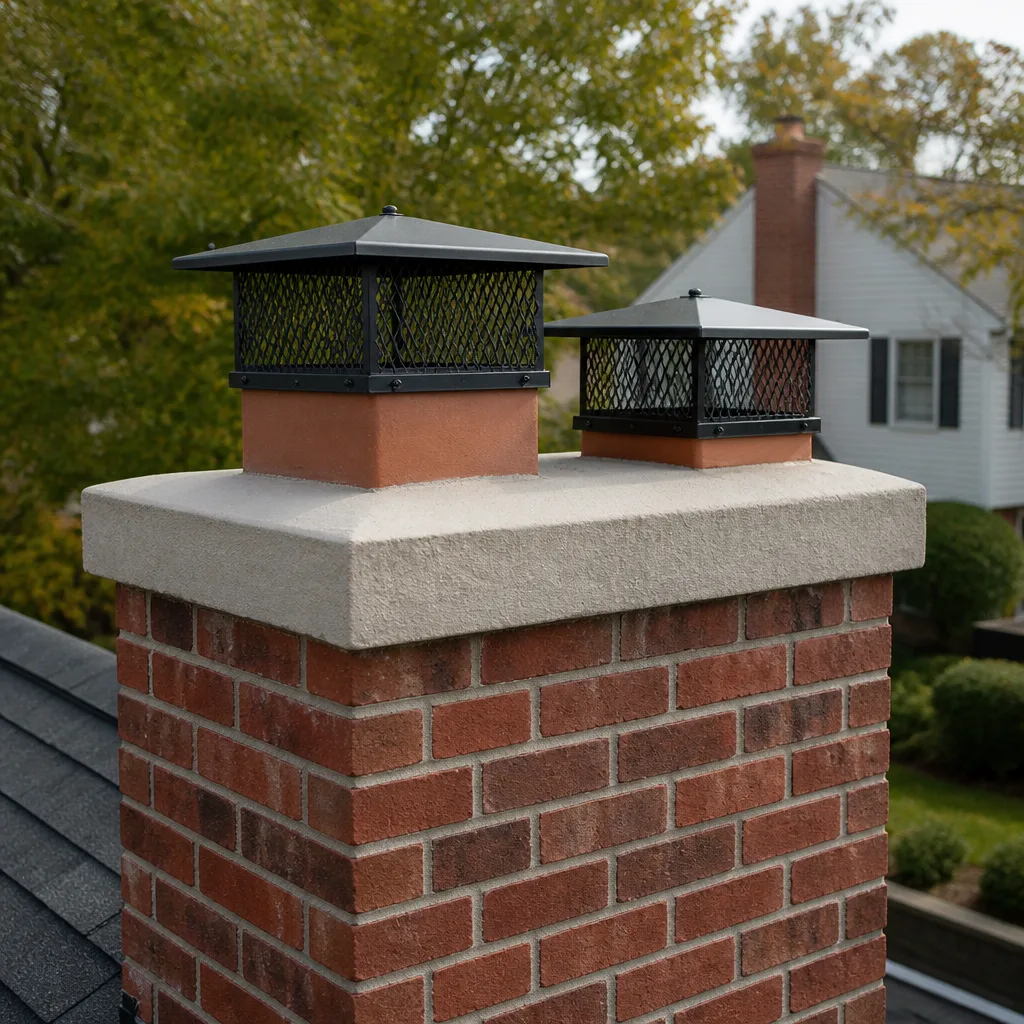
This is the standard we hold our inspections to, and it’s worth asking any company to show the camera evidence before you agree to a repair. The right materials help, too: cap and crown components from suppliers like Copperfield or Olympia Chimney hold up better than site-built substitutions, and a proper chimney cap & crown protects the flue from rain, birds, and debris between seasons. The cap is often the difference between a cleaning once a year and a cleaning plus a repair every spring.
When to Schedule Cleaning in Ogden
The best time to book a sweep in Ogden is late summer or early fall, before the burn season starts. Most households don’t think about the chimney until the first cold night, and that’s when schedules fill. Getting in ahead of that first cold snap means your flue is ready when you need it, and it gives you time to arrange any repair the inspection turns up without waiting on a parts order. The urgency here is seasonal, not hourly.
Outside that baseline, several situations call for cleaning sooner:
- You’ve burned heavily through an inversion season and haven’t had a sweep since last year.
- You smell a strong smoky or tar-like odor when the fire isn’t burning, or notice draft problems.
- You’ve recently bought the home and don’t know the chimney’s history.
- You’ve noticed visible damage: missing cap, cracked crown, crumbling mortar, or smoke rolling back.
- You switched fuels or added a new appliance to the system.
One practical note: if you’ve had a chimney fire, no matter how small, have the chimney inspected before the next burn. Even a short fire can leave cracks in the flue that aren’t obvious. A sweep is worth scheduling before you light the first fire of the season, and there’s no reason to put it off once the leaves turn.
What Chimney Cleaning Costs in Ogden
Chimney cleaning in Ogden typically ranges from about $150 to $300 for a standard Level 1 sweep, depending on the flue length, access, and creosote stage. A Level 2 inspection with camera documentation runs higher, because it includes a full video assessment of the flue interior. Repairs are quoted separately after the inspection, and the written estimate sets the final price. Here’s how the ranges usually break down:
| Service | Typical Ogden Range | Notes |
|---|---|---|
| Level 1 sweep | $150 – $300 | Standard cleaning and visible-condition check |
| Level 2 inspection with camera | $250 – $450 | Full video assessment of the flue interior |
| Cap installation | $200 – $450 | Manufacturer-sourced cap, labor included |
| Crown repair or rebuild | $350 – $700 | Depends on access and existing condition |
| Liner restoration (HeatShield) | Quoted after inspection | Scope set by camera evidence |
| Liner replacement (DuraFlex) | Quoted after inspection | Full-system relining, materials and labor |
These are estimates for planning, not a fixed menu. Access, roof pitch, and the flue’s condition all move the number. The estimate is free, and no repair should be recommended without camera evidence you can see for yourself. If you’re comparing quotes, ask each company to show the same documentation, and treat any quote that skips the camera as incomplete.
We also want to be plain about what can wait. A cosmetic defect in a crown or a slightly worn cap doesn’t have to be fixed the day of the sweep. What can’t wait is anything the inspection turns up that affects safe operation: cracks in the flue, missing mortar at the joints, or creosote at a stage that hasn’t been cleared. A specialist tells you which is which.
Chimney Fire and Carbon Monoxide: The Reason Cleaning Matters
Creosote is flammable. When it builds up in a flue and gets hot enough, it can ignite, and a chimney fire can damage the liner or spread into framing without obvious signs from inside the room. Carbon monoxide is the other risk, and it’s tied to the same system. A blocked or cracked flue can let combustion gases into the living space instead of up and out. A wood-burning fireplace is generally lower-risk for carbon monoxide than a gas appliance, but the flue still has to draft correctly and stay intact for that to hold. Registers, seams, and gaskets all play a part.
The practical takeaway is not to overstate the danger but to take it seriously. A clean, inspected flue is the baseline for both risks. If you smell smoke in the room when the fire isn’t lit, notice a sooting pattern on the surround, or find a missing cap, treat it as a reason to inspect sooner. Carbon monoxide detectors belong on every floor of a home with a fuel-burning appliance, and they’re inexpensive compared with the alternative.
One reminder on the technical side: spring-loaded damper mechanisms and high-tension components in some older setups deserve a trained eye. We don’t recommend homeowner adjustments there. A technician should make those calls, and a professional inspection is the right first step.
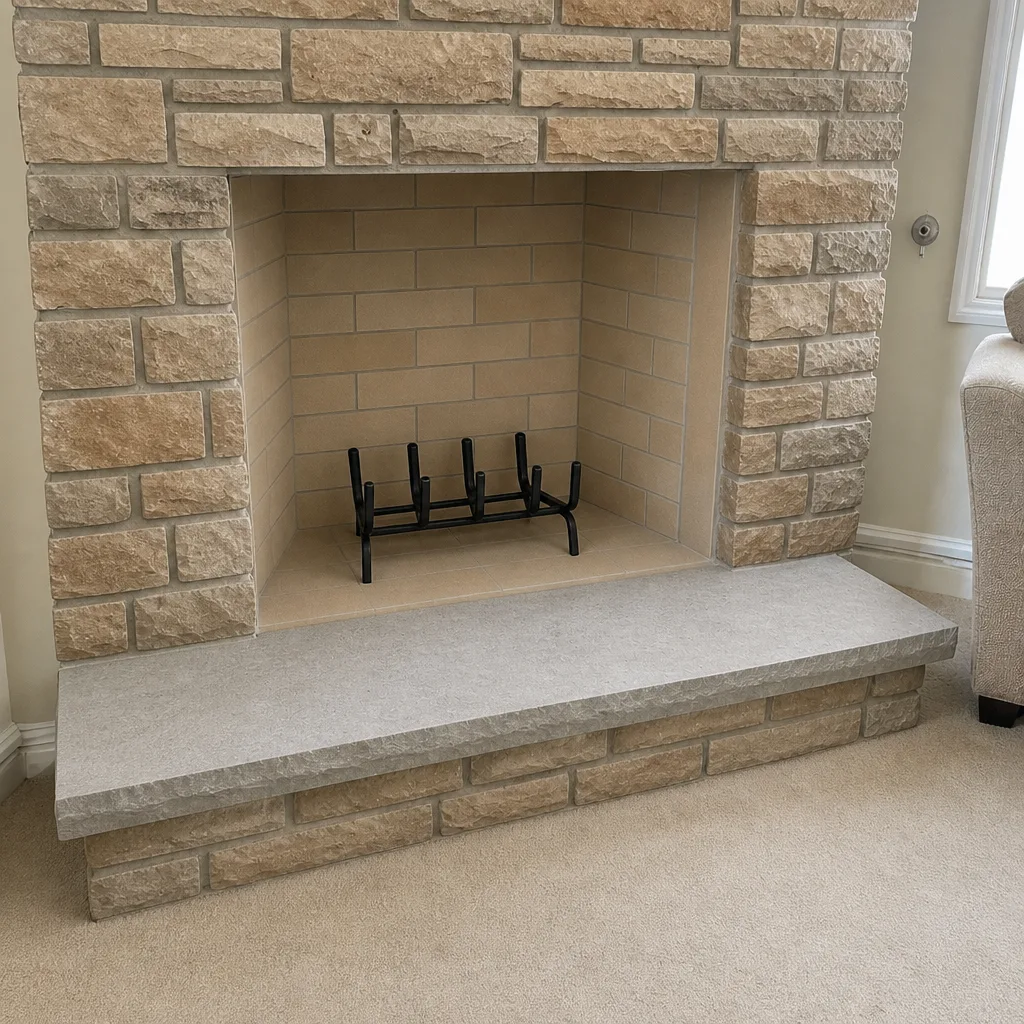
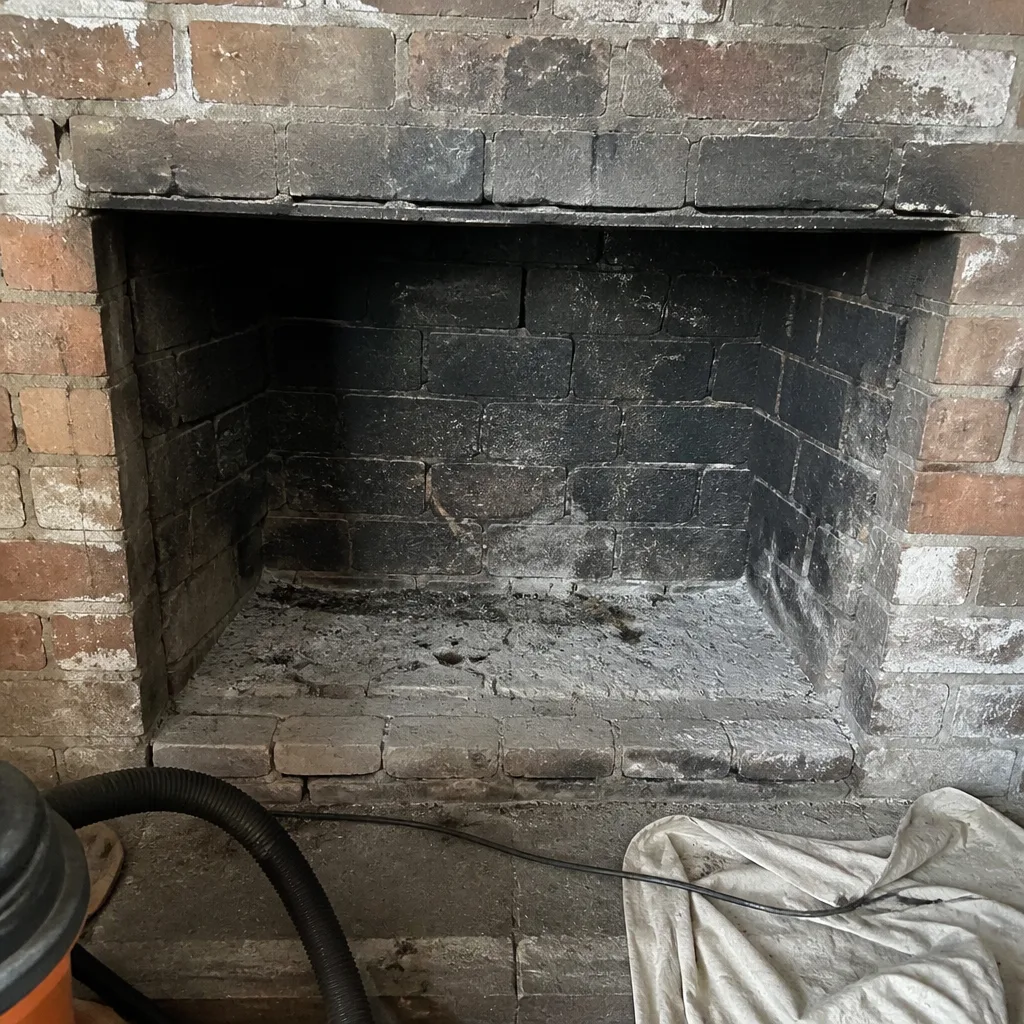
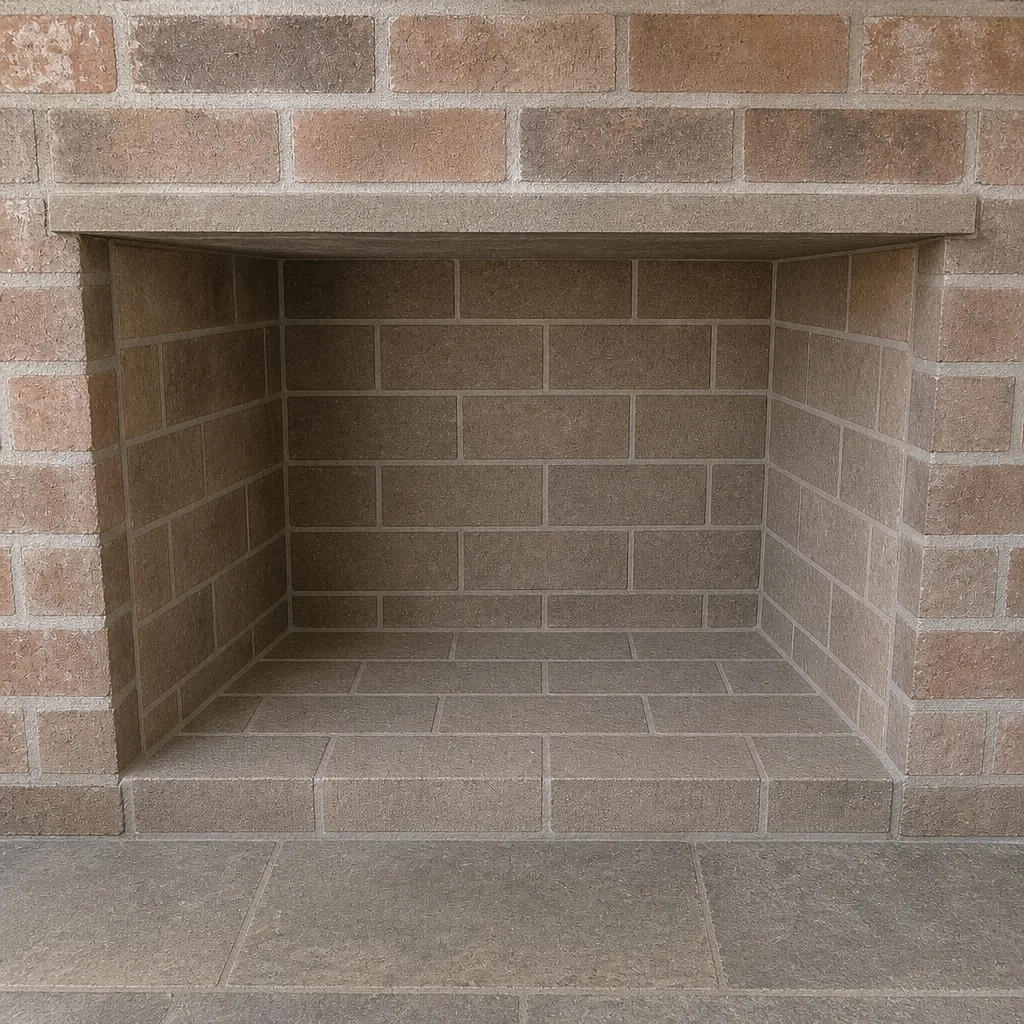
See the difference
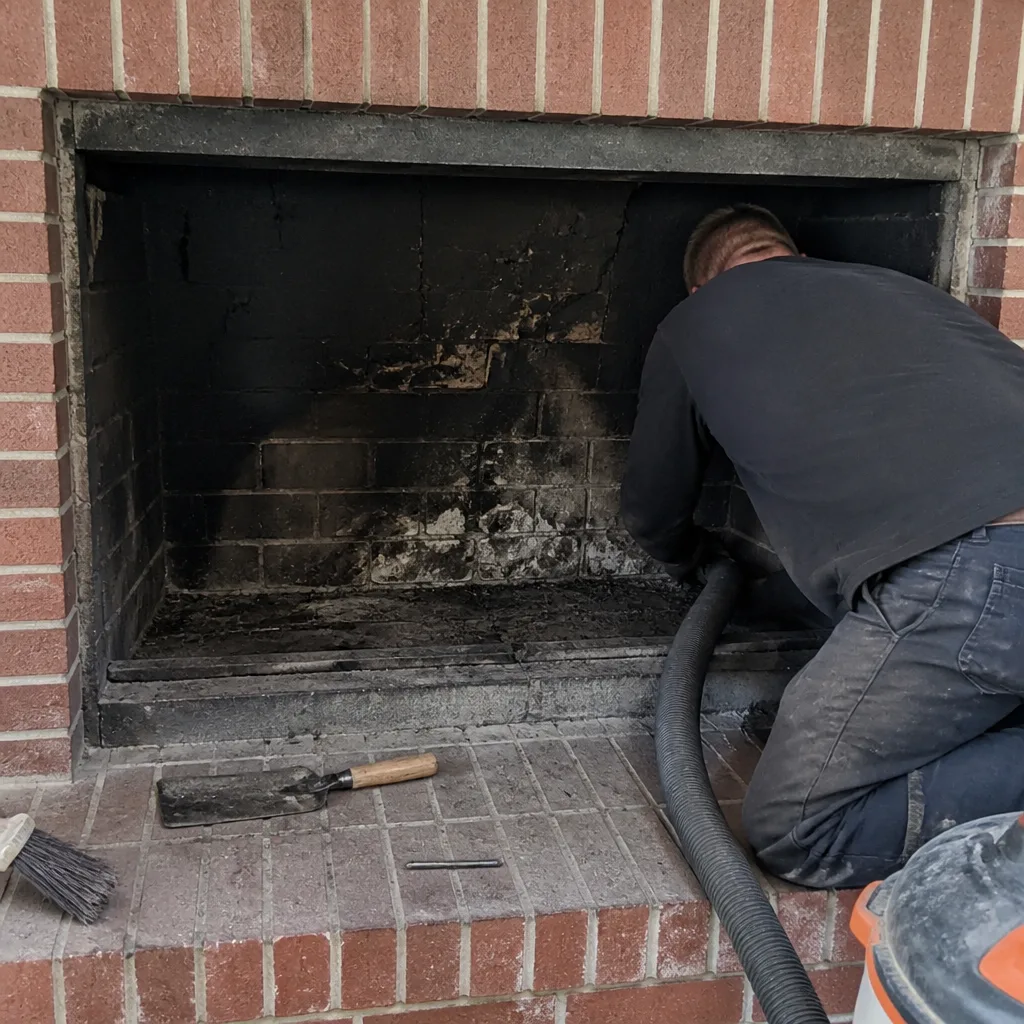 Before
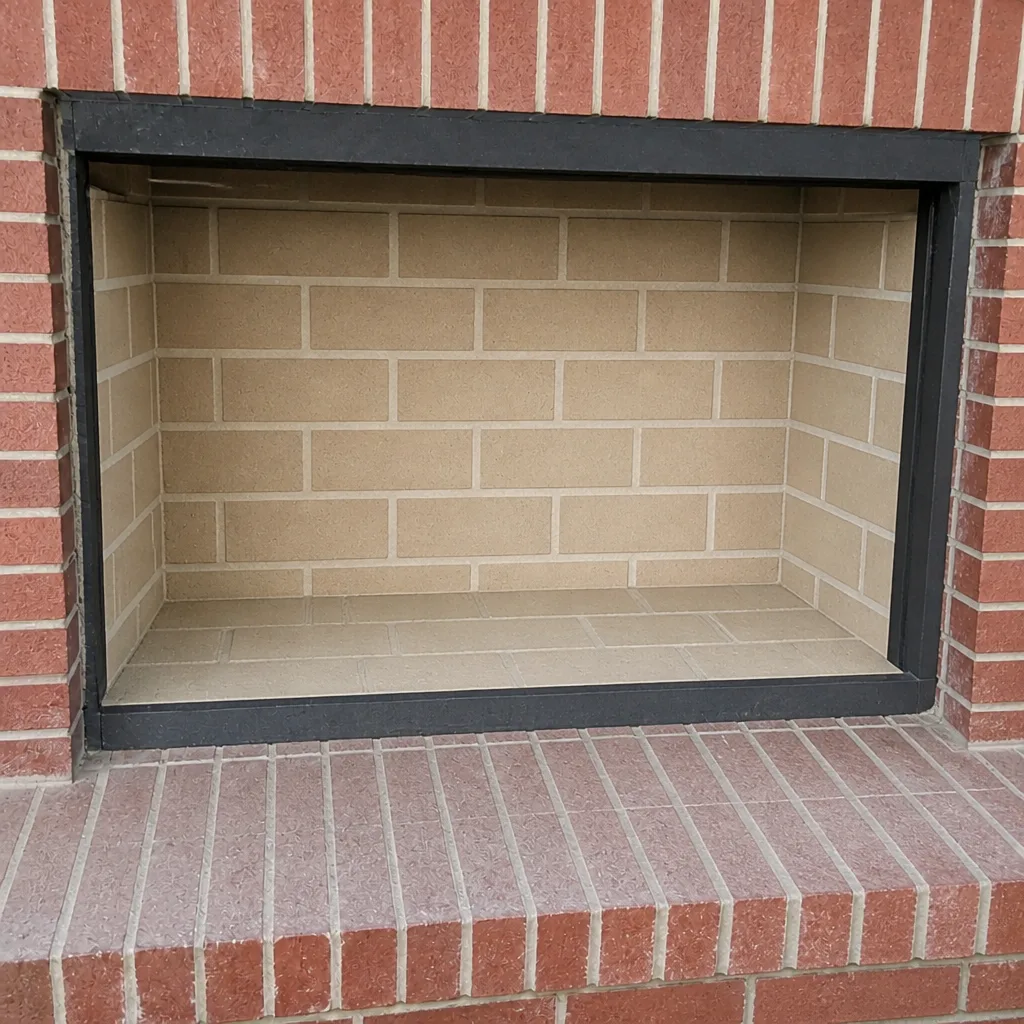 After
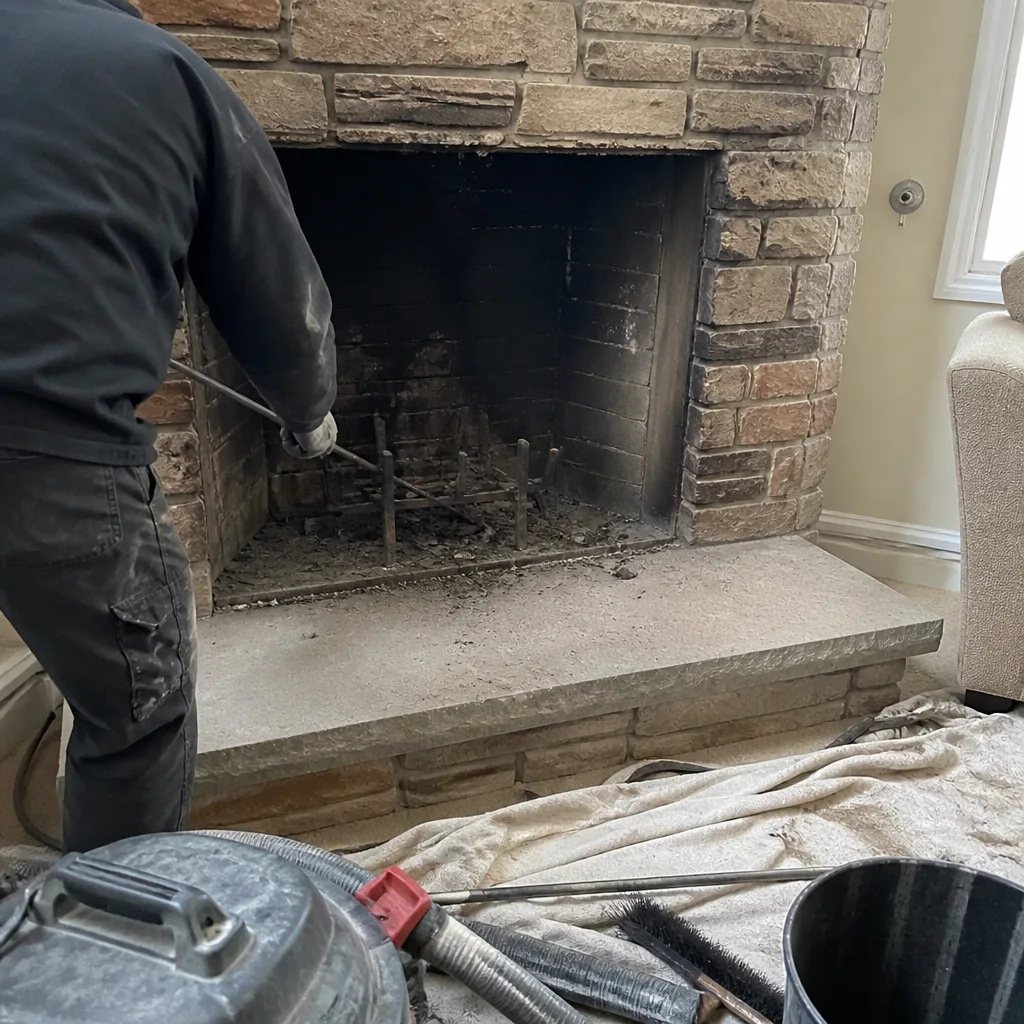 Before
 After
 Before
 After
Common Mistakes to Avoid
- Cleaning only in a crisis. Waiting until smoke backs up or the fire won’t draw means the creosote has had a full season to stage up. Book ahead of the season and you’re ahead of the problem.
- Trusting a “visual sweep” with no camera. A sweep without camera inspection can’t see an offset flue’s hidden cracks or a Stage 3 deposit above the smoke shelf. Ask for the evidence.
- Hiring a general handyman for a specialized job. A single brush on a rod can’t handle offset flues or glazed creosote, and it can damage a liner if the head is the wrong size.
- Ignoring a missing or damaged cap. In Ogden, a missing cap lets rain, birds, and debris into the flue and accelerates deterioration between seasons. It’s one of the simplest fixes with the biggest effect.
- Burning green or unseasoned wood in the inversion months. It burns cooler, produces more creosote, and adds to the valley’s smoke load. Seasoned wood and good draft go together.
- Treating a post-purchase inspection as optional. With the age of Weber County housing, a Level 2 inspection is the honest first move for a new owner, even if the firebox looks fine.
- Accepting a repair recommendation without seeing the flue. A company that won’t show you the camera footage or photos is asking for trust it hasn’t earned.
When to Call a Professional
Call a professional chimney service when you’ve burned through a full season without a sweep, when you’ve recently bought an older home in Ogden and don’t know the chimney’s history, or when you notice smoke backdrafting, a missing cap, crumbling mortar, or a persistent tar-like odor. Those are the conditions where an inspection tells you more than a cleaning alone can. A chimney fire, however small, is a reason to call before the next burn, and so is any change to the appliance or fuel. The right specialist can sweep, inspect, and repair from one visit rather than sending work out. Chimney Sweep Ogden offers free estimates in Ogden. Call (833) 918-6769. We answer 24/7, with fast dispatch from 7am to 7pm, Sunday through Friday.
Frequently Asked Questions
Chimney cleaning in Ogden typically costs $150 to $300 for a standard Level 1 sweep, with a Level 2 inspection with camera documentation running $250 to $450. Repairs are quoted separately after the inspection, and the written estimate sets the final price. Call (833) 918-6769 for an exact quote; estimates are free.
Most wood-burning homes in Ogden should be assessed every year and swept when creosote reaches about an eighth of an inch or any glazed creosote is present. Homes that burn daily through the inversion season often need a sweep each year, while occasional burners may stretch the interval after an inspection confirms it’s safe. An annual inspection is the simplest way to know.
You need a new liner when the flue has cracks, gaps, missing mortar, or glazed creosote the liner can’t be cleaned from, and a camera inspection is the only honest way to make that call. Many flues can be restored with HeatShield ceramic resurfacing rather than replaced. We don’t recommend relining without showing you the evidence. Call (833) 918-6769 to schedule an inspection.
Skipping a cleaning lets creosote move from a brushable stage into tar and glazed deposits that are harder to remove and more flammable, raising the risk of a chimney fire. A cracked or blocked flue can also let combustion gases into the home instead of up and out. Neither happens overnight, but the risk grows each season. A free estimate is the low-cost way to find out where your chimney stands.
Homeowners can do basic flue brushing on a clean, accessible chimney, but they can’t safely diagnose creosote stage, offset flues, or mortar cracks without proper tools and training. The inspection is the part that matters most, and a standard rod-and-brush kit won’t tell you what a camera reveals. For anything past soot, a trained professional should make the call.
A standard Level 1 sweep usually takes about an hour, while a Level 2 inspection with camera documentation runs longer because of the video assessment and any additional checks. Repairs found during inspection are scheduled separately. You’ll get an estimate before any work begins, so there’s no surprise at the end.
The Bottom Line
Chimney cleaning in Ogden isn’t a generic maintenance task, and the valley’s inversion winters, older masonry housing, and heavy burn seasons make it a specific one. The right job starts with an inspection, matches the cleaning method to the creosote stage, and ends with documentation of the flue’s condition, clearances, and any deficiencies. A missing cap or a crack found now is cheaper and safer to address than one discovered after a fire. Schedule before the season, ask for the camera evidence, and treat an annual inspection as the baseline. If you’re ready to book, Chimney Sweep Ogden offers free estimates, professional-grade systems from DuraFlex and HeatShield, and cap and crown work from Olympia Chimney and Famco. Call (833) 918-6769. We answer 24/7, with fast dispatch from 7am to 7pm, Sunday through Friday.
Written by the team at Chimney Sweep Ogden.