
Last updated November 24, 2026
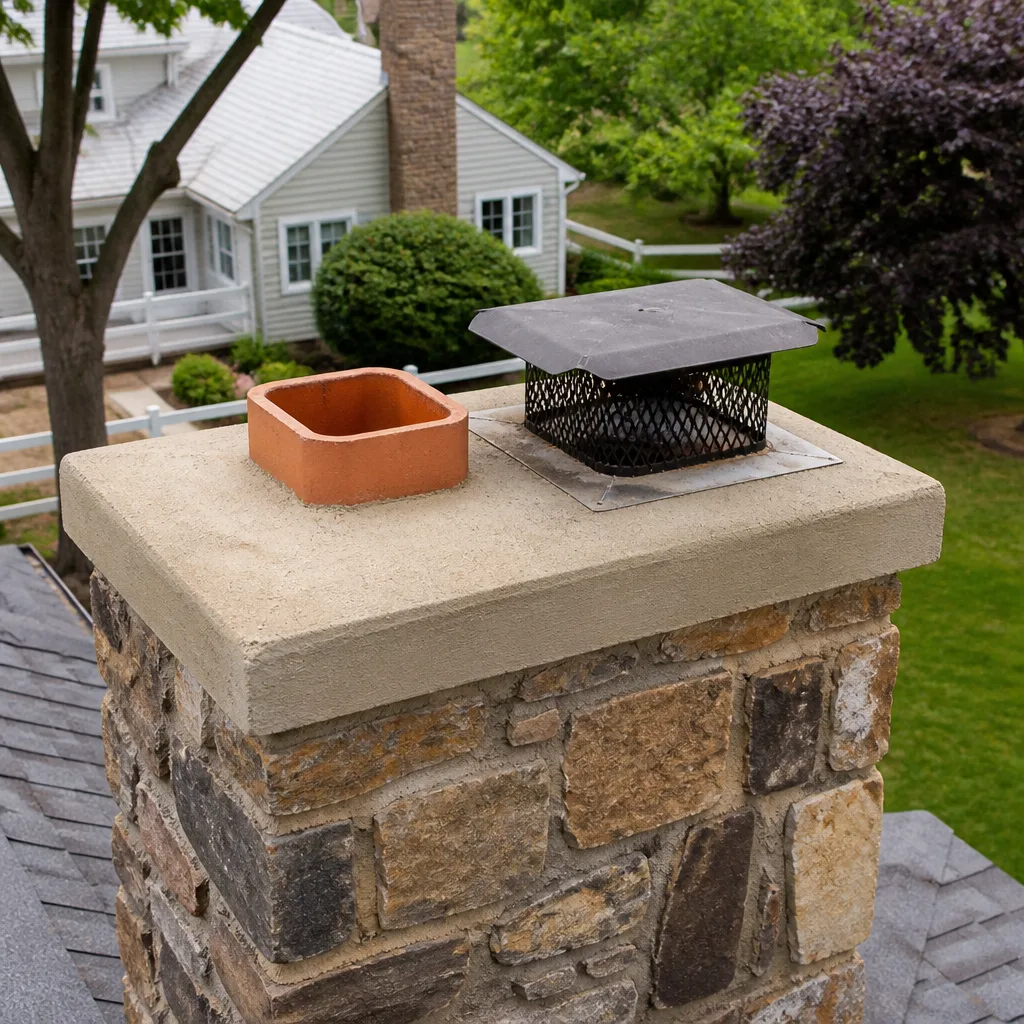 Sweep & inspection
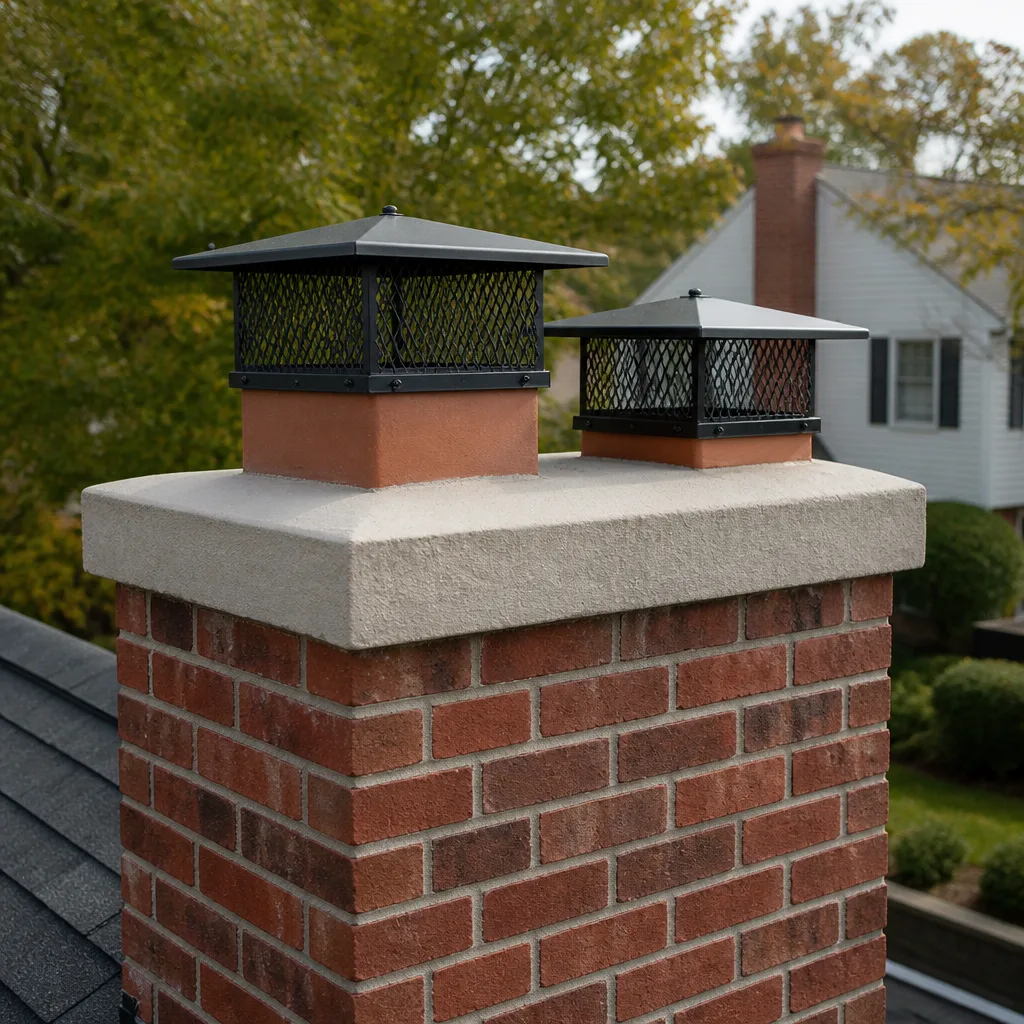 Caps & crowns
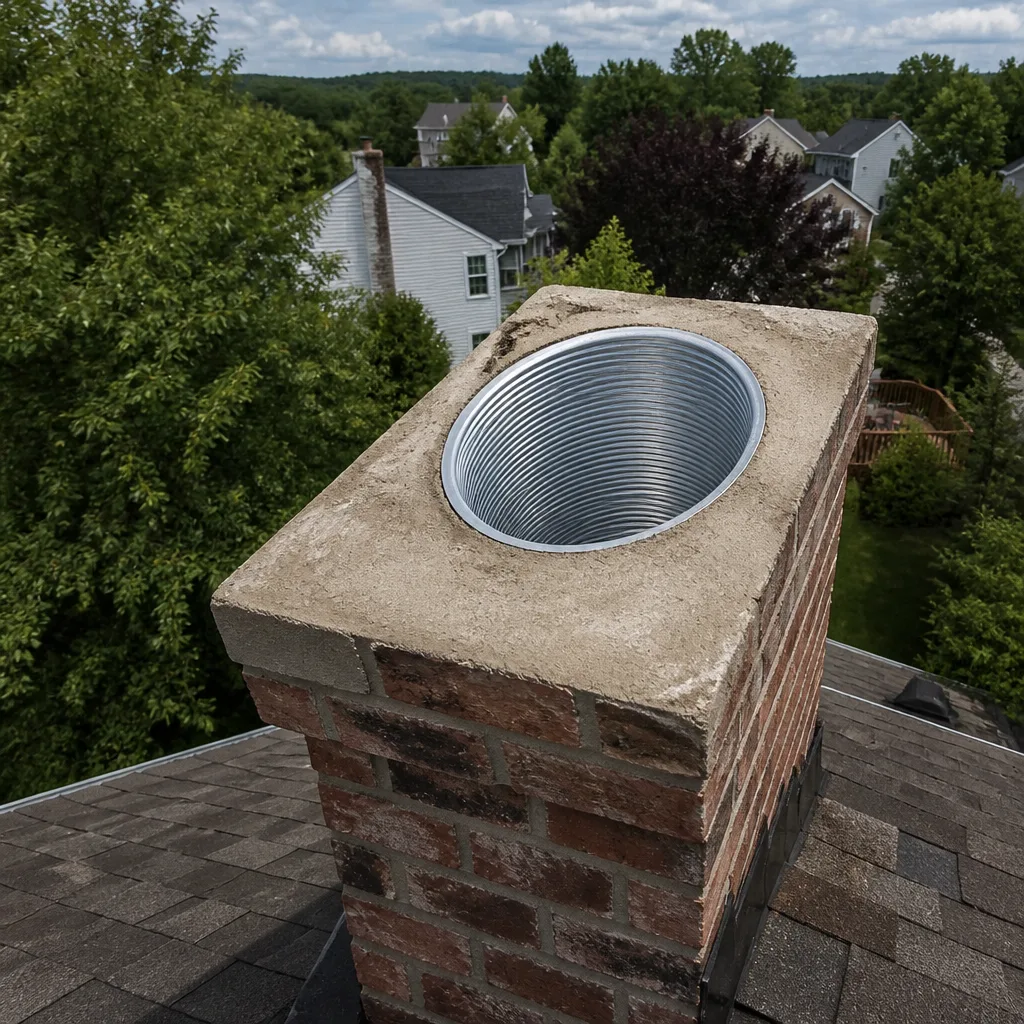 Flue relining
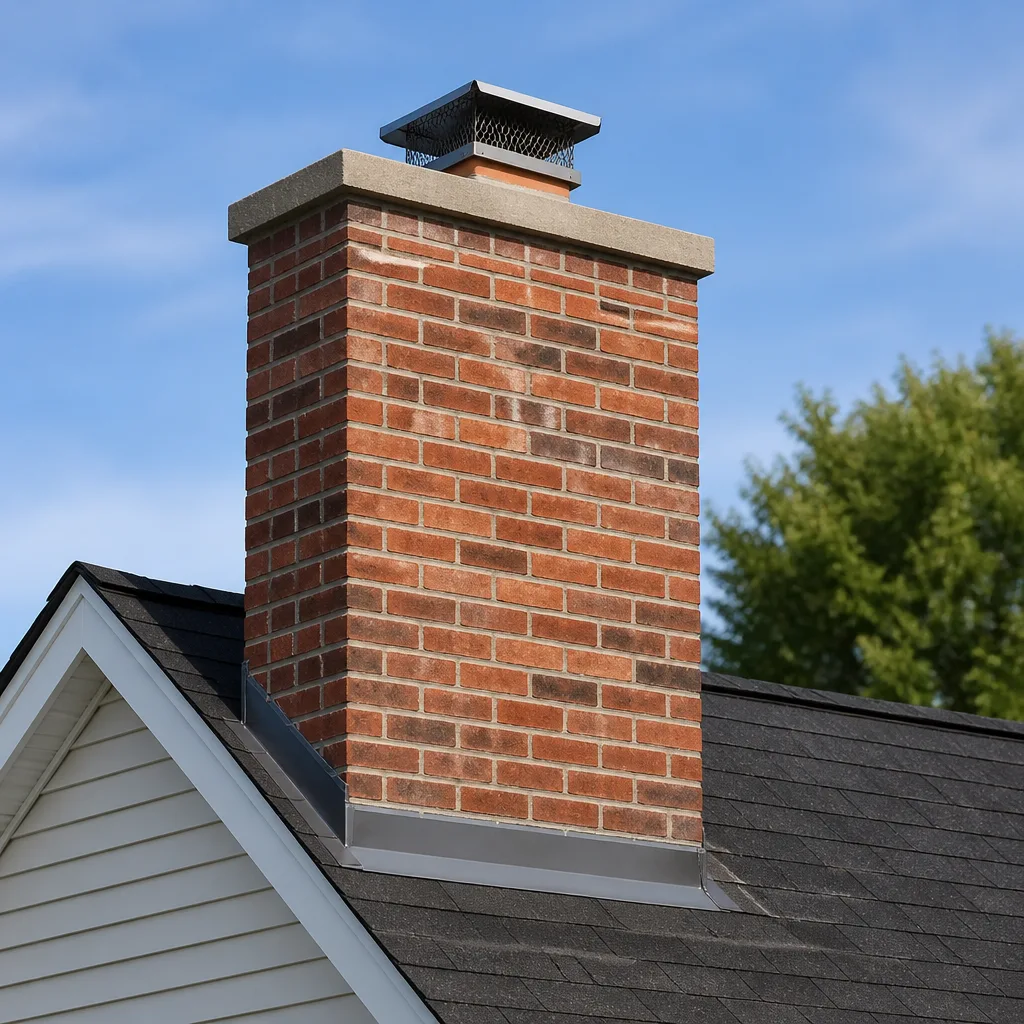 Masonry repair
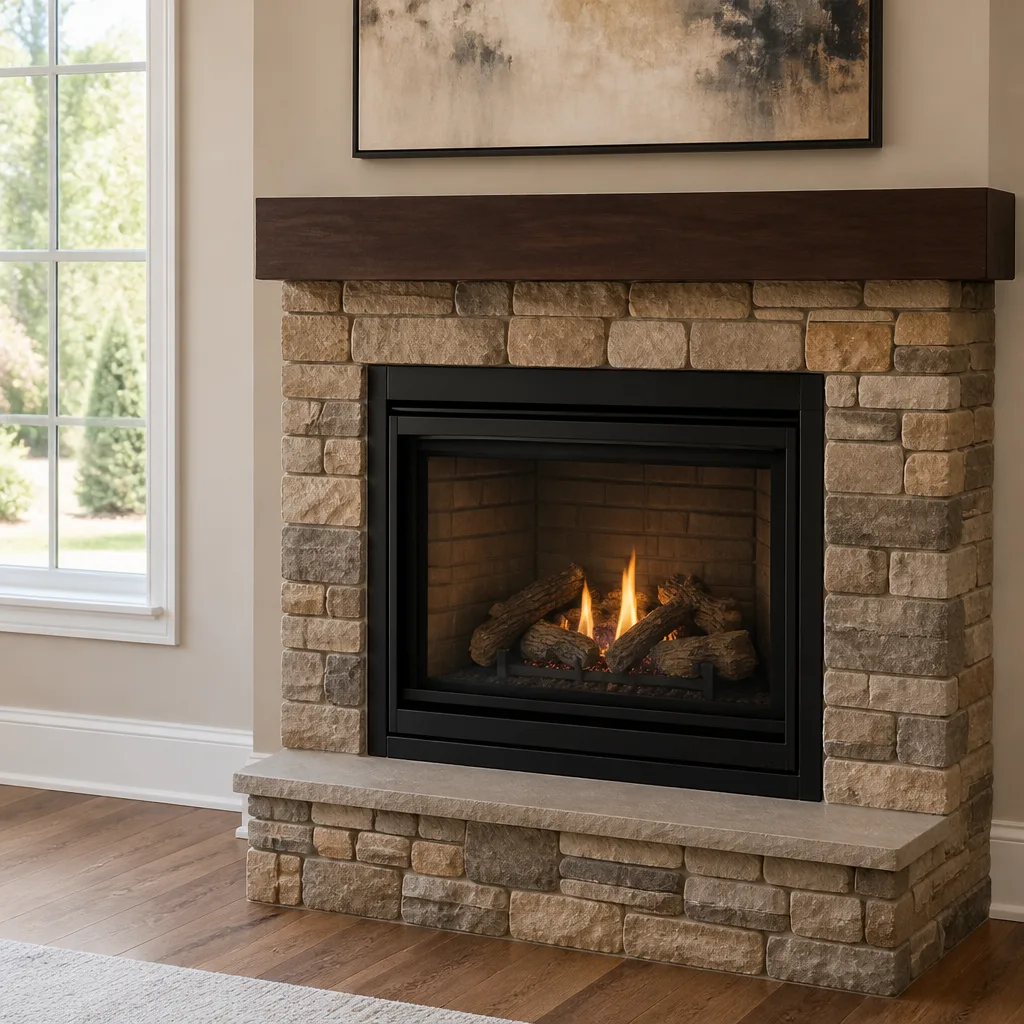 Gas fireplace service
Level 1 sweep and inspection to the NFPA 211 annual standard - flue, crown, cap, and flashing checked and photographed
Chimney sweep logs do not sweep chimneys. They loosen some creosote - which then falls where a brush and vacuum still have to collect it.
Chimney Sweep Maintenance Checklist for Ogden Homeowners
The most dangerous chimney condition we see doesn’t look dangerous at all. Stage 3 glazed creosote shows up as a shiny, hardened coating on the flue walls, and plenty of homeowners mistake it for a smooth, well-sealed surface that’s in good shape. It’s actually fuel sitting inside your chimney, and it takes a trained eye and the right tools to identify it correctly. This checklist is built differently from the generic lists you’ll find elsewhere. It splits every task into what you can safely observe yourself and what has to go to a certified sweep, and it’s written for the particular heating calendar and weather that Ogden homeowners deal with every year.
Styles & brands we work with
- Sweep & inspection
- Caps & crowns
- Flue relining
- Masonry repair
- Gas fireplace service
Quick Answer
A chimney maintenance checklist for an Ogden home has three tiers: monthly visual checks you can do yourself at the firebox, damper, cap, and crown; a professional sweep and inspection before each heating season starts; and a post-season close-down that catches damage from winter freeze cycles and snowmelt. Anything involving the flue interior, glazed creosote, cracked liner tiles, or a loose crown needs a trained technician, not a homeowner with a flashlight.
Table of Contents
- Why a Real Checklist Beats a Generic One
- Tier 1: Monthly Visual Checks You Can Do Yourself
- Tier 2: Pre-Season Preparation Before the First Burn
- Tier 3: Post-Season Close-Down for the Ogden Climate
- How to Read Your Flue With a Flashlight (Without Entering It)
- Ogden Weather Events That Demand a Re-Check
- Logging Your Maintenance History the Right Way
- Common Mistakes to Avoid
- When to Call a Professional
- Frequently Asked Questions
Why a Real Checklist Beats a Generic One
Most chimney maintenance advice on the internet reads like it was written by someone who has never stood on a roof in February. It tells you to “inspect your chimney regularly” without ever defining what a problem looks like, and it lumps everything into one bucket so you can’t tell a cosmetic stain from a structural failure. The result is that homeowners either ignore the chimney entirely or panic over something harmless. Neither helps.
A useful checklist has to do two things. It has to give you specific, observable conditions to look for, and it has to draw a clear line between things you can check and things you should never touch. That line matters more than most guides admit. A cracked crown you can see from the ground and report accurately to a sweep. A hairline crack in a flue liner tile two feet down the flue is something you’ll never identify without proper equipment, and trying to reach it yourself puts you at risk.
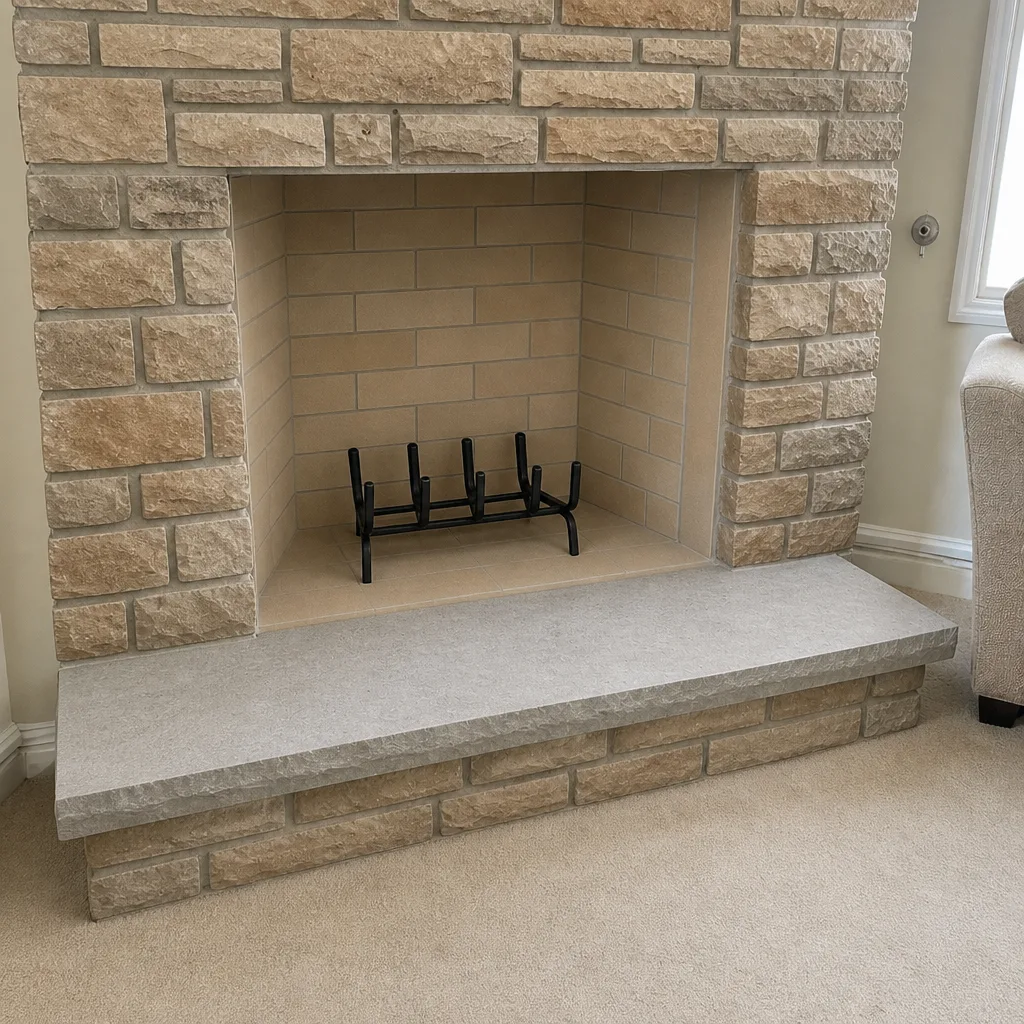
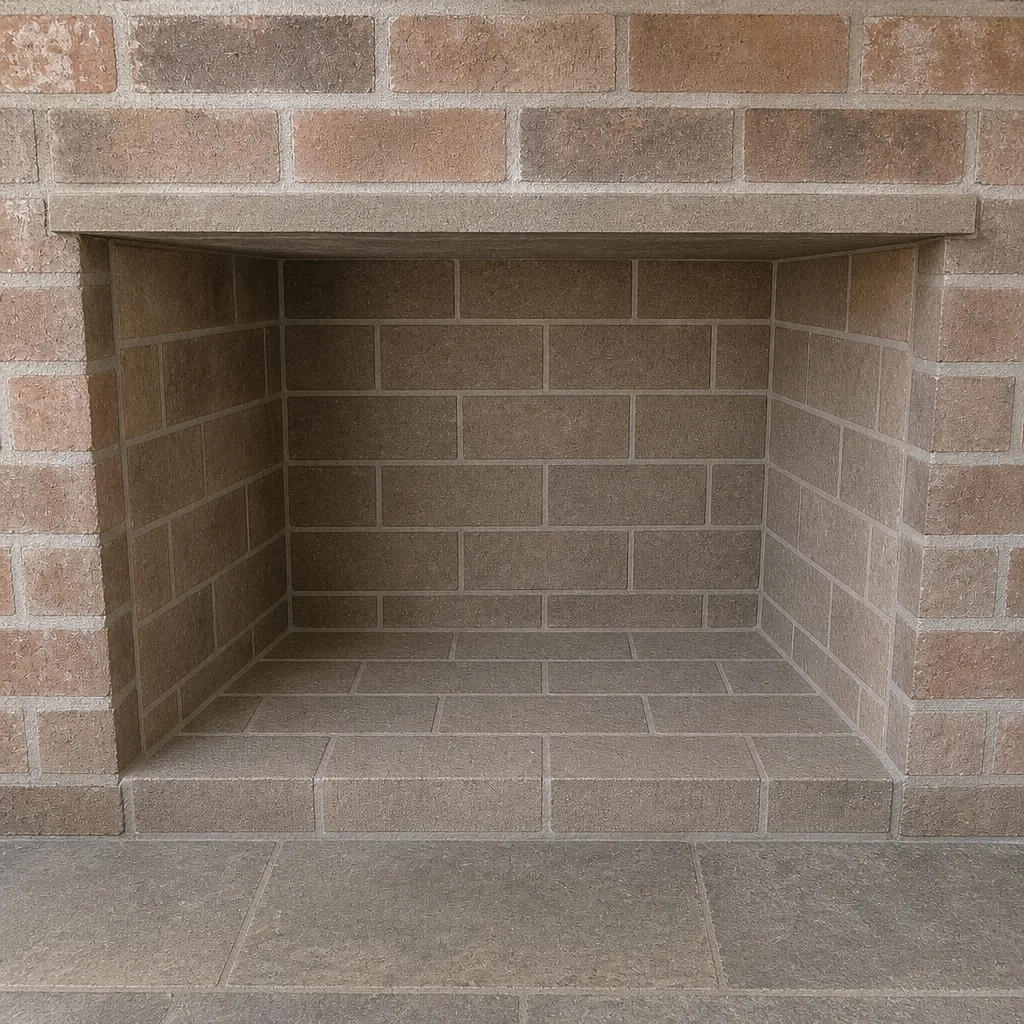
In our experience working on Ogden chimneys, the homes that stay safest are the ones where the owner keeps a simple log and knows what a normal firebox looks like. That baseline is what lets you notice when something changes. A masonry firebox that’s been swept and inspected looks a certain way: sound mortar joints, an intact damper that opens and closes smoothly, no crumbling at the smoke shelf. Once you know that picture, a fresh crack or a bit of rust on the damper handle jumps out at you. This guide is about building that picture, tier by tier, so the annual chimney sweep becomes a confirmation rather than a discovery.
The other reason a real checklist matters: not every chimney in Ogden burns wood regularly. Some homes run a gas fireplace for ambiance most nights through the cold months. Gas units still need inspection, because the venting and the firebox can develop problems even without creosote buildup. Your checklist should account for how you actually use the appliance, not some textbook average.
Tier 1: Monthly Visual Checks You Can Do Yourself
Monthly checks take about ten minutes and never require you to climb anything or open a flue. You’re looking for change, not perfection. A chimney that looks the same every month is a chimney that’s behaving. Here’s what to examine and what tells you it’s time to flag a professional.
At the firebox
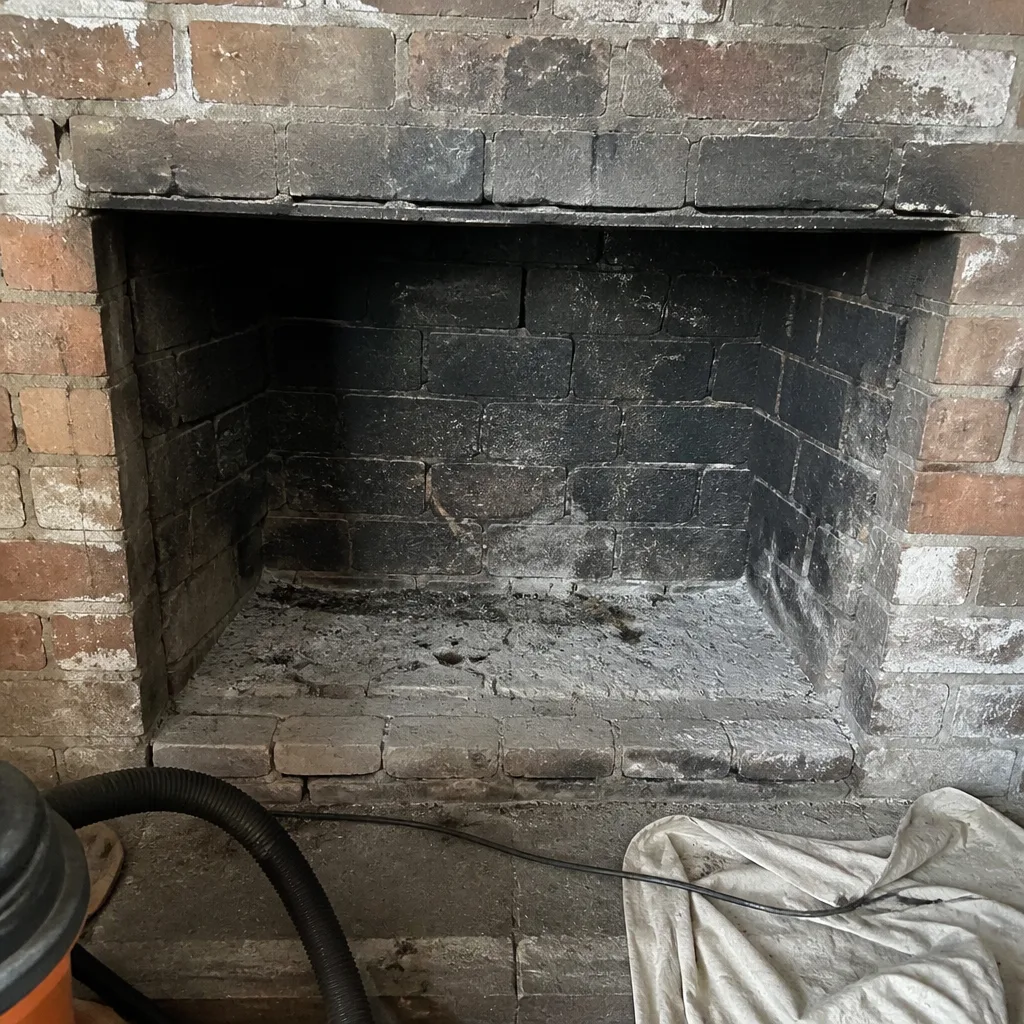
- Normal: solid brick or refractory panels with tight mortar joints, light soot dusting, no loose material on the floor of the firebox.
- Flag it: crumbling mortar between firebrick, a refractory panel with a visible crack wider than a hairline, or pieces of brick resting in the firebox after a burn. Deteriorated firebox masonry lets heat reach the structure behind it.
At the damper
- Normal: the damper plate opens and closes fully, sits flush when closed, and the handle moves without grinding.
- Flag it: a damper that sticks, won’t seal flat, or has a rusted or bent frame. A damper that won’t close lets heated air escape up the flue all winter and lets cold air down when the fireplace is idle.
At the smoke chamber
You can see the smoke chamber by looking up past the damper with a flashlight. Normal is a smooth, corbelled surface. Flag it if you see rough, crumbling parging or gaps where smoke could collect. A rough smoke chamber slows draft and gives creosote more surface to cling to.
At the cap and crown, from the ground
- Normal: the cap sits level over the flue, the mesh is intact, and the crown slopes away from the flue so water runs off.
- Flag it: a cap that’s tilted, missing mesh, or gone entirely; a crown with visible cracks or a section that looks like it’s lifting. A missing cap is an open door for rain, snow, birds, and squirrels. A cracked crown channels meltwater into the masonry.
Each check takes a minute. Write what you see in a notebook or a phone note with the date. That record is worth more than you’d expect later. If a cap goes missing in March, you’ll know it wasn’t missing in February, and you’ll have a clear timeline for the repair.
Tier 2: Pre-Season Preparation Before the First Burn
The pre-season window in Ogden is the stretch before the first sustained cold snap, when the fireplace goes from decoration to daily use. This tier is where the professional sweep belongs. Think of it as the difference between glancing at your car’s dashboard and having a mechanic put it on a lift.
- Book the sweep and inspection before the first burn. A professional sweep removes soot and creosote from the flue, firebox, and smoke chamber. The inspection that follows is the important part. It’s a chance to catch liner damage, crown cracks, and cap problems while the weather still allows unhurried repairs.
- Have the flue checked for glazed creosote. Stage 3 glazed creosote can’t be brushed away like ordinary soot. It has to be chemically treated or the liner resurfaced or replaced. HeatShield ceramic resurfacing is one route for a damaged liner; DuraFlex relining is another when the flue needs a new liner system entirely. Only an inspection tells you which applies.
- Confirm the cap and crown are sound. A properly fitted cap from Olympia Chimney or a comparable manufacturer-sourced component keeps weather and wildlife out of the flue. If the crown has cracks, this is the time to repair it, before winter freeze cycles widen them.
- Check that the damper and any glass doors operate smoothly. Sticking hardware is a small fix that becomes a nuisance once you’re lighting fires every night.
- Clear the firebox and hearth of summer clutter. Anything stored near the firebox opening should move before the season starts.
- Verify your smoke and carbon monoxide detectors work. Carbon monoxide is a genuine risk with any combustion appliance, and working detectors are the backstop that catches a venting problem early.
While the technician is on site, ask them to walk you through the inspection findings and show you any photos. Nothing should be recommended that you can’t see evidence for. If a sweep tells you the liner needs replacing, they should be able to show you the cracked tiles or deteriorated mortar that justify it. That transparency is what separates a real inspection from a sales pitch.
If you’re not sure whether your fireplace is due, the general rule is an annual sweep and inspection for any chimney that sees regular use. Homes burning wood several nights a week through the heating season accumulate creosote faster than occasional users. The Chimney Sweep Ogden team can look at your usage pattern and tell you what interval makes sense for your home.
Tier 3: Post-Season Close-Down for the Ogden Climate
Winter in Ogden asks a lot of a chimney. Repeated freeze-thaw cycles work on masonry the way a chisel works on stone: water gets into a crack, freezes, expands, and widens it. The close-down tier is where you catch the damage winter left behind before it compounds through another season.
- Inspect the crown and cap after the last burn. Look for new cracks in the crown, spalling at the edges, or a cap that’s shifted. If a winter storm was strong enough to move a cap, it’s visible now.
- Check the flashing where the chimney meets the roof. Snowmelt running down a chimney can find its way into the flashing and show up as a ceiling stain months later. A flashing problem is a roofing issue, not a chimney one, but it’s worth flagging to whoever handles your roof.
- Look at the firebox and hearth for cracks that appeared over the winter. Freeze cycles can crack refractory panels and hearth masonry. Small cracks in hearth brick are usually cosmetic; cracks in the firebox refractory are not.
- Sweep out ash, but leave a thin bed. A small layer of ash on the firebox floor helps insulate the next fire. A thick layer reduces airflow and draft.
- Note the creosote condition before closing up for the season. If you saw heavy buildup over the winter, schedule the sweep early rather than waiting for autumn.
- Close the damper and check it still seats. A damper that warped or seized over the winter should be repaired before fall.
The post-season close-down is also where a maintenance log earns its keep. Recording what you found and when gives you a documented history. If you sell the home, that history is useful in disclosures. If you ever file an insurance claim connected to a chimney problem, being able to show regular maintenance and inspection is meaningful. Insurers look differently at a homeowner who can document annual sweeps than one who can’t.
If the close-down turns up a problem that needs repair, this is the ideal time to handle it. The off-season is when a chimney cap & crown repair or a liner project can be scheduled without the pressure of a cold snap looming.
How to Read Your Flue With a Flashlight (Without Entering It)
You can learn a lot about your flue from the firebox opening without ever reaching into it. The process is observation, not intervention. This is a safe, useful skill, and it gives you something concrete to describe to a sweep when you call.
- Open the damper fully and let your eyes adjust to the dark. Stand back from the firebox and let the flue opening become visible.
- Shine a strong flashlight up the flue at an angle. You’re looking for how the walls reflect light. A clean flue shows masonry or liner surfaces with a matte, even tone.
- Watch for a shiny, glassy, or tar-like coating. That’s the signature of glazed creosote. It can look like a black or dark-brown varnish. It looks deceptively smooth, which is exactly why so many homeowners assume it’s normal. It is not. Glazed creosote indicates a fire risk and needs professional treatment.
- Look for flaky, soot-like deposits about the texture of coffee grounds. That’s lighter, brushable creosote. It still needs a sweep, but it’s the more typical condition.
- Check for a visible offset or missing section of liner. You may not see far up the flue, but you’ll often see the first foot or two. Cracks or gaps in liner tiles at that level should be reported.
- Never climb into the flue or insert tools beyond the firebox opening. The flue and smoke chamber are not a place to do your own inspection. Leave that to a trained technician.
This is the safe, useful way to use a flashlight. It’s a way to gather information for a conversation, not a substitute for a professional inspection. If what you see concerns you, photograph it through the opening and show the photos to a sweep. They can tell you a lot from a clear image, and they’ll confirm it during the actual inspection.
A word of caution about the roof: don’t climb it. Height work on a pitched roof, especially in wet or icy conditions, is a serious fall hazard. The chimney cap and crown are visible from the ground with binoculars, and anything requiring closer inspection is a job for someone trained and equipped for it. That division of labor is exactly what a specialist sweep provides.
Ogden Weather Events That Demand a Re-Check
A monthly routine is a good baseline, but Ogden’s weather can create problems faster than a monthly calendar catches. After certain events, walk outside and look at the chimney before your next fire. Three specific conditions cause the most chimney trouble here.
Heavy snowmelt
When a deep snowpack on the roof melts quickly, water runs down the chimney’s exterior. If the crown is cracked or the flashing has failed, that meltwater finds its way in. After a heavy melt, look for water staining on the masonry and check inside for dampness around the fireplace or ceiling near the chimney.
Freeze-thaw cycles
Ogden gets dramatic temperature swings in late winter and early spring, and those swings are hard on masonry. Water that seeps into a hairline crack in the crown or the mortar joints freezes overnight and expands, then thaws and refreezes the next night. Each cycle widens the crack a little. That’s why a small crown crack in December can be a significant repair by March. Catching it early is the whole point of the post-season check.
High-wind storms
Strong winds can lift or displace a chimney cap and, in extreme cases, crack a crown at its weakest point. After a serious wind event, look at the cap from the ground. If it’s tilted, missing, or its mesh is damaged, the flue is exposed to weather and wildlife. A displaced cap is worth a call to a sweep, because reinstalling or replacing a manufacturer-sourced cap from Olympia Chimney or a similar supplier is a quick, sensible fix compared to the damage an open flue invites.
One note on hail: hail is uncommon in Ogden, so a hailstorm isn’t the chimney threat it is in some parts of the country. The real risks here are wind, meltwater, and frost. That distinction matters when you’re deciding whether a recent storm warrants a look.
Logging Your Maintenance History the Right Way
A maintenance log is one of those things that feels like busywork until you need it. When it matters, it matters a lot, and a simple record makes all the difference. Here’s what to capture and why.
- Date and type of service. Every sweep, inspection, and repair, with a one-line description. “Sweep and inspection” plus the date is enough to start.
- Who performed it. The company name and a copy of any invoice or inspection report. Keep reports with your home records, not in a junk drawer.
- Findings and recommendations. Note what the inspection found, including anything the sweep said “can wait” and when they suggested revisiting it. Recording a deferred recommendation shows you were informed and chose a timeline, which is different from having no record at all.
- Photos. Keep any photos the inspection provides. A dated photo of a sound liner is a useful baseline; a dated photo of a crack is proof of when it was documented.
- DIY observations. Your monthly checks deserve a line. “Feb 12: cap secure, no new firebox cracks” is a useful entry.
This log serves three purposes. For insurance, it documents that you maintained the system responsibly, which matters if a chimney-related claim ever comes up. For a future home sale, it’s material for disclosures and gives a buyer confidence about the fireplace. For you, it’s a way to spot patterns, like a crown that keeps cracking in the same spot each spring, which might point to a drainage issue worth fixing at the root.
Keep the log where you’ll actually update it. A folder with the home’s other records works well. Digital or paper both work; consistency is the only requirement. If you’d rather have the sweep keep the records on your behalf, Chimney Sweep Ogden provides inspection reports that document what was found, so you always have a written record even if your own log slips.
Common Mistakes to Avoid
- Mistaking glazed creosote for a clean flue. The shiny, hardened coating of Stage 3 creosote looks like a smooth, sealed surface to an untrained eye. If the flue walls look glassy or varnished instead of matte, that’s a professional issue, not a good sign.
- Waiting until the first cold snap to call. Scheduling a sweep right before the first freeze means you’re competing for appointments and rushing repairs. Book the pre-season sweep early, while the weather allows a repair to be done without a scramble.
- Skipping the post-season check. Winter damage in Ogden happens quietly, through freeze-thaw cycles that widen cracks a little at a time. If you don’t look in spring, you discover the damage in fall when it’s worse and more expensive to fix.
- Treating a missing cap as a minor cosmetic issue. An open flue invites rain, snow, birds, and squirrels, and it lets creosote and masonry degrade faster. Replacing a manufacturer-sourced cap is straightforward; water damage to a smoke chamber is not.
- Diagnosing from the ground and skipping the inspection. A cracked crown is visible; a cracked liner tile is not. Ground checks tell you when to call, never whether the flue is safe.
- Accepting a recommendation you can’t verify. If a repair is recommended, ask to see the photos or the inspection evidence. A real specialist will happily show you; a sales pitch will resist it.
- Climbing the roof to check the cap yourself. Height work on a pitched, possibly icy roof is a genuine fall hazard. Ground-level checks with binoculars cover what you need to see; everything else is a professional’s job.
When to Call a Professional
Call a professional sweep when any of these apply: it’s been a season of regular burning since your last sweep, you see glazed or glassy creosote on the flue walls, a monthly check turns up cracked firebox refractory or crumbling mortar, the crown has visible cracks, the cap is missing or displaced, or smoke backdrafts into the room when you light a fire. Backdrafting can point to a blocked flue, which is a carbon monoxide concern and worth prompt attention. Carbon monoxide is a real hazard with any combustion appliance, and a blocked or damaged flue is exactly the kind of problem that produces it. Don’t run the fireplace until the flue is checked. Anything involving the flue interior, liner condition, or structural masonry is a job for a trained technician with the right tools, and the same goes for roof-level work. Chimney Sweep Ogden offers free estimates in Ogden. Call (833) 918-6769. We answer 24/7. Fast dispatch from 7am to 7pm, Sunday through Friday.
Frequently Asked Questions
Once a year for homes that burn wood regularly through the heating season, and more often if you burn heavily or notice fast creosote buildup. Annual sweep and inspection is the standard for any actively used fireplace. If you burn only occasionally, ask a sweep during your inspection what interval fits your usage. Call (833) 918-6769 for an exact quote. Estimates are free.
Glazed creosote looks like a shiny, hardened, tar-like coating on the flue walls, and it looks deceptively like a smooth sealed surface rather than a problem. It’s dangerous because it’s concentrated fuel lining the flue, and it can’t be brushed away like ordinary soot. Treatment options range from chemical treatment to liner resurfacing with a system like HeatShield, or relining with DuraFlex if the liner itself is compromised. An inspection tells you which applies. Call (833) 918-6769 to book one.
You can safely look up the flue from the firebox opening with a strong flashlight to get a general sense of creosote buildup and check for obvious liner damage near the opening. That’s a useful observation tool, not an inspection. Anything deeper, and anything on the roof, requires a trained technician with proper equipment.
Ogden’s heavy snowmelt, freeze-thaw cycles, and high-wind storms can damage a chimney faster than a monthly check catches. Meltwater finds cracks in the crown, freeze cycles widen them, and wind can displace a cap or crack a crown.
Not always, and you should never take a liner replacement on faith. A new liner is warranted when inspection evidence shows cracked or deteriorated tiles or a flue that glazed creosote has compromised. If a sweep can’t show you photos or an inspection report justifying the liner, get a second opinion. Liner restoration with HeatShield and full relining with DuraFlex are both options a specialist can explain. Call (833) 918-6769 for a free estimate.
Skipping it lets creosote accumulate, which raises the risk of a chimney fire, and lets small structural problems grow into expensive repairs. A crown crack that a spring check catches is a modest repair; the same crack left through another winter’s freeze cycles can mean a larger crown and masonry job. The safety concern, plus the cost of deferred repair, is why an annual sweep and inspection is worth keeping up with. Call (833) 918-6769. We answer 24/7. Fast dispatch from 7am to 7pm, Sunday through Friday.
The Bottom Line
A good chimney maintenance checklist isn’t a list of things to fix. It’s a way of knowing what’s normal, so you notice when something changes. Do your monthly visual checks at the firebox, damper, cap, and crown. Book the pre-season sweep and inspection before the first cold snap. Run the post-season close-down to catch what Ogden’s freeze-thaw cycles left behind. Keep a simple log, because documented maintenance matters for insurance and for the future sale of your home. And know the line between what you can safely observe and what belongs to a trained sweep. Everything past the firebox opening, and everything on the roof, is that second category. When it’s time for the annual sweep, or when a check turns up something you’d rather have verified, Chimney Sweep Ogden is a single source for the sweep, the inspection, and any fireplace repair or structural work that follows. One specialist handles the whole system, using professional-grade liner and restoration products like DuraFlex, HeatShield, Gelco, and Olympia Chimney. Call (833) 918-6769 for a free estimate. We answer 24/7. Fast dispatch from 7am to 7pm, Sunday through Friday.
Written by the team at Chimney Sweep Ogden.
See the difference
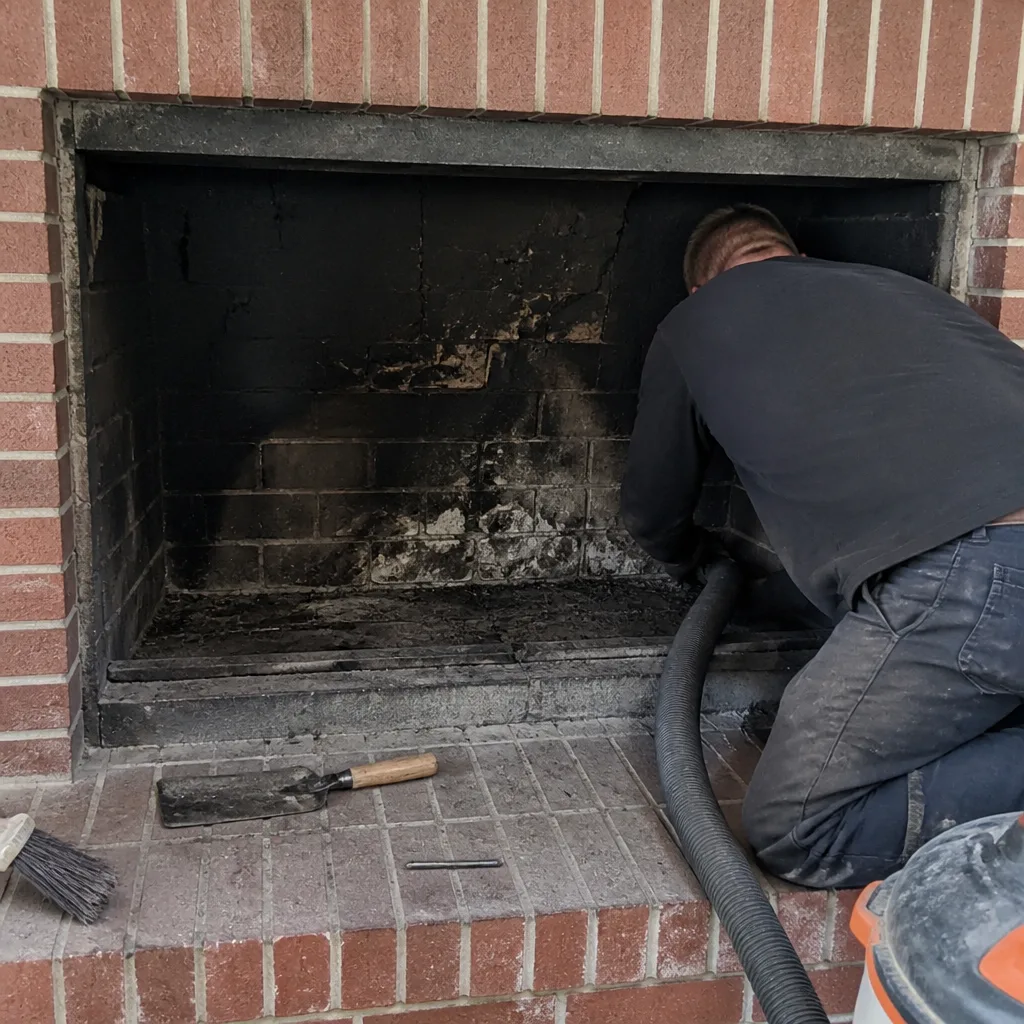 Before
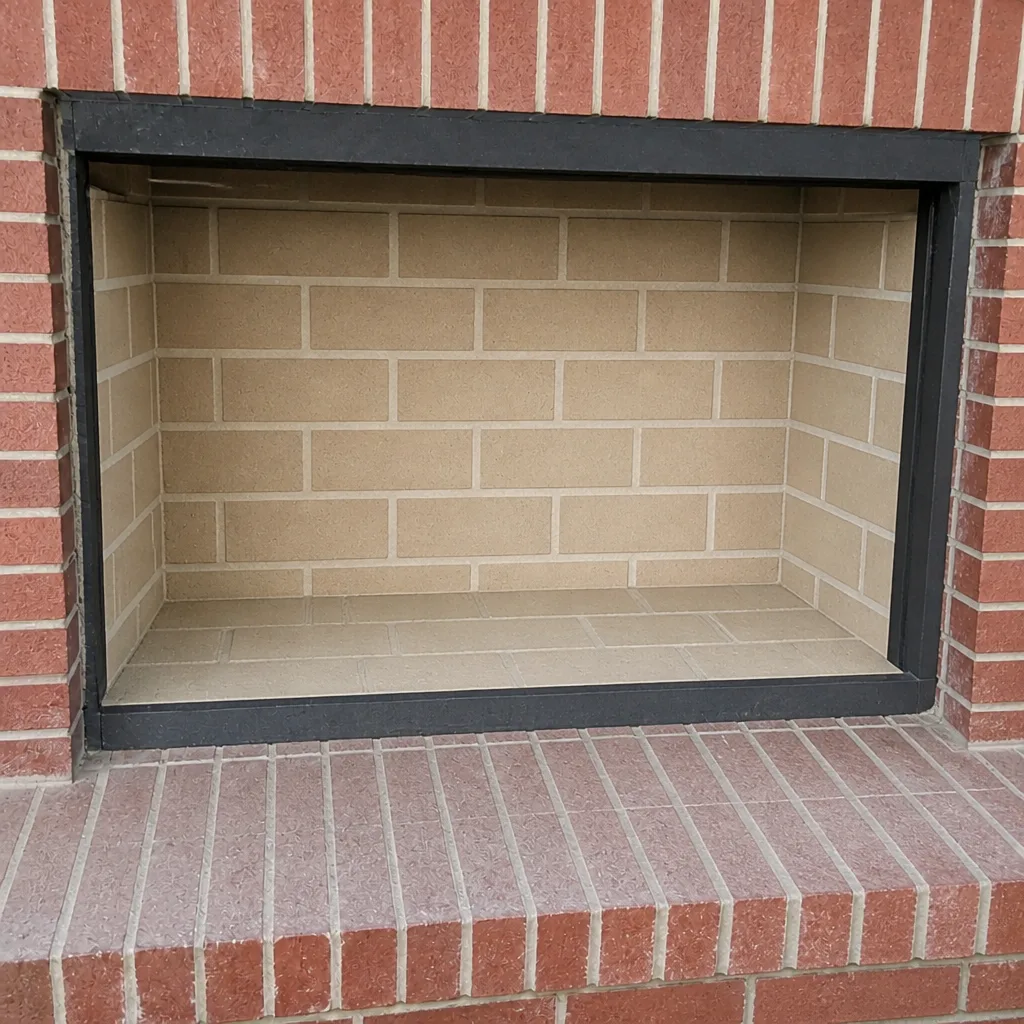 After
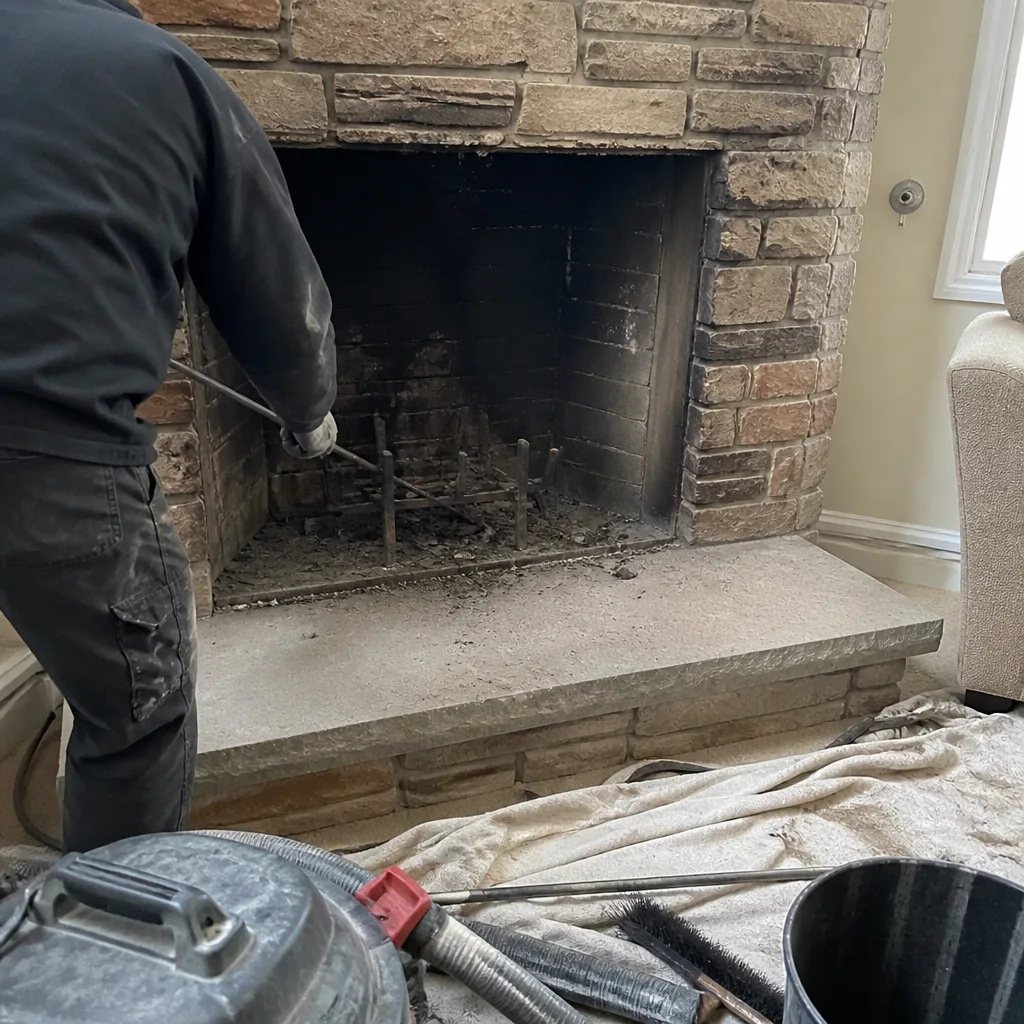 Before
 After
 Before
 After