
Last updated November 24, 2026
 Sweep & inspection
 Caps & crowns
 Flue relining
 Masonry repair
 Gas fireplace service
Level 1 sweep and inspection to the NFPA 211 annual standard - flue, crown, cap, and flashing checked and photographed
Chimney sweep logs do not sweep chimneys. They loosen some creosote - which then falls where a brush and vacuum still have to collect it.
Chimney Sweep Troubleshooting in Ogden: Common Problems and How to Fix Them
If your fireplace smokes into the room every time wind comes off the Wasatch Front, you don’t have a “drafty fireplace.” You have a pressure differential problem with a known fix, and it’s frequently misdiagnosed as a damper issue by general handymen who don’t work on chimneys every day. The same goes for slow draws, mystery odors, and the black streaks above a fireplace opening. Most of what Ogden homeowners chalk up to old-house quirks has a specific, diagnosable cause. This guide maps symptoms to root causes, so you stop treating effects and start fixing the actual problem. You’ll learn how to tell a cleaning issue from a structural one before you call anyone, why Ogden’s canyon winds and elevation create draft problems that are rare at lower altitudes, and which problems can wait versus which need a certified sweep within days. If you’d rather talk it through, call (833) 918-6769. We answer 24/7.
Quick Answer
Most chimney problems in Ogden fall into four root causes: creosote buildup, a damaged or missing flue liner, negative air pressure inside the home, and water damage to the masonry or crown. Smoke backdraft, slow draw, and odors are symptoms, not causes, and each one points to a different structural origin. A certified inspection with a camera identifies which of the four you’re dealing with before any repair is recommended. Nothing should be sold to you without visual evidence of the problem.
Key Takeaways
- Smoke backdraft, slow draw, and no draw are three different problems with three different fixes. Don’t treat them as one.
- Ogden’s canyon wind patterns and higher elevation change how a chimney drafts compared to lower-altitude cities.
- Creosote odor and masonry decay odor smell different. Learn to tell them apart before you call.
- Tight modern homes create negative pressure that can make a healthy chimney act broken.
- Some problems are safe to monitor for a few weeks. Others need a certified sweep within days.
Styles & brands we work with
- Sweep & inspection
- Caps & crowns
- Flue relining
- Masonry repair
- Gas fireplace service
Table of Contents
- Symptom-to-Cause Mapping: What Your Chimney Is Telling You
- Smoke Backdraft, Slow Draw, and No Draw: Three Different Problems
- Why Ogden’s Wind and Elevation Create Draft Problems
- Creosote Odor vs. Masonry Decay Odor: How to Tell the Difference
- Negative Air Pressure in Tight Modern Homes
- Liner Damage: The Problem Behind Most Repeat Troubles
- Caps, Crowns, and Water Damage
- What’s Safe to Monitor and What Needs a Sweep Now
Symptom-to-Cause Mapping: What Your Chimney Is Telling You
Chimneys don’t fail silently. They give you a symptom first, and that symptom points to a specific problem inside the system. When we run a diagnostic in an Ogden home, we work backward from the symptom the homeowner describes. That approach is faster and more accurate than starting with a guess about the liner or the firebox.
Here’s how the mapping works in practice:
- Smoke rolls into the room on ignition, then clears: usually a cold-flue or pressure problem, not a blockage.
- Smoke comes back continuously while the fire burns: often a flue sizing or liner issue.
- Weak, lazy flame that won’t sustain: insufficient draft, frequently tied to elevation, flue height, or a blocked cap.
- No draw at all, smoke hangs in the firebox: could be a total obstruction, a collapsed liner section, or a bird nest in the flue.
- Smoky, acrid smell when the fireplace is not in use: creosote, unless the smell is damp and earthy, which points to water in the masonry.
- White chalky staining on the exterior brick: water moving through the masonry, usually a crown or flashing problem.
- Black streaks above the fireplace opening: chronic backdraft, not just an occasional smoky fire.
The point is that “my chimney smokes” is not a diagnosis. The pattern of when it smokes, how long it lasts, and what the flame does tells a trained eye which of four or five root causes you’re looking at. In our experience, the homeowner’s description of those patterns is often more useful than a quick visual glance at the firebox. We inspect before we recommend, not the other way around, and a proper inspection starts with listening to how the chimney behaves on the days it misbehaves. Our Chimney Sweep Ogden service is the starting point for that diagnostic visit, and it’s a standalone inspection, not a sales tool for a repair.
Smoke Backdraft, Slow Draw, and No Draw: Three Different Problems
These three symptoms get lumped together as “a smoking chimney,” but they have separate causes and separate fixes. Treat them as one problem and you’ll spend money on the wrong repair.
Smoke backdraft
Backdraft is smoke pushed backward down the flue into the room. It often happens at fire-up, when the flue is cold, or when wind is coming across the roof at a specific angle. The cause is a pressure differential between the house and the outdoors, and it can also be caused by a flue that’s too short, a flue that’s too large for the firebox, or an oversized firebox opening relative to the flue. Backdraft that only happens on windy days is usually a pressure or termination issue. Backdraft that happens every time you light a fire, regardless of weather, points to a sizing or liner problem.
Slow draw
Slow draw means the fire burns but weakly. The flame is lazy, the fire isn’t getting enough air, and smoke drifts rather than rises. In Ogden this is often a combination of two things: elevation affecting the stack effect and a flue that’s marginal on height. A flue that drafts fine at sea level can struggle in a valley at altitude. Add a partial obstruction from creosote or a screen that’s clogged with soot, and a marginal flue becomes a slow-draw flue.
No draw
No draw at all is the serious one. Smoke stays in the firebox and won’t clear. Causes include a full obstruction (nested birds, a collapsed liner, or heavy creosote blockage), a flue that’s completely blocked by debris, or a cap with a mesh screen that has sealed over. No draw is a stop-and-call situation because a fire that can’t vent will push carbon monoxide into the room instead of up the flue.
Safety note: carbon monoxide is odorless. If you have a fire burning and the smoke won’t clear, put the fire out, ventilate the room, and have the chimney inspected before you burn again. Don’t try to diagnose a fully blocked flue with a flashlight from the firebox.
Why Ogden’s Wind and Elevation Create Draft Problems
Ogden sits in a spot that’s hard on chimney draft. The city is in a valley along the Wasatch Front, at an elevation that reduces the density of air moving through the flue. That matters because draft depends on a temperature difference and the weight of the column of air in the chimney. Thinner air at elevation means less of the natural pressure difference that drives a chimney. A flue that drafts fine in a coastal city can struggle here.
The canyon wind patterns add a second variable. Wind coming off the Wasatch Front hits rooflines and creates turbulence around chimney terminations. A cap that faces one direction works fine on a calm day and creates a downdraft on a day when wind comes over the ridge from a different angle. In our experience, a large share of the “my fireplace only smokes when it’s windy” calls in Ogden trace back to a termination problem: the cap type, the cap height, or the flue’s relationship to the ridge line.
There’s a seasonal factor too. Ogden burns wood in fall and winter, and the valley occasionally experiences temperature inversions that trap cold, dense air near the ground. On inversion days, the outdoor air can be warmer and denser than the air in the chimney, and that flips the pressure balance. A chimney that drafted perfectly all week can suddenly struggle on an inversion morning. That’s not a broken chimney. It’s a chimney responding to a weather pattern specific to the valley, and the fix is usually about improving the flue’s termination and reducing the impact of the pressure environment.
None of this is guesswork. A trained eye can tell from the symptoms and a camera inspection whether you’re looking at an elevation-related draft problem, a wind-related termination problem, or a structural issue that just happens to show up on windy days. Getting that distinction right is the whole point of a proper diagnostic. Our full chimney sweep service includes that inspection, and we book it around the season rather than tying it to an hourly window, because the urgency here is seasonal, not hourly.
Creosote Odor vs. Masonry Decay Odor: How to Tell the Difference
Odors that show up when the fireplace is not in use are one of the most misunderstood symptoms we see. Homeowners get used to a smell and assume it’s normal. Two very different problems produce two very different smells, and the distinction determines whether you need a cleaning or a structural repair.
Creosote odor
Creosote is the byproduct of incomplete combustion that builds up on the flue walls. Its smell is sharp, acrid, and smoky, and it’s strongest on warm, humid days when the chimney isn’t drafting. In Ogden, that’s often in spring when the heating season ends but a fire was burning weeks earlier. The smell comes down the flue into the house because there’s no upward draft to carry it away. Creosote odor points to a cleaning issue. The fix is a proper sweep of the flue, plus an inspection to check the buildup depth.
Creosote becomes a safety issue when it builds up enough to ignite. A chimney fire can start inside a flue that seemed to be working fine and can do structural damage without the homeowner noticing. That’s the honest reason to sweep on a schedule, not a scare tactic. Cleaning a flue with heavy creosote buildup, by the way, is not a job to attempt with a brush from the hardware store. It’s a job for a sweep who can see the whole flue and confirm the buildup has actually cleared.
Masonry decay odor
Masonry decay smells different: damp, earthy, sometimes like wet plaster or a musty basement. It’s the smell of water sitting in brick and mortar, and it points to a structural problem, usually a crown crack, a failed flashing, or a cap that’s missing or damaged and letting rain in. Left alone, water in masonry freezes and thaws through Ogden winters, cracks the brick, and eventually damages the flue liner. If the smell is damp and earthy rather than smoky and acrid, the cleaning crew will tell you to hold off: sweeping won’t fix the smell because the smell isn’t the problem. The water is. That’s a chimney cap & crown issue as often as not, and it needs to be fixed at the source.
Here’s the practical test. On a damp, still day, put your face near the fireplace opening. Smoky and sharp means creosote. Damp and earthy means water. If you’re not sure, that’s the moment to call someone who inspects both before recommending either. Our fireplace repair service covers odor diagnostics as part of the inspection, because we’ve seen too many homeowners pay for a cleaning that didn’t fix a damp smell.
Negative Air Pressure in Tight Modern Homes
Here’s the counterintuitive one. A chimney that drafts perfectly on a windy day can smoke on a calm day, or the other way around, and the difference has nothing to do with the chimney. It’s the house.
Modern homes are built tight. Weatherstripping, spray foam, sealed windows, and exhaust devices like kitchen hoods, bathroom fans, and clothes dryers pull air out of the house and create a slight negative pressure indoors. A chimney needs to pull combustion air from somewhere. If the house is tight and the exhaust appliances are running, the chimney can’t draw because the house is pulling air down the flue instead of letting it rise. The classic symptom is a fireplace that smokes when the kitchen exhaust fan is on and works fine when it isn’t. Another common pattern is a chimney that works when a window is cracked open by an inch and smokes when it’s closed.
That’s the “opening a window sometimes fixes a broken chimney” phenomenon. It’s not a fix. It’s a diagnostic clue. It tells you the chimney itself is fine and the house is the pressure problem. An inspection that doesn’t test for negative pressure will miss this entirely and may sell you a liner or a cap that doesn’t fix the symptom.
What a proper diagnostic does is measure and rule out the pressure problem before recommending a structural fix. In some cases the answer is a make-up air solution or a change to how the fireplace is operated during exhaust use. In others it’s a flue height or cap change that improves draft enough to overcome the pressure differential. Either way, the recommendation should come after the evidence, not before. This is where a specialist beats a general handyman: a general contractor is looking at the chimney, not at the relationship between the chimney and the rest of the house.
Liner Damage: The Problem Behind Most Repeat Troubles
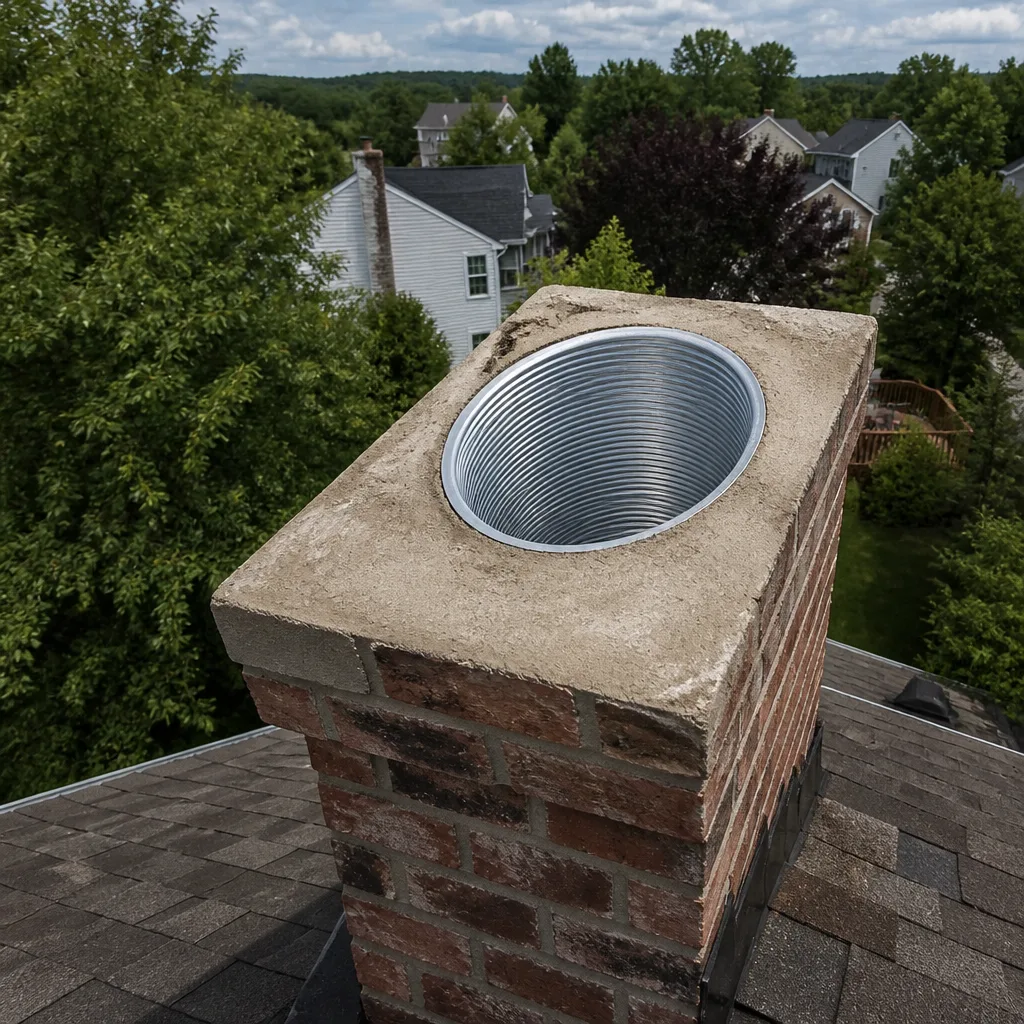
When a chimney has been “fixed” more than once and still misbehaves, the liner is usually where the diagnosis lands. The flue liner is the passage the smoke travels through, and when it’s cracked, spalling, or missing a section, everything else in the system works against you. Draft drops. Smoke finds gaps and pushes into the house. Heat and carbon monoxide get a path into the structure instead of up the flue.
Liner problems show up as a few familiar patterns:
- Smoke backdrafting even when the firebox is well sealed.
- Slow draw that gets worse over a season.
- Debris (flakes of clay tile or mortar) found on the smoke shelf or in the firebox.
- An inspection camera showing cracks, gaps at joints, or a section that’s collapsed.
- Carbon monoxide detected in the home when the fireplace is running.
Not every liner problem needs a full replacement. When the liner is damaged but the structure around it is sound, a ceramic resurfacing system can restore a smooth, sealed flue passage without tearing out the original liner. We use HeatShield for that kind of restoration, and it’s the service most general contractors can’t offer because it requires the specialized system and the experience to apply it correctly. When the liner is beyond restoration, a full relining with a stainless system like DuraFlex is the right answer, and we handle that as a single-source job with no subcontracting of materials or labor. Caps use professionally sourced components from suppliers like Gelco or Olympia Chimney so the termination is a manufactured system rather than something fabricated on the roof.
The distinction between resurfacing and replacement is exactly the kind of call that shouldn’t be made from a sales sheet. It’s made from a camera inspection with photos you can see for yourself. If someone is telling you that you need a full reline before they’ve shown you the inside of your own flue, ask to see the evidence. A specialist will bring it.
Caps, Crowns, and Water Damage
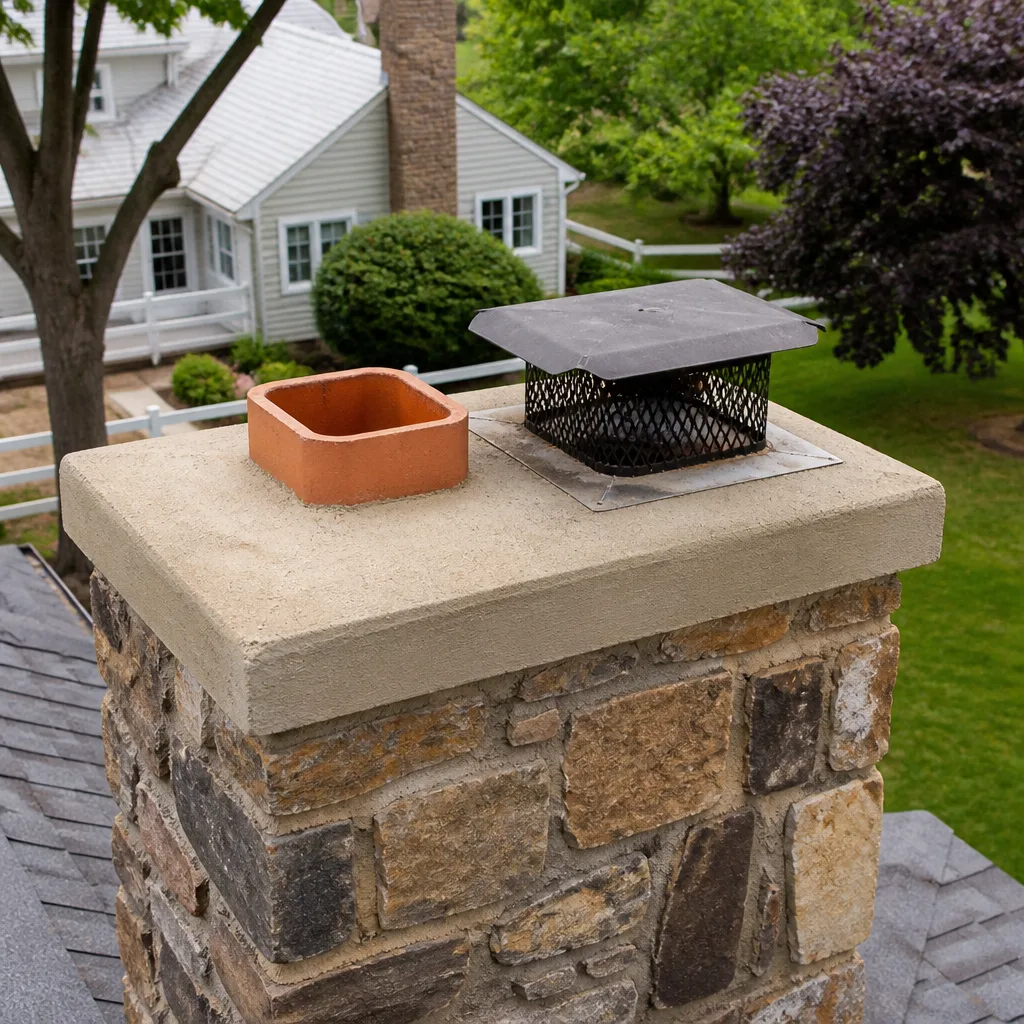
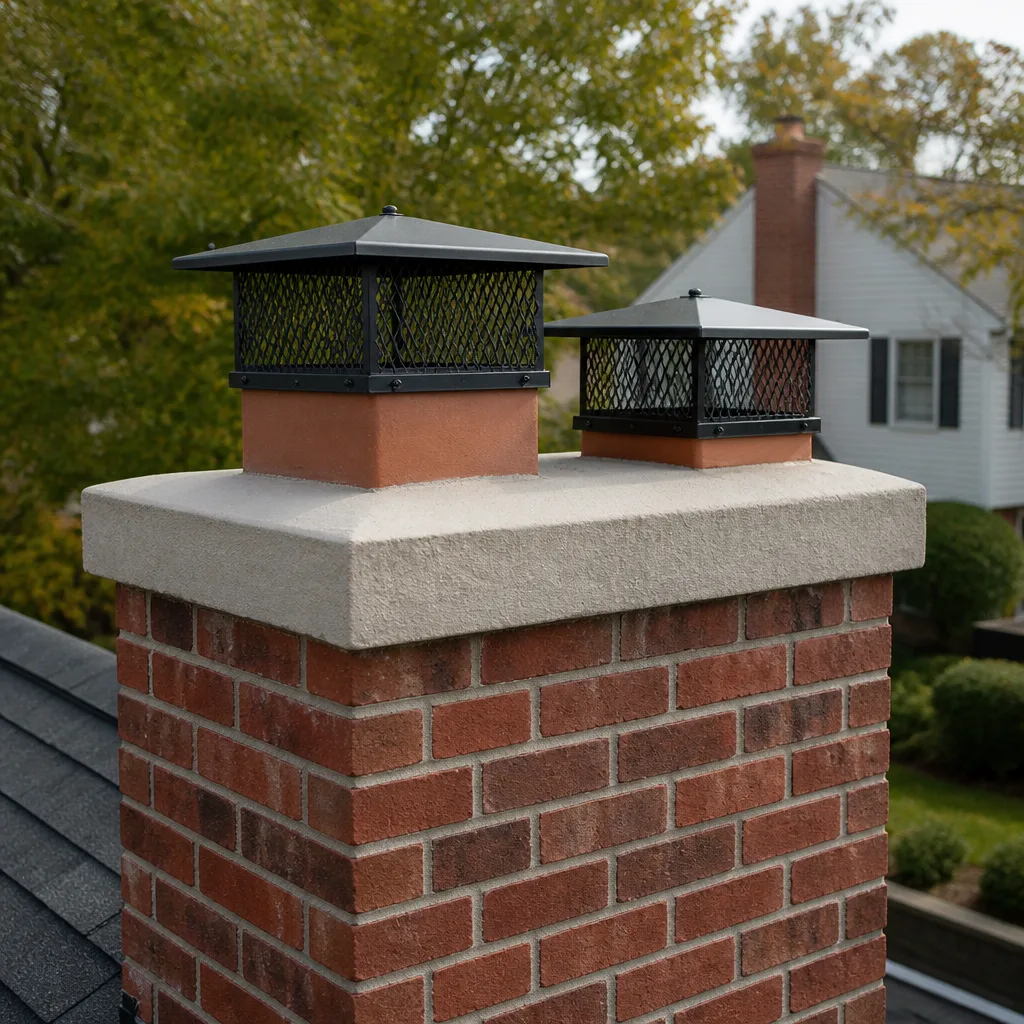
The top of the chimney is where most long-term damage starts. The crown is the concrete surface at the top of the masonry, sloped to shed water away from the flue. The cap is the covering that keeps rain, snow, birds, and debris out of the flue. Both are exposed to Ogden’s freeze-thaw winters, and both fail before the masonry below them does.
A crown with a hairline crack seems minor. But water gets into the crack, freezes overnight, expands, and widens the crack. Over a few winters the crown becomes a broken concrete ring that lets water straight into the top of the chimney. That water travels down through the masonry, shows up as a damp odor in the firebox, and eventually damages the flue liner. The same pattern applies to a missing or damaged cap. Without one, rain and snow go directly down the flue, birds build nests in the flue, and the chimney drafts poorly or not at all. We install caps and crowns using manufacturer-sourced components from suppliers like Copperfield and Famco, which is different from a jobsite-fabricated cap that doesn’t hold up to weather.
How a cap and crown job usually goes in Ogden:
- Inspect the top of the chimney. We look at the crown surface, the flue tiles, and the masonry for cracks and spalling.
- Check the flashing and the chase cover. Water usually gets in more than one way, so the job has to address all of them.
- Recommend the repair the evidence supports. A resurfaced crown, a full crown rebuild, or a new cap designed for the flue’s dimensions.
- Install the cap with the correct flue fit. A cap that’s too small or too big changes draft. It’s a sizing decision, not a one-size part.
- Confirm the install with photos and a final draft check. The job isn’t done until the chimney drafts correctly.
Water damage is the slow problem that gets ignored until it’s expensive. It’s also the one most worth addressing before winter, because that’s when the freeze-thaw cycle does the most damage. This is a job to book in the fall rather than an emergency call, but it’s a job to book.
What’s Safe to Monitor and What Needs a Sweep Now
Not every chimney problem is urgent. Some symptoms are safe to watch for a few weeks and some are a call-today problem. Getting that distinction wrong in either direction is how homeowners either panic over nothing or wait too long on something serious.
Safe to monitor
- A crown with a visible hairline crack and no damp smell inside the firebox.
- Occasional smoke on the coldest mornings or on inversion days, but a fire that burns fine the rest of the time.
- A slight smoky smell after a fire, in a chimney that was swept within the last season.
- A missing cap in dry weather, with no rain forecast and the flue otherwise clean.
These are book-a-service items, not emergency items. Schedule the inspection around your next available opening and don’t open the damper in the meantime if the fireplace is asking for a repair.
Needs a sweep within days
- Smoke rolling continuously into the room when the fire is burning.
- A fire that won’t stay lit or that smokes heavily even with the damper open.
- Any carbon monoxide alarm with the fireplace running.
- A sudden change in how the chimney drafts compared to last season.
- Flakes of clay tile or mortar appearing in the firebox.
- A strong creosote smell plus a fire that’s burned a lot this season.
These are days-not-weeks items. A blocked flue sending combustion gases into the living space isn’t something to schedule for next month. Call (833) 918-6769. We answer 24/7. Fast dispatch from 7am to 7pm, Sunday through Friday.
Never DIY on the structural side
The flue liner, the firebox, and the masonry above the roof are not part of a homeowner’s safe inspection. A visual check from the firebox with a flashlight tells you whether the damper opens. It doesn’t tell you whether the liner is sound. Roof-level work, in particular, is a fall-risk job. Leave it to a trained technician on a roof, and don’t try to sweep a flue with a brush from the hardware store. A brush doesn’t reach the whole flue, doesn’t show you what it dislodged, and doesn’t confirm the chimney is clean afterward. The reason we run a camera and include a photo report in every inspection is that a sweep who can’t show you the inside of your flue hasn’t finished the job.
Common Mistakes to Avoid
- Treating every smoking chimney as a damper problem. The damper is one of the last things to check, not the first. Backdraft, slow draw, and no draw each have a different structural cause, and replacing a damper doesn’t fix a liner or pressure problem.
- Assuming a general handyman can diagnose a draft issue. A handyman who works on everything from gutters to decks isn’t going to have the camera equipment or the experience with flue behavior in Ogden’s canyon wind patterns to correctly separate pressure problems from structural ones.
- Ignoring a damp, earthy smell as “old house.” Damp and earthy means water is in the masonry. Sweeping won’t fix it. The crown, cap, or flashing is where the actual problem is.
- Running a fire with a carbon monoxide alarm even once. Carbon monoxide is odorless and doesn’t announce itself. If the alarm goes off with the fireplace running, the fire goes out and the chimney gets inspected before it burns again.
- Skipping a sweep before heating season because the chimney “worked fine last year.” Creosote accumulates whether or not the chimney reminded you. A chimney that worked in March can be a real risk by November.
- Buying an oversized cap or an “extra deep” cap to stop backdraft. A cap that changes the effective flue height or creates a windbreak can make draft worse. Cap sizing is a technical decision, not a cosmetic one.
- Accepting a liner replacement quote without seeing the camera footage. Any recommendation should come with the visual evidence that supports it. If you can’t see the inside of your own flue, you can’t verify the recommendation.
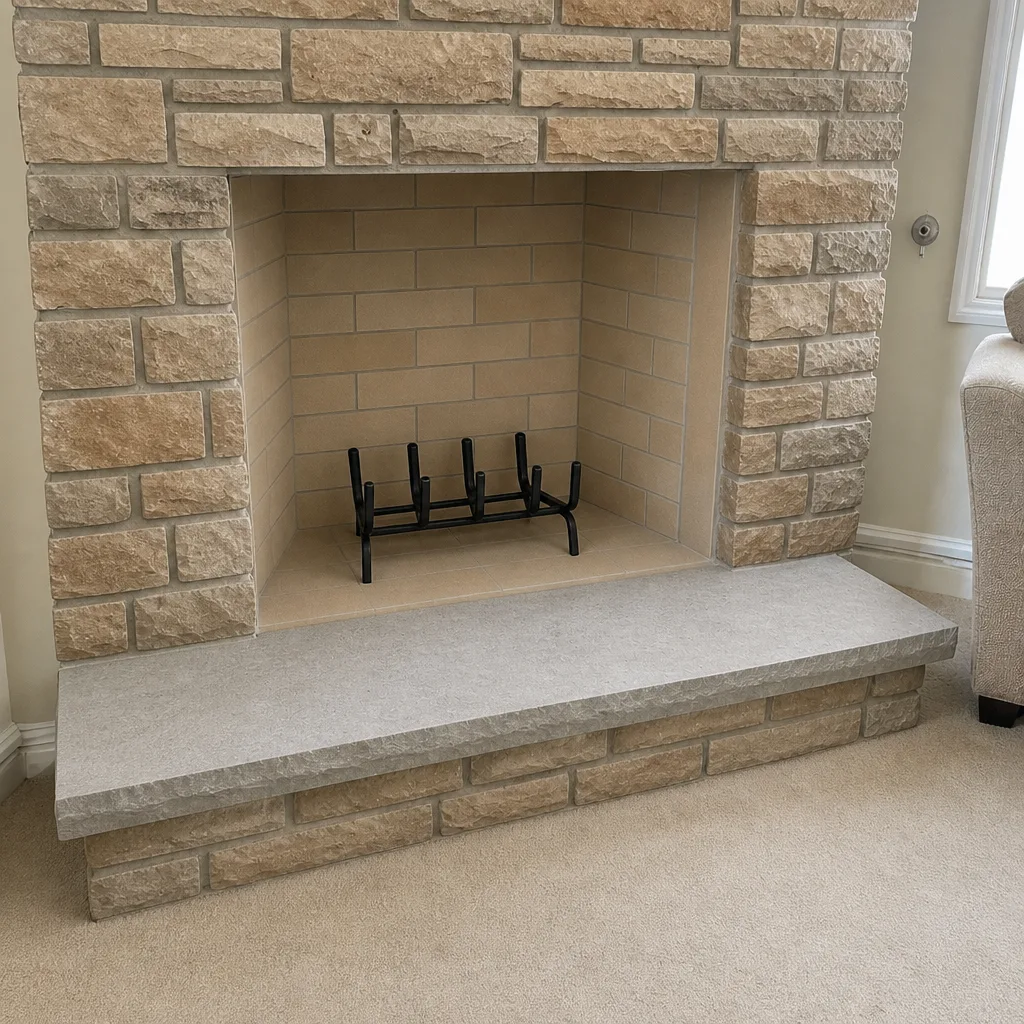
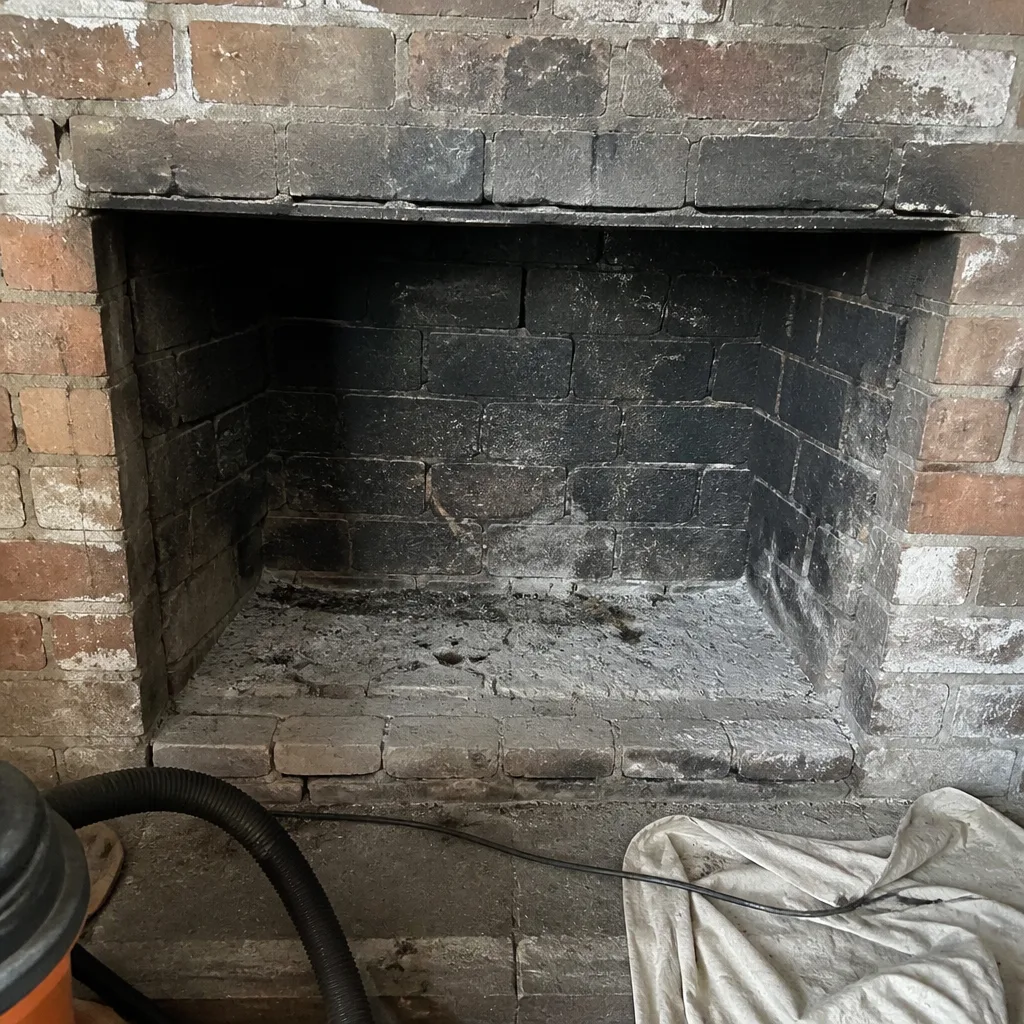
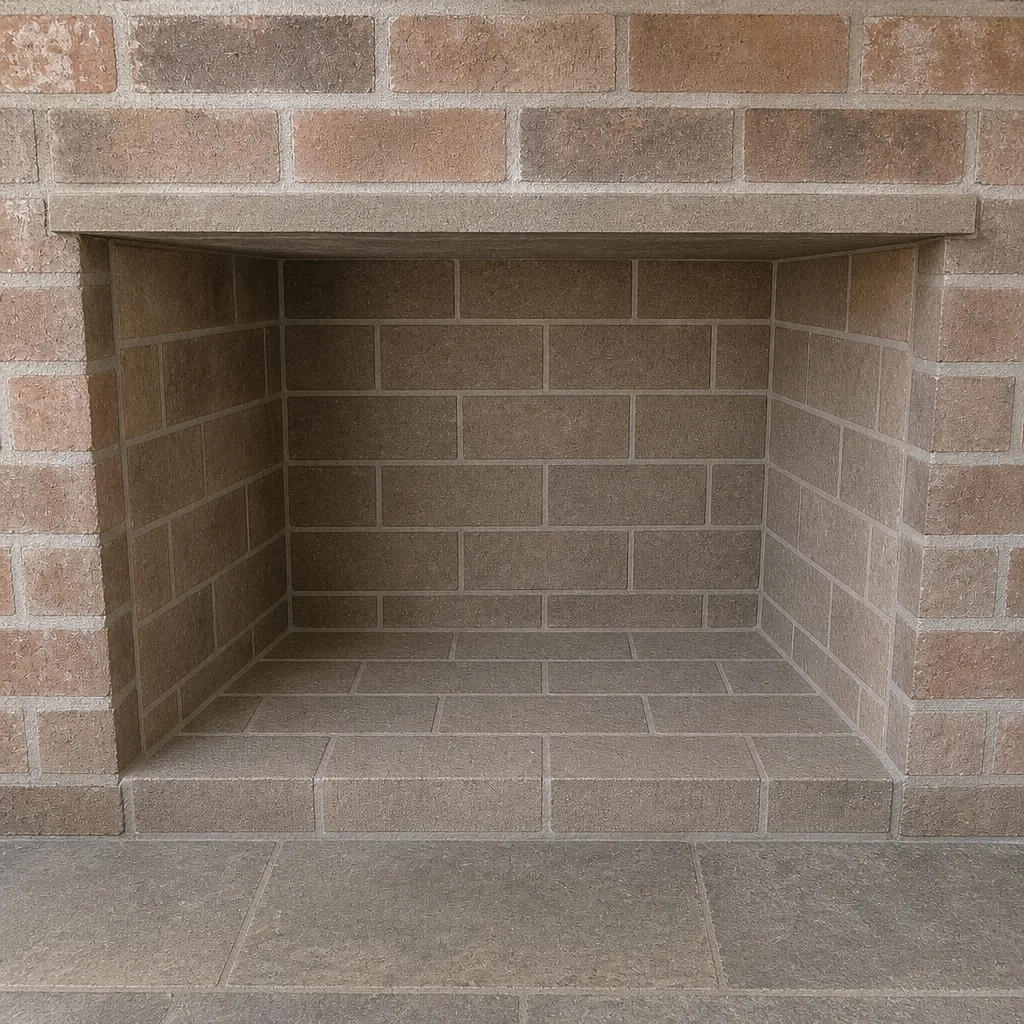
See the difference
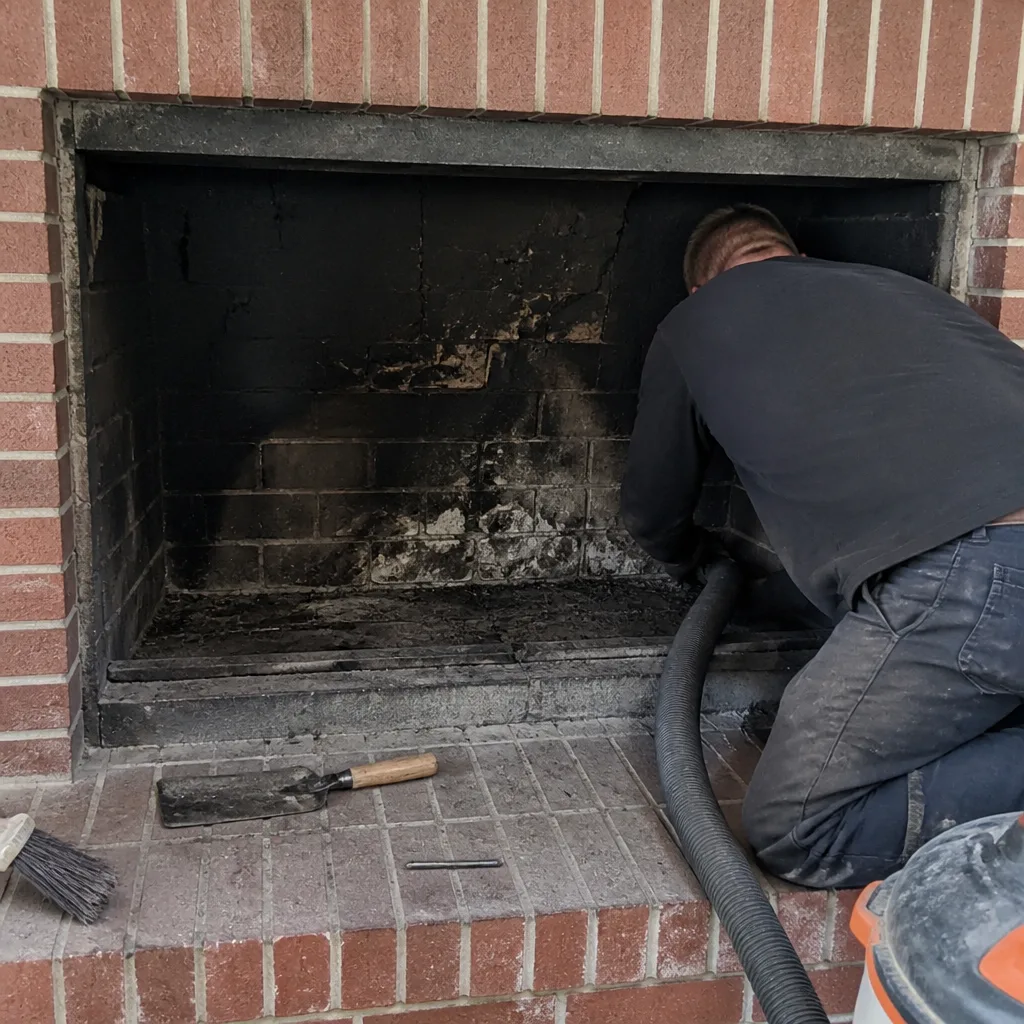 Before
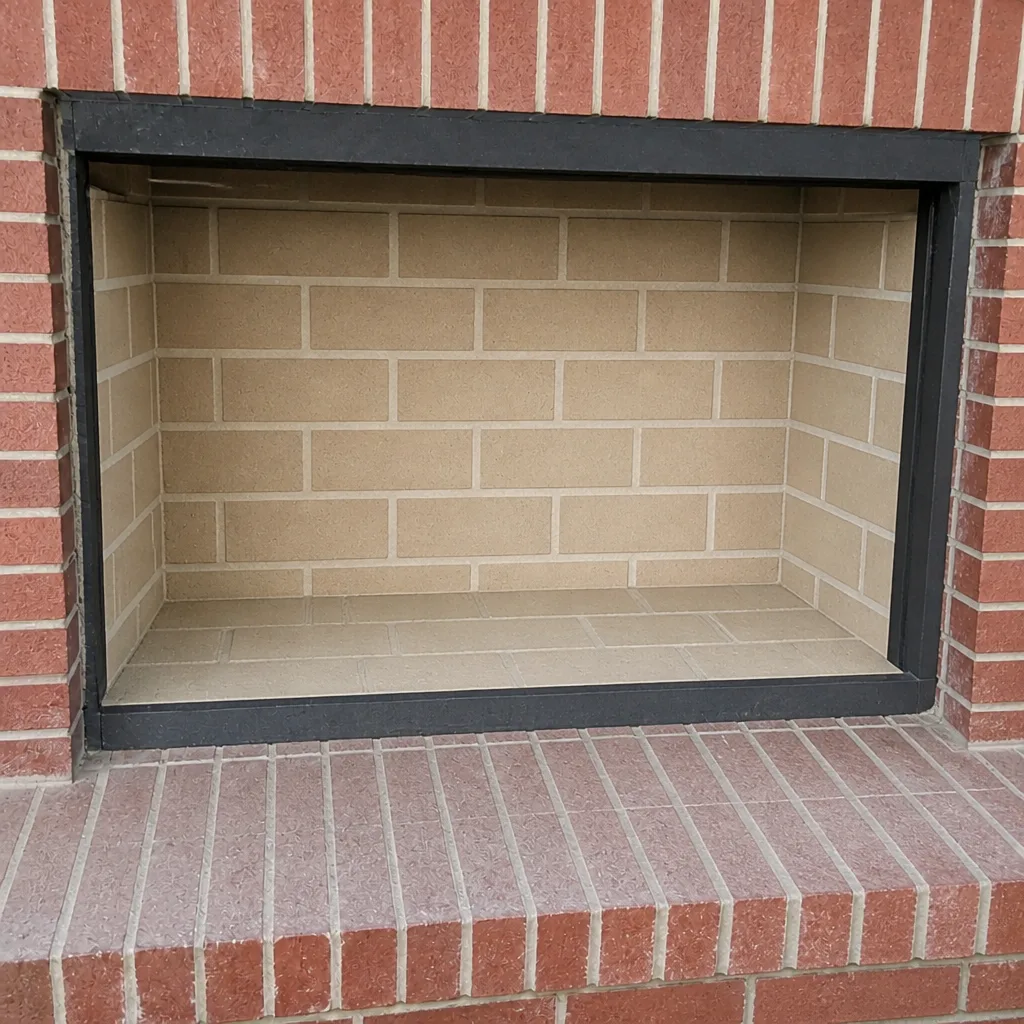 After
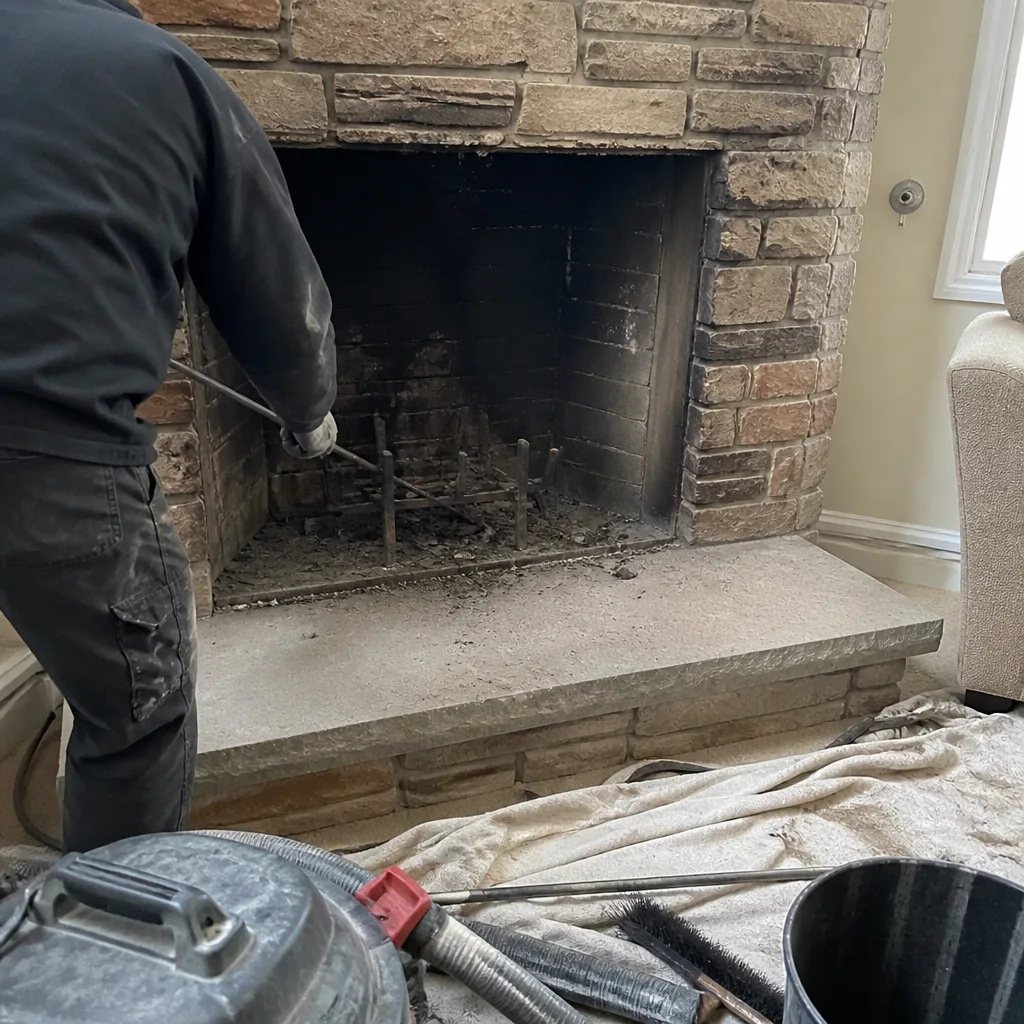 Before
 After
 Before
 After
When to Call a Professional
Call a professional if the fireplace smokes continuously when a fire is burning, if you smell a strong creosote odor plus the chimney hasn’t been swept this season, or if a damp and earthy smell points to masonry water damage. Call today if a carbon monoxide alarm goes off with the fireplace running, if a fire won’t stay lit, or if you find clay flakes in the firebox. Yearly inspection is also the baseline for anyone who burns wood regularly. Book that visit in late summer or early fall, before the heating season and before freeze-thaw damage has a chance to set in. A crown crack found in September can be repaired. A crown crack that’s been through two winters is a bigger job.
Chimney Sweep Ogden offers free estimates in Ogden. Call (833) 918-6769. We answer 24/7. Fast dispatch from 7am to 7pm, Sunday through Friday. Our technicians have up to 9 years of experience, and every inspection comes with a camera inspection and a photo report, so you can see what we’re recommending before anything is approved. The written estimate sets the final price, and if a problem can safely wait, we’ll tell you that too.
Frequently Asked Questions
Wind-driven smoking is almost always a termination or pressure problem, not a broken firebox. Wind coming off the Wasatch Front hits the roofline and creates turbulence around the chimney cap. A cap sized wrong, a flue that terminates too low relative to the ridge, or a house running negative pressure all show up worse on windy days. Call (833) 918-6769 for an exact quote on an inspection. Estimates are free.
Most homes that burn wood regularly should be inspected once a year and swept based on how much creosote has built up. The inspection is what determines the sweep schedule, not the calendar alone. Gas fireplaces still need inspection, though at a different cadence than wood. Call (833) 918-6769 for an exact quote. Estimates are free.
No, but it can tell you where the problem is. If opening a window by an inch stops the backdraft, the house is running negative pressure from exhaust fans or tight construction, and the chimney itself may be fine. The fix is a pressure solution, not a chimney rebuild, and a proper inspection tests for it. Call (833) 918-6769 for an exact quote. Estimates are free.
Only if the camera inspection shows cracks, gaps, or a collapsed section. A damaged but structurally sound liner can often be restored with a ceramic resurfacing system like HeatShield instead of a full liner replacement. Ask to see the footage before you agree to either. Call (833) 918-6769 for an exact quote. Estimates are free.
Creosote builds up on the flue walls and can ignite into a chimney fire that damages the liner without the homeowner noticing. In a blocked flue, combustion gases can back up into the house, including carbon monoxide. A yearly inspection catches both before they become a problem. Call (833) 918-6769 for an exact quote. Estimates are free.
Creosote odor is sharp, acrid, and smoky, and it points to a cleaning issue. Masonry decay odor is damp and earthy, and it points to water in the masonry from a crown, cap, or flashing problem. Sweeping fixes the first. The second needs a structural repair. Call (833) 918-6769 for an exact quote. Estimates are free.
The Bottom Line
Most chimney problems in Ogden have a known cause, and the symptoms are specific enough to point the way. Backdraft, slow draw, and no draw are three different problems. Creosote smell and masonry decay smell mean two different things. Negative pressure from a tight house can make a healthy chimney act broken. Wind off the Wasatch Front and the valley’s elevation change how a chimney drafts compared to lower-altitude cities. The point of a proper inspection is to test the cause before you spend money on the fix, and nothing should be recommended without camera evidence you can see. Our technicians have up to 9 years of experience, and the local pro we connect you with is licensed and insured as their state requires. Book the sweep before burning season, not after.
Call (833) 918-6769 for a free estimate. We answer 24/7. Fast dispatch from 7am to 7pm, Sunday through Friday.
Written by the team at Chimney Sweep Ogden.