
Last updated November 24, 2026
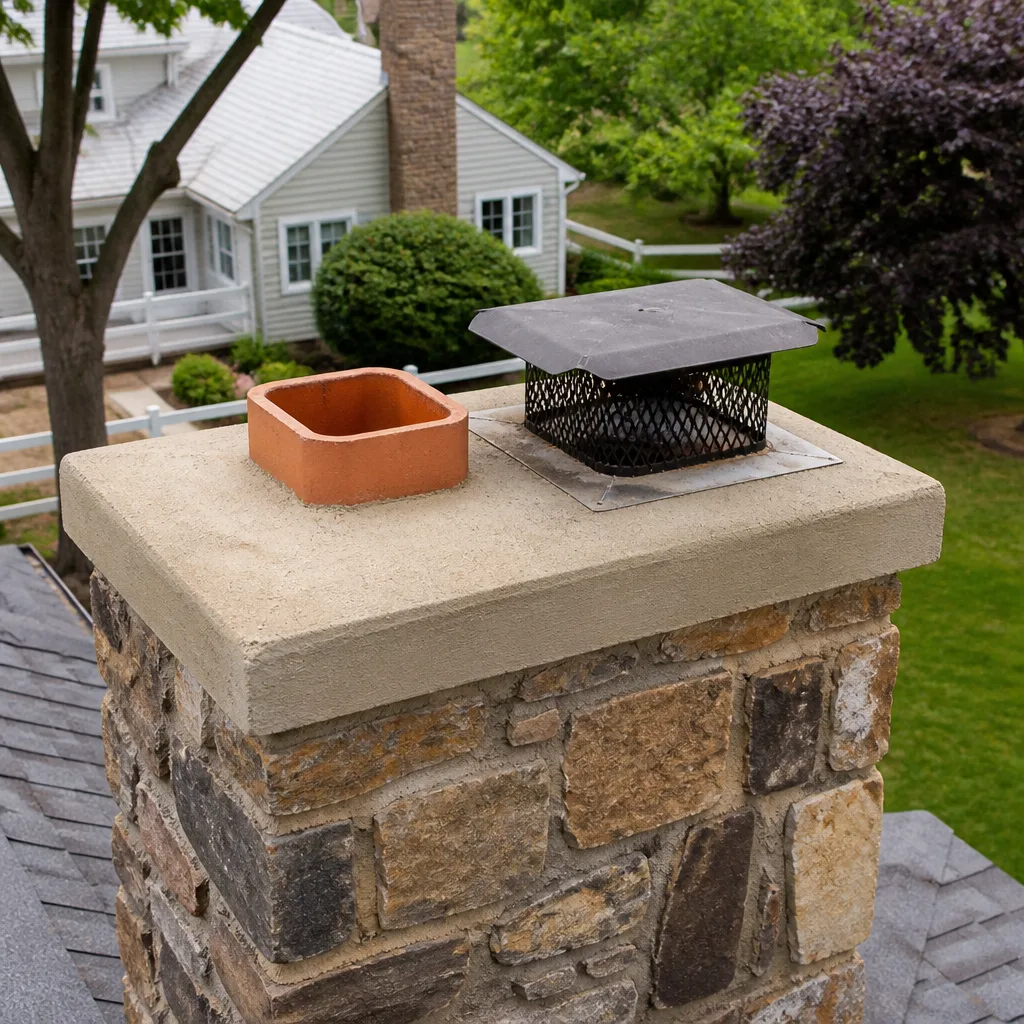 Sweep & inspection
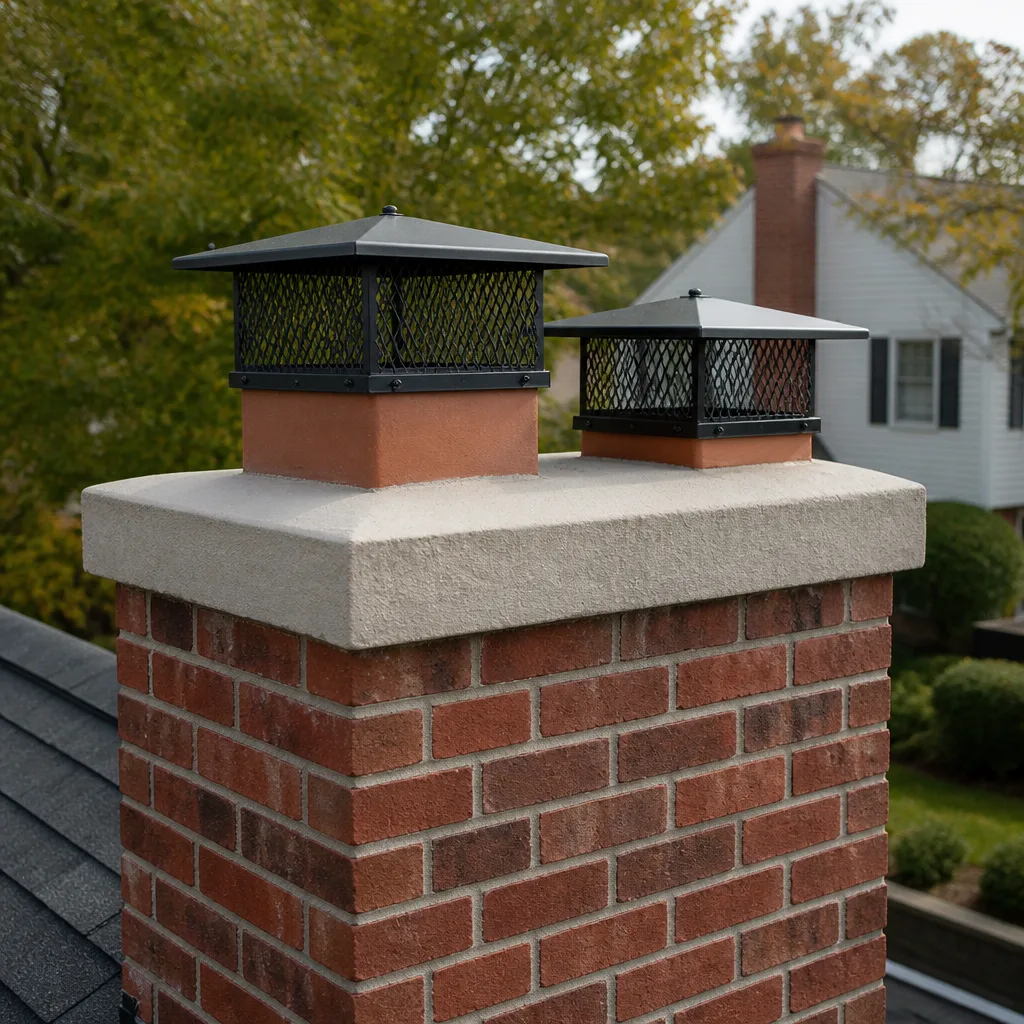 Caps & crowns
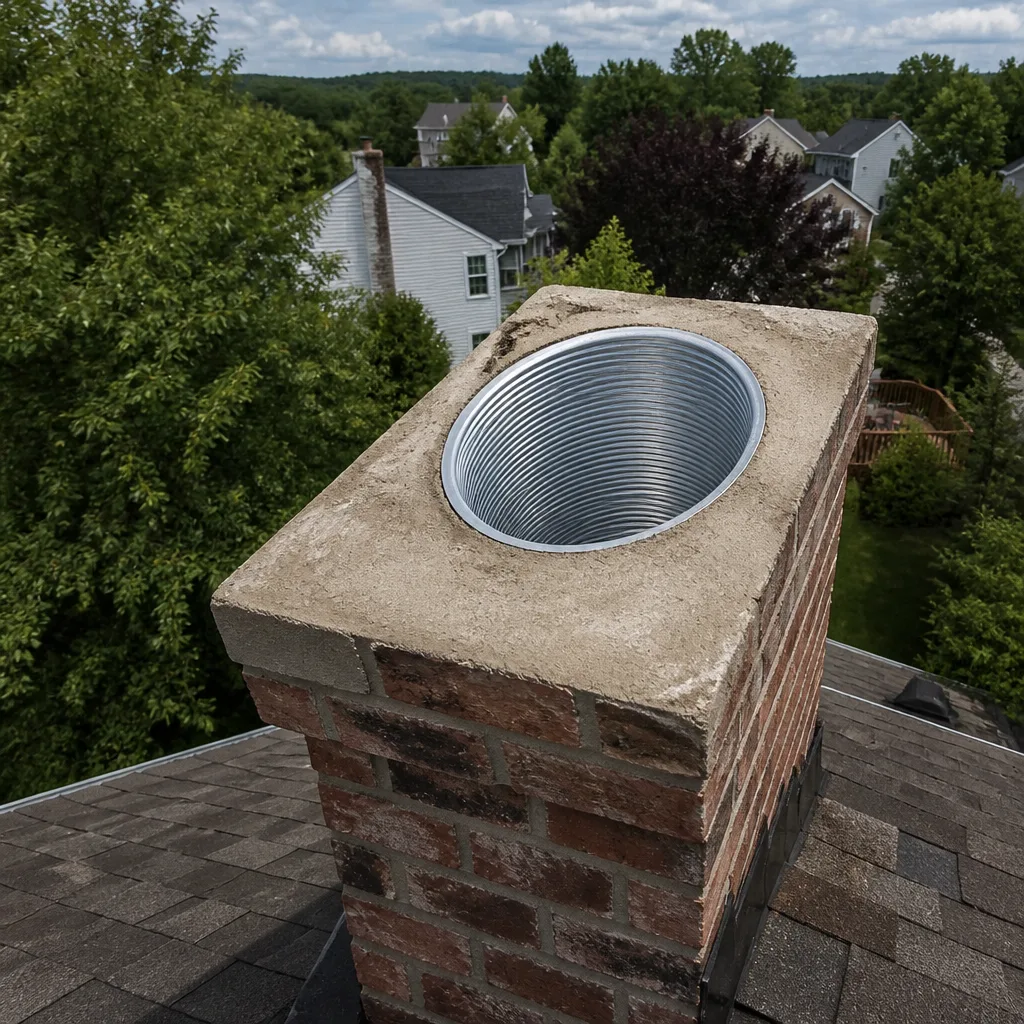 Flue relining
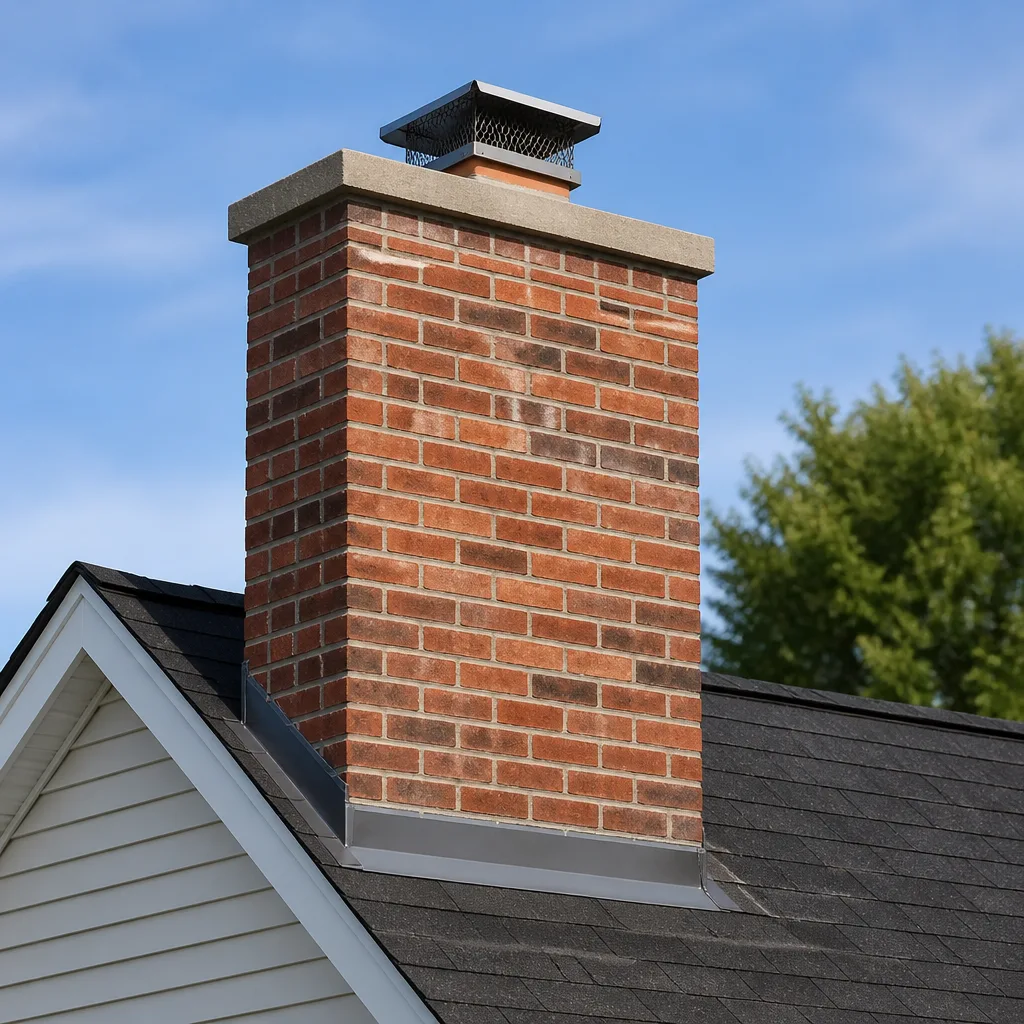 Masonry repair
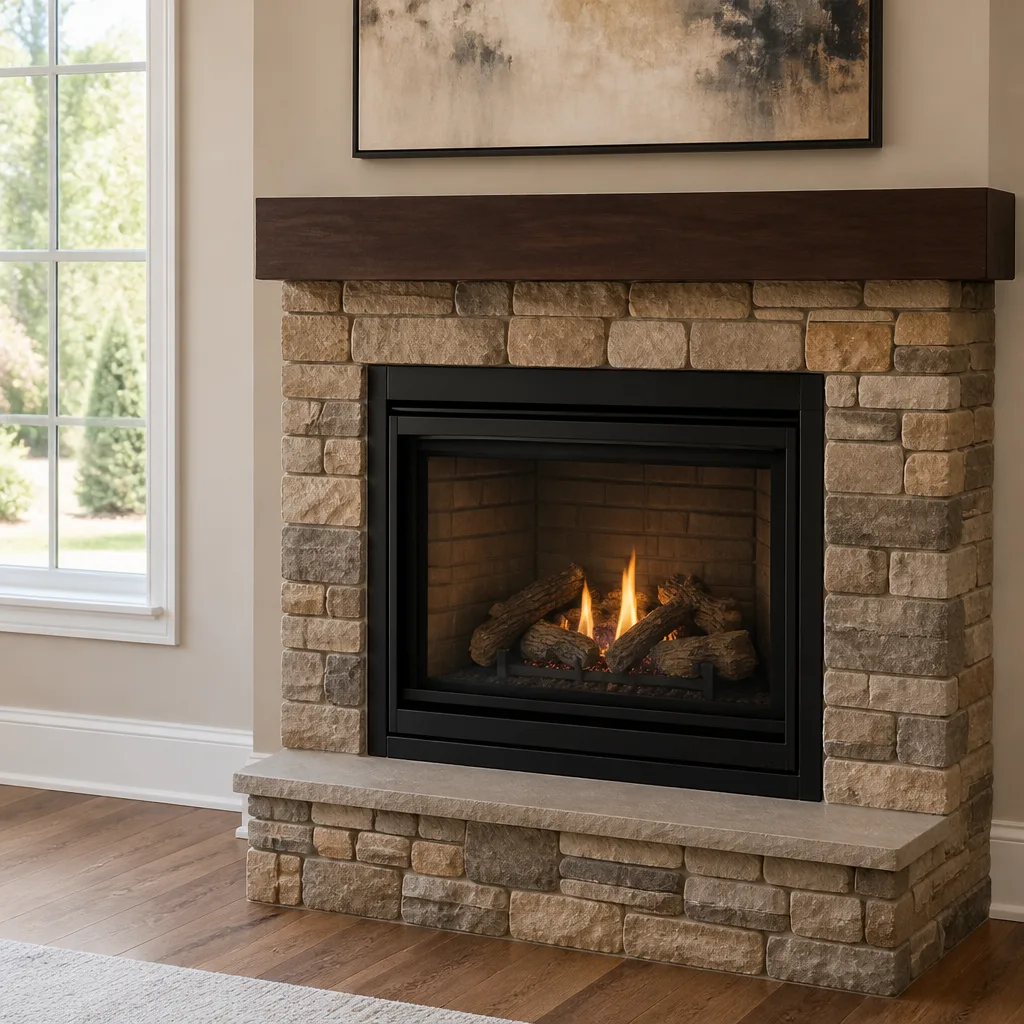 Gas fireplace service
Level 1 sweep and inspection to the NFPA 211 annual standard - flue, crown, cap, and flashing checked and photographed
Chimney sweep logs do not sweep chimneys. They loosen some creosote - which then falls where a brush and vacuum still have to collect it.
Choosing the Right Chimney Cleaning Brand: A Buyer’s Guide for Ogden
When a chimney sweep can’t tell you the brand name of the waterproofing product they’re applying to your crown and masonry, that’s usually not modesty. It more often means they’re brushing on a hardware store sealant that traps moisture behind a film instead of letting the masonry breathe – the opposite of what a chimney needs. In a climate like Ogden’s, with its hard freeze-thaw cycles, the wrong coating can do more damage than leaving the brick bare. This guide walks through the professional-grade product categories that actually matter, the suppliers behind them, and the exact questions you can ask to tell a real chimney specialist from someone who sweeps on the side.
Styles & brands we work with
- Sweep & inspection
- Caps & crowns
- Flue relining
- Masonry repair
- Gas fireplace service
Quick Answer
The right chimney cleaning and repair brands are the ones used by full-time chimney specialists, not general handymen: HeatShield for flue liner resurfacing, DuraFlex stainless liner systems, Saver Systems (ChimneySaver) vapor-permeable waterproofers, and Rutland or ACS creosote treatments. Ask any contractor to name the specific product they’ll use on your chimney and why they chose it for your flue type. A pro who can answer that fluently is demonstrating applied expertise; one who can’t is guessing.
Table of Contents
- Why Product Brands Matter More Than Most Homeowners Realize
- The Recognized Professional-Grade Suppliers in the Chimney Industry
- Vapor-Permeable Waterproofers and Ogden’s Freeze-Thaw Climate
- Creosote Treatments: Maintenance Modifiers vs. Chemical Removal
- Liner Materials: 304 vs. 316L Stainless Steel
- How to Use Product Knowledge as a Contractor Vetting Tool
- A Step-by-Step Vetting Process Before You Authorize Work
- Common Mistakes to Avoid
- When to Call a Professional
- Frequently Asked Questions
Why Product Brands Matter More Than Most Homeowners Realize
The products a chimney company uses are a direct signal of their professional standards, and that’s because the good ones aren’t easy to get. Industry-grade liner systems, ceramic resurfacing compounds, and vapor-permeable masonry waterproofers are sold through specialty distribution channels that generally require a credentialed trade account. A contractor who can’t name the brand on the bucket usually can’t buy the real product in the first place.
Think about what actually happens inside a chimney. Creosote builds up on the flue walls. Moisture from rain and snow soaks into the masonry. Heat cycling expands and contracts the brick and mortar. Every one of those processes is a materials problem before it’s a labor problem. A generic wire brush and a tube of silicone caulk won’t solve any of them, and in Ogden’s climate they can accelerate the damage.
The stakes go beyond cosmetics. Creosote is flammable, and a chimney fire can spread into the structure of the home. Carbon monoxide from a blocked or degraded flue is a genuine health hazard. That’s why the materials that touch your flue and your masonry deserve the same scrutiny you’d give to the parts on your furnace. A clean, sound chimney is a safe chimney, and getting there takes the right products, not just elbow grease.
What separates a specialist here is scope. A company that only does chimneys learns the product lines deeply, understands which flue type takes which material, and can spot a Stage 3 glazed deposit from across the room. A multi-trade outfit buying from the nearest hardware store has no reason to develop that fluency, and it shows in the diagnosis. When you’re evaluating who does your chimney sweep, the product questions are your fastest read on which kind of operator you’re talking to.
The Recognized Professional-Grade Suppliers in the Chimney Industry
The chimney trade has a small number of established suppliers whose products most specialists trust by name. Knowing them gives you a vocabulary to test any contractor against. Each supplier covers a different category of the job.
- Saver Systems (ChimneySaver) – masonry waterproofing and breathable sealants. Their flagship water repellent is the standard most specialists reach for when treating brick and mortar crowns.
- HeatShield – ceramic flue liner resurfacing. Used to restore a damaged clay flue without tearing out the whole chimney, sealing cracks and leveling rough surfaces from the inside.
- Rutland – the classic brand for creosote removers, fireplace cleaners, and maintenance compounds. A sweep who keeps Rutland products in the rotation knows the difference between a maintenance treatment and a heavy removal job.
- Rockford Chimney Supply – stainless steel liners, caps, and accessory hardware. Their systems are a common professional line for relining work.
- Olympia Chimney – a broad line of liners, caps, and venting components that specialists rely on for installation work.
- Famco – caps, crowns, and termination components built for durability against weather.
- Copperfield – custom and standard chimney caps, including copper construction for longer service life.
- DuraFlex – flexible stainless steel relining systems, the workhorse for full flue relining.
- Gelco – sealants and masonry products used in crown and mortar repair.
- ACS (Anti-Creo-Soot) – a maintenance-grade creosote modifier applied during regular burning to reduce deposit formation over time.
You won’t hear every one of those names on a single job, and you shouldn’t expect to. What matters is that a specialist can tell you which category a product belongs to and why it fits your chimney. If the answer is a shrug or a vague “we use good stuff,” that’s your cue to keep asking, or keep calling. Here in Ogden, where a lot of homes burn wood regularly through a cold winter, product quality on the flue and the crown is worth the extra five minutes of vetting.
It’s also fair to ask for the product’s spec sheet or technical data before authorizing work. A confident pro will have them, because they already know the products they install.
Vapor-Permeable Waterproofers and Ogden’s Freeze-Thaw Climate
A vapor-permeable waterproofer is one that repels liquid rain while still allowing moisture vapor to escape from inside the masonry. For Ogden, this is the single most important product decision on the exterior of a chimney, because our winters swing hard above and below freezing. Water that soaks into brick, then freezes, expands and cracks the masonry from the inside out. A breathable water repellent stops that cycle; a film-forming sealant actually makes it worse.
Here’s the mechanism in plain terms. Sealants that form a plastic-like skin trap moisture that’s already in the brick or that moves through the wall from the warm interior. When that trapped moisture freezes, it has nowhere to go but through the masonry. The result is spalling brick, crumbling mortar joints, and a crown that cracks and leaks. A breathable product lets the vapor out while keeping the rain off.
The climate context matters. Along the Wasatch Front, including the Ogden valley floor and the older neighborhoods near downtown and the east bench, freeze-thaw cycles are a regular feature of winter. A chimney crown – the flat concrete cap at the very top – gets hit from above by snow and rain and from below by heat from the flue. That’s a punishing combination, and it’s why crown material and the treatment applied to it need to be right.
How to ask a contractor to confirm the specific product before you authorize work:
- Ask for the product name and manufacturer, not a category. “Waterproofing” is not an answer; a named Saver Systems (ChimneySaver) water repellent is.
- Ask whether the product is vapor-permeable. If they don’t know what that means, that’s a hard stop.
- Ask what surface prep they do first. Clean, dry, sound masonry is required for any waterproofer to bond properly, and cracks need filling before sealing.
- Ask what they do about the crown. A waterproofer isn’t a substitute for a sound, sloped crown; if the crown is cracked, it needs repair, not a coating.
- Ask for the technical documentation. A specialist keeps it on hand.
For crown and cap work specifically, the components should be manufacturer-sourced, not fabricated on the spot. That’s part of how we approach chimney cap & crown work: real product, installed to the manufacturer’s spec, so it holds up through the seasons.
Creosote Treatments: Maintenance Modifiers vs. Chemical Removal
Not all creosote products do the same job, and using the wrong one is a common mistake. A maintenance-grade modifier like ACS (Anti-Creo-Soot) or similar compounds is designed to be used during normal burning to slow the rate at which new deposits form. A chemical removal treatment is for breaking down heavy, glazed, third-stage creosote that’s already there. Confusing the two wastes money at best and leaves a real fire hazard in the flue at worst.
Creosote forms in stages as it accumulates. Stage 1 is a light, flaky soot that brushes away cleanly. Stage 2 is a crusty, flakey deposit that needs mechanical removal. Stage 3 is glazed, hard, and shiny – it looks almost like tar that’s cooled and cured. Stage 3 is the most dangerous because it burns hot and it’s very hard to remove with a brush alone.
- Maintenance modifiers (ACS, Anti-Creo-Soot) work best when you’ve been burning cleaner wood and want to keep deposits from building. They modify the creosote as it forms so it stays in an easier-to-brush state over time.
- Chemical removal treatments are for existing heavy deposits, including glazed Stage 3, where the product loosens the deposit so mechanical cleaning can clear it safely. They’re used under the guidance of a sweep who has inspected and diagnosed the flue first.
A chimney sweep should know which stage of creosote you’re dealing with before recommending a product, and that comes from a proper look up the flue. Here’s how a specialist usually sequences the work:
- Inspect and classify the deposit. Soot, crust, or glaze tells you which treatment category applies.
- Sweep mechanically to remove everything that can be safely brushed.
- Apply the appropriate chemical treatment if glazed deposits remain, following the manufacturer’s dwell and handling instructions.
- Re-inspect after treatment to confirm the flue is clear before returning the system to service.
Burning dry, seasoned wood reduces creosote formation in the first place, and it’s the advice we give most often in Ogden, where plenty of homes are feeding a wood stove or insert all winter. Even so, no fuel choice eliminates the need for a professional sweep. The deposits build slowly; the inspection is what catches them.
Liner Materials: 304 vs. 316L Stainless Steel
The two stainless grades you’ll see named on a relining job are 304 and 316L, and the choice between them matters more in a wood-burning application than most homeowners are told. 316L carries more nickel and molybdenum in its alloy, which gives it better resistance to corrosion from the acidic byproducts of combustion. 304 is more economical and works well in lighter-duty applications. For a high-use wood-burning household in Ogden, where the appliance runs through a long, hard winter, the 316L spec is usually the safer long-term choice.
Why does combustion chemistry drive the choice? Burning wood produces moisture, acids, and varying temperatures depending on how the fire is run. A seriously under-insulated flue or a heavily used stove creates conditions where a lower-grade alloy can corrode and pit over time, weakening the liner. The grade is specified on the manufacturer’s product data, so it’s a simple thing to ask about.
Flexible liner systems like DuraFlex are made to be installed down an existing chimney without tearing out the old flue, which makes relining far less invasive than a full masonry rebuild. The liner is sized to the appliance and the flue, insulated where required, and terminated correctly at the top and bottom. It’s a professional installation, not a DIY job.
A safety note, and it’s not a small one. Liner work and any repair that involves the flue or combustion venting sit alongside electrical and gas systems in terms of risk. Creosote fires, blocked flues, and backdrafting carbon monoxide are all real hazards, and a poorly fitted liner is its own danger. This is not work to attempt yourself. Confirm the liner material and grade with a trained professional before authorizing any relining, and ask for the product documentation.
If your inspection turns up a damaged clay flue that hasn’t fully failed, ceramic resurfacing through a system like HeatShield can restore it from the inside without a full liner swap. A specialist will tell you which option fits your chimney. Either way, the decision should rest on what the inspection actually found, not on what’s easiest to sell. When the system needs a proper look, a standalone chimney inspection gives you the diagnosis first.
How to Use Product Knowledge as a Contractor Vetting Tool
A contractor who can speak fluently about why they chose a specific product for your chimney type is showing you applied expertise, and that’s the single best way to separate a true chimney specialist from a generalist. You don’t need a background in combustion science to use this. You just need a few good questions and a sense of whether the answers are specific or vague.
Here’s what fluency sounds like versus what a guess sounds like:
- Fluency: “Your flue has glazed Stage 3 deposits, so we’ll sweep mechanically first, then use a chemical removal treatment designed for glaze, then re-inspect before we recommend anything else.”
- A guess: “We’ll just give it a good sweep and see how it looks.”
- Fluency: “Your masonry crown is cracked and the mortar joints are spalling, so we’ll repair the crown with a manufacturer-sourced cap, fill the joints, and apply a vapor-permeable water repellent once the surface is clean and dry.”
- A guess: “We’ll seal it up so water doesn’t get in.”
The difference is that a specialist explains the reasoning behind the material choice for your specific chimney. A generalist recites a script and reaches for whatever is in the truck. In our experience, the questions that reveal the most are the ones about why, not what. Why this grade of liner for this appliance? Why this waterproofer instead of a cheaper one? Why now instead of later?
There’s a second layer to this: scope. A company that also does roofing, HVAC, and general masonry has divided attention, and chimney product knowledge is deep enough that it rewards focus. A dedicated chimney and fireplace specialist is more likely to have the full product line available, to carry the right test equipment, and to offer inspection as a standalone service rather than as a sales tool to bundle into repairs. Those three things are worth more than any marketing claim on a website.
One more practical tip: ask whether the work can be done single-source. Inspection, sweeping, liner work, cap and crown installation, and fireplace repair handled by one company means no handoffs between trades, no finger-pointing when something goes wrong, and a consistent standard of materials throughout. That’s what a dedicated specialist gives you that a multi-trade outfit usually can’t.
A Step-by-Step Vetting Process Before You Authorize Work
Use this process the next time you’re comparing chimney companies in Ogden. It takes about twenty minutes of phone calls, and it will save you from the most expensive mistake in this trade: authorizing thousands of dollars of work on a chimney you have no way to independently verify.
- Ask what brand of waterproofer they use on masonry. If they can’t name it, ask for the technical data sheet. If neither is available, move on. A vapor-permeable product from a recognized manufacturer is the baseline.
- Ask how they classify creosote and what they do about Stage 3. A real sweep will describe the stages and the difference between maintenance modifiers and chemical removal.
- Ask about liner grade. If a reline is proposed, ask whether the liner is 304 or 316L stainless and why. A specialist will tie the answer to your appliance and usage.
- Ask for a camera inspection with a photo report. Nothing should be recommended without camera evidence you can see for yourself. This is the core of honest chimney work.
- Ask what can safely wait. A trustworthy pro will tell you plainly when a repair is optional or can be scheduled later. If everything is urgent, be skeptical.
- Ask for a written estimate that itemizes products and labor. A flat price set by a written estimate, agreed before booking, is the standard you want.
- Ask whether the inspection is available as a standalone service. If inspection is only offered as part of a repair package, the incentive structure is wrong.
That’s the whole process. It’s built to answer the real hesitation most homeowners have: being told they need major liner or masonry work they can’t verify. When a company can name their products, explain their choices, show you the camera footage, and say what can wait, you have all you need to decide.
Common Mistakes to Avoid
- Accepting a vague “we use top-quality materials.” The chimney trade has named, recognized suppliers for a reason. If nobody will give you a brand, you’re probably not getting professional-grade product.
- Letting a contractor apply a film-forming sealant to your masonry. This is the classic freeze-thaw mistake in a place like Ogden. A breathable waterproofer lets moisture out; a plastic-like sealant traps it and speeds up spalling.
- Treating Stage 3 glazed creosote with a maintenance modifier. These are two different product categories. A modifier slows new deposits; a chemical removal treatment breaks down glaze that’s already there. Ask your sweep to classify the deposit first.
- Authorizing a reline without asking the liner grade. 304 and 316L stainless are not interchangeable for a high-use wood-burning flue. The correct spec belongs in the written estimate.
- Hiring a multi-trade generalist because the price looked lower. A handyman may sweep a chimney; a specialist diagnoses the flue, knows the product lines, and offers the repair options a generalist can’t.
- Skipping the camera inspection. Any recommendation you can’t see the evidence for is a recommendation you can’t verify. Insist on the camera and the photo report.
- Assuming the crown is cosmetic. A cracked crown lets water into the masonry, and the damage compounds over every winter. Repairing it with manufacturer-sourced components is cheaper than rebuilding the top of the chimney later.
When to Call a Professional
Call a professional when smoke backdrafts into the room, when you smell a strong creosote odor on warm days, when you see crumbling mortar or a missing cap, or when you’ve moved into a home and don’t know the last time the chimney was serviced. Call if you burn wood regularly and haven’t had a sweep in a season, or if you’ve had a chimney fire, even a small one. Carbon monoxide alarms in a home with a fireplace or wood stove deserve an inspection. And call if you’re being quoted repair work you can’t verify – a proper camera inspection and photo report should come first, every time. The local pro we connect you with is licensed and insured as their state requires, and the estimate is free. If you’re comparing companies, the guide above gives you the questions. Chimney Sweep Ogden offers free estimates in Ogden – call (833) 918-6769.
Frequently Asked Questions
A standard chimney sweep in Ogden typically runs in the range of $150 to $300 depending on the flue type, the level of creosote, and access to the roofline. A sweep bundled with a camera inspection usually adds to that figure, and liner or repair work is quoted separately once the inspection is done. The written estimate sets the final price, and estimates are free. Call (833) 918-6769 for an exact quote – estimates are free.
Not always. A liner is recommended when the existing clay flue has cracks, gaps, or deterioration that could let combustion gases or creosote reach the structure of the home, or when a new appliance needs a properly sized flue. A camera inspection shows exactly what condition the flue is in, and a damaged flue may be restorable with ceramic resurfacing in some cases rather than a full reline. Nothing should be recommended without camera evidence you can see for yourself. Call (833) 918-6769 for an exact quote – estimates are free.
A chimney used for wood burning should be swept at least once a year, and more often if you burn heavily or use unseasoned wood. Gas fireplaces need annual inspection too, even though they produce less soot. The general rule is to have the flue inspected before each heating season and swept whenever the deposit reaches a quarter inch or more. Call (833) 918-6769 to schedule a sweep or inspection – estimates are free.
Skipping a sweep lets creosote accumulate, and Stage 3 glazed creosote is the fuel for a chimney fire. A blocked or degraded flue can also let carbon monoxide back into the home, and moisture getting into damaged masonry makes the freeze-thaw damage worse each winter. None of that happens overnight, but it all compounds. The safest approach is a once-a-year inspection and sweep before burning season. Call (833) 918-6769 for an exact quote – estimates are free.
A general handyman can push a brush up a flue, but that’s the smallest part of the job. A specialist classifies the creosote, inspects the flue with a camera, knows which liner grade fits your appliance, and has access to professional-grade products like HeatShield and DuraFlex that aren’t sold through general hardware channels. In a climate like Ogden’s, the repair and waterproofing decisions matter as much as the sweep. Call (833) 918-6769 for an exact quote – estimates are free.
A waterproofer is right for your chimney if it’s vapor-permeable, so moisture can escape from inside the masonry while rain stays out. Ask the contractor for the product name and the technical data sheet, and ask whether the crown and any cracked mortar will be repaired before the waterproofer goes on. In Ogden’s freeze-thaw climate, a film-forming sealant can cause more harm than no treatment at all. Call (833) 918-6769 for an exact quote – estimates are free.
The Bottom Line
The brands a chimney company uses tell you how they work. Software-grade products like HeatShield for flue resurfacing, DuraFlex for relining, Saver Systems (ChimneySaver) for vapor-permeable waterproofing, and Rutland or ACS for creosote treatment are available to professionals through specialty supply channels, and a contractor who can name them and explain their choices is a specialist. A contractor who reaches for hardware store sealants and can’t tell 304 from 316L is guessing. Use the questions in this guide to vet anyone you hire in Ogden, insist on a camera inspection with a photo report before authorizing repairs, and ask plainly what can safely wait. That’s how you get a clean, sound, safe chimney without overpaying for work you didn’t need. Chimney Sweep Ogden connects homeowners with vetted independent local professionals. Call (833) 918-6769 for a free estimate. We answer 24/7. Fast dispatch from 7am to 7pm, Sunday through Friday.
Written by the team at Chimney Sweep Ogden.
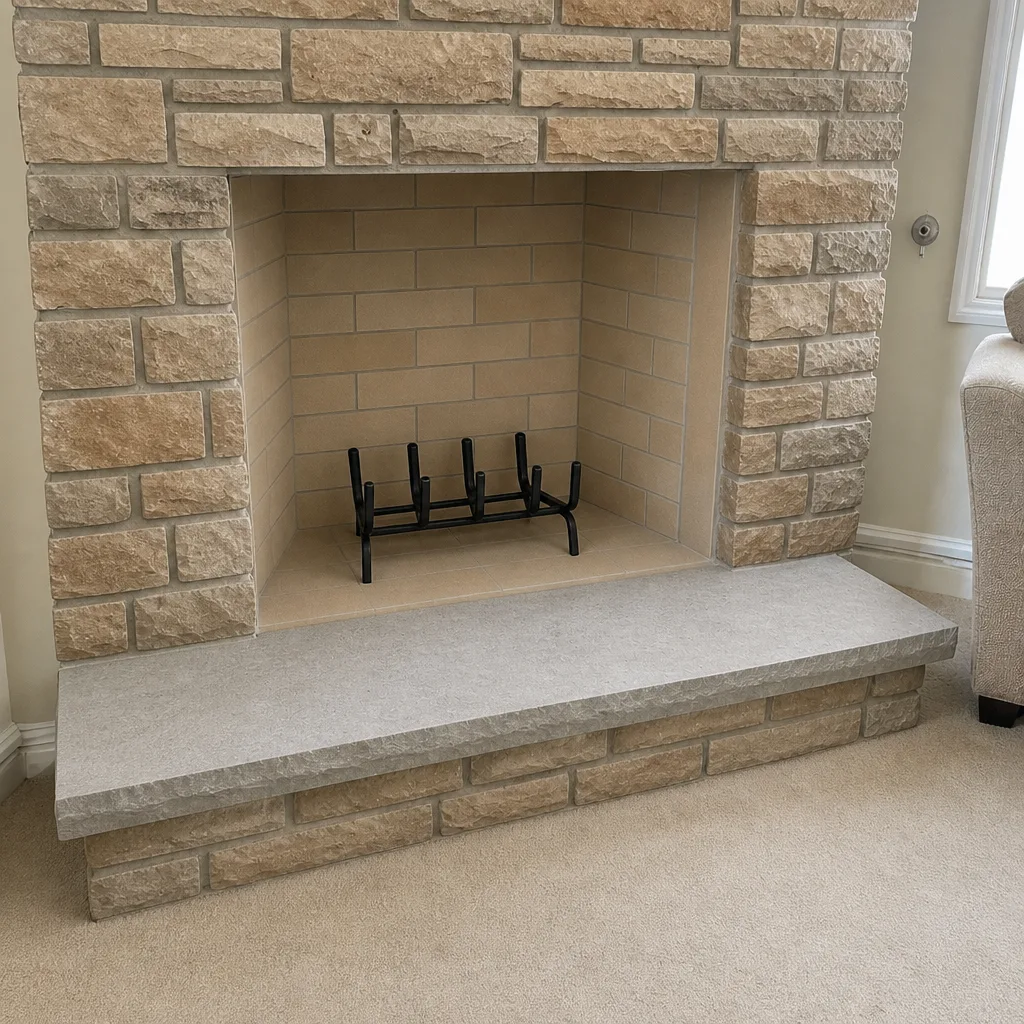
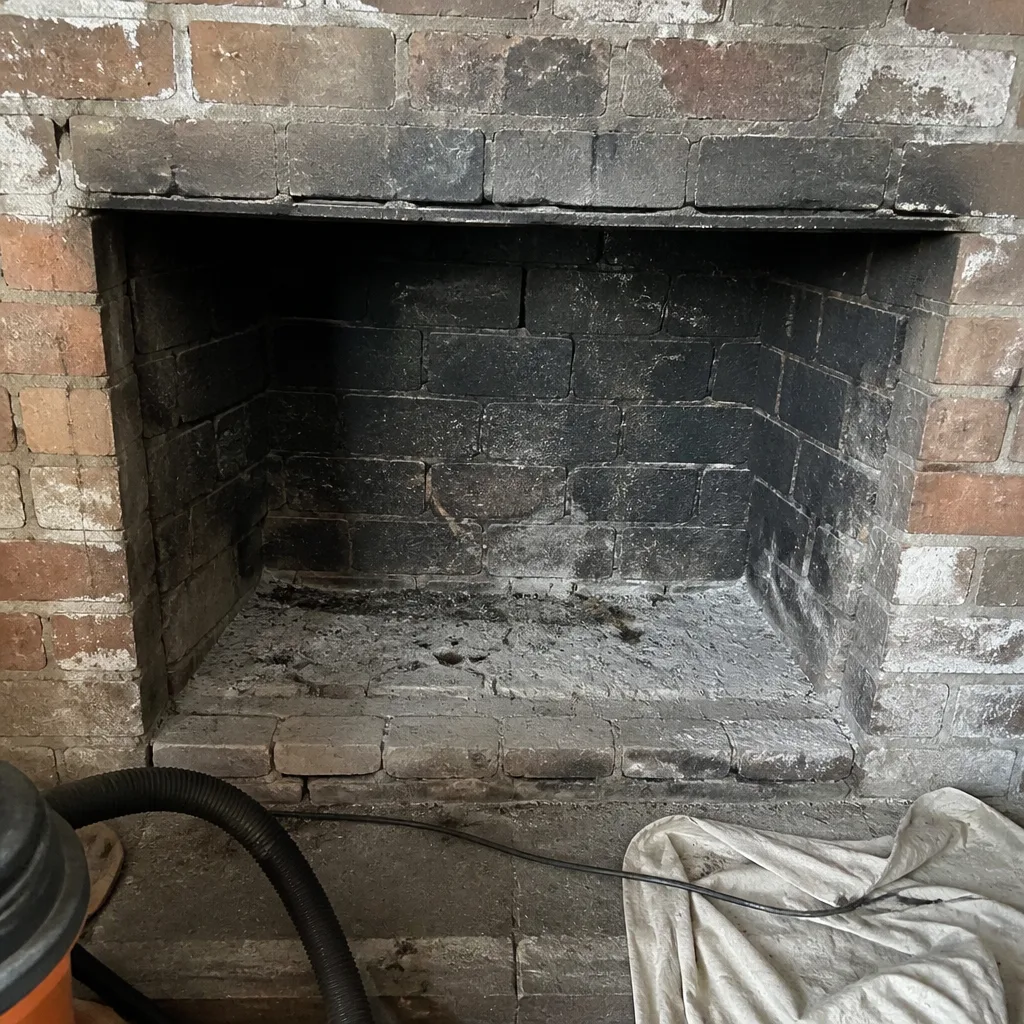
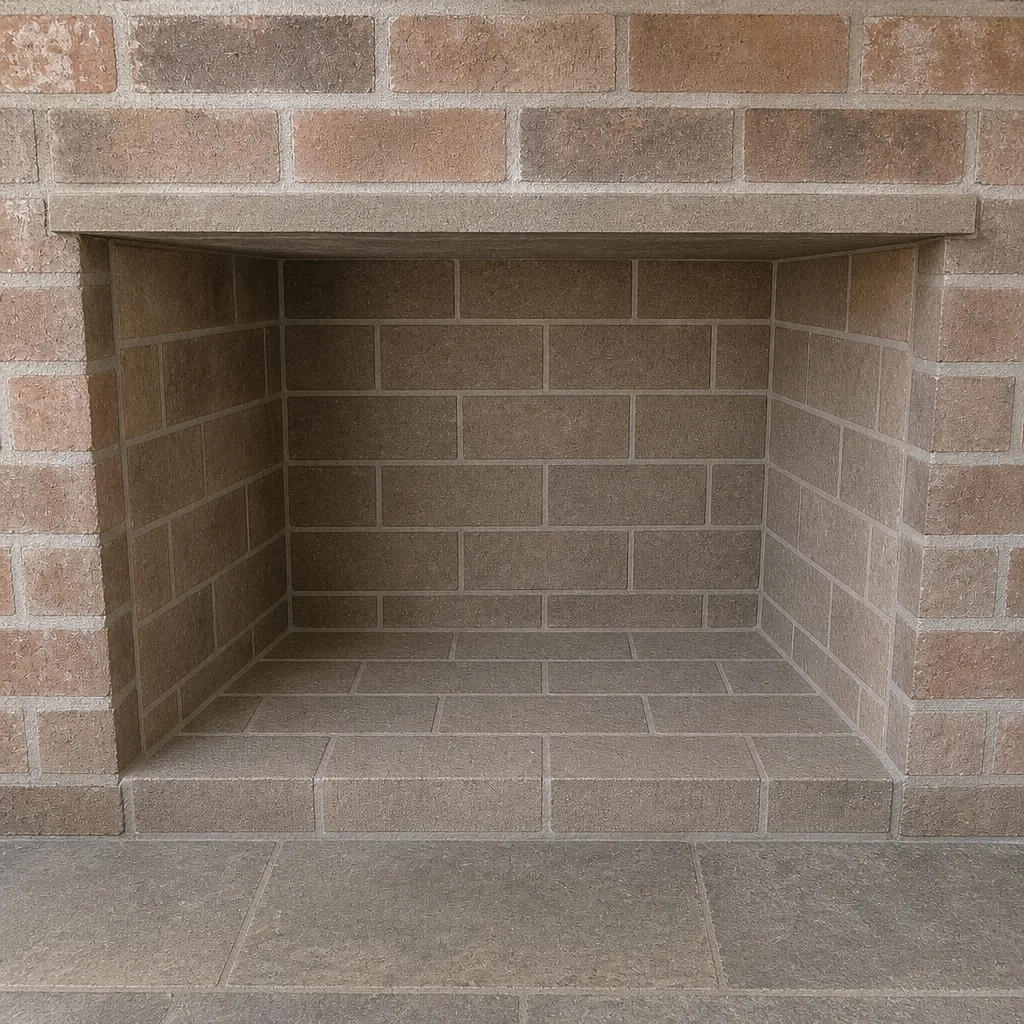
See the difference
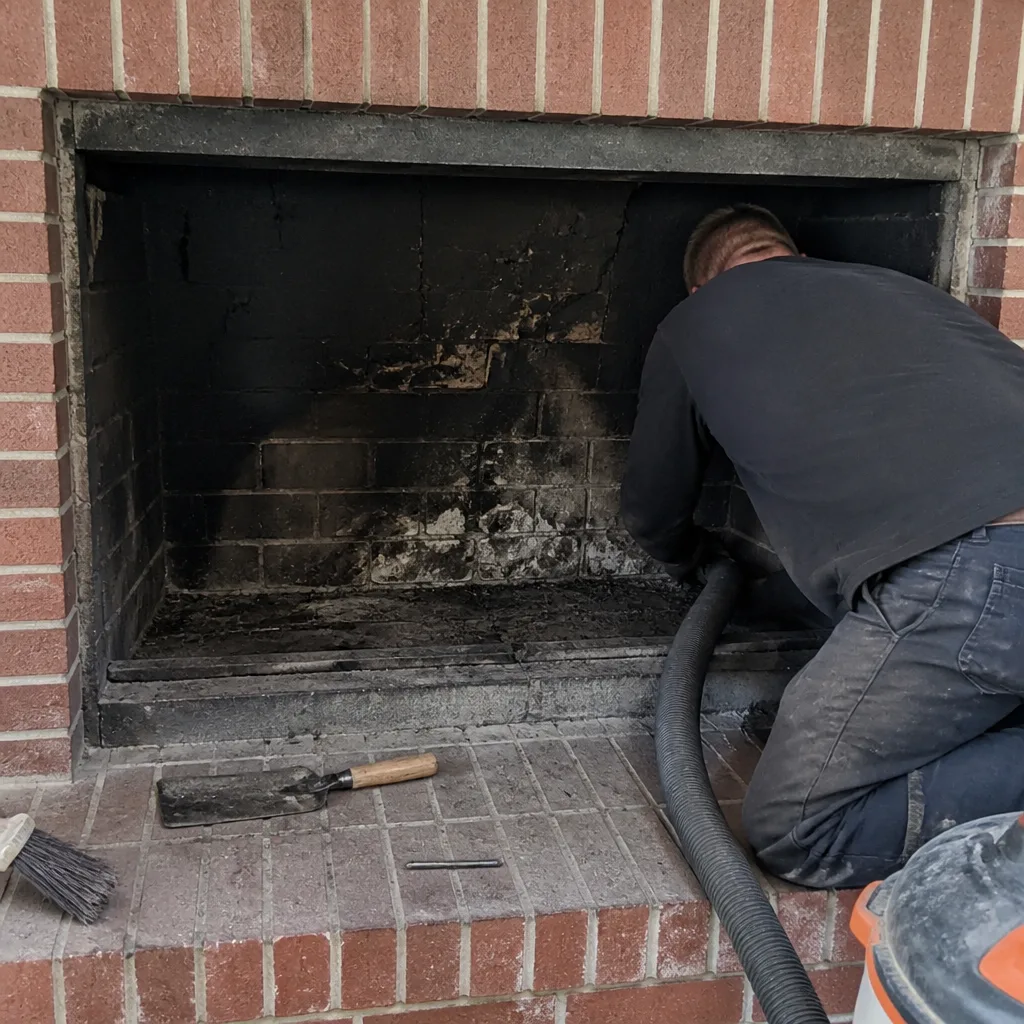 Before
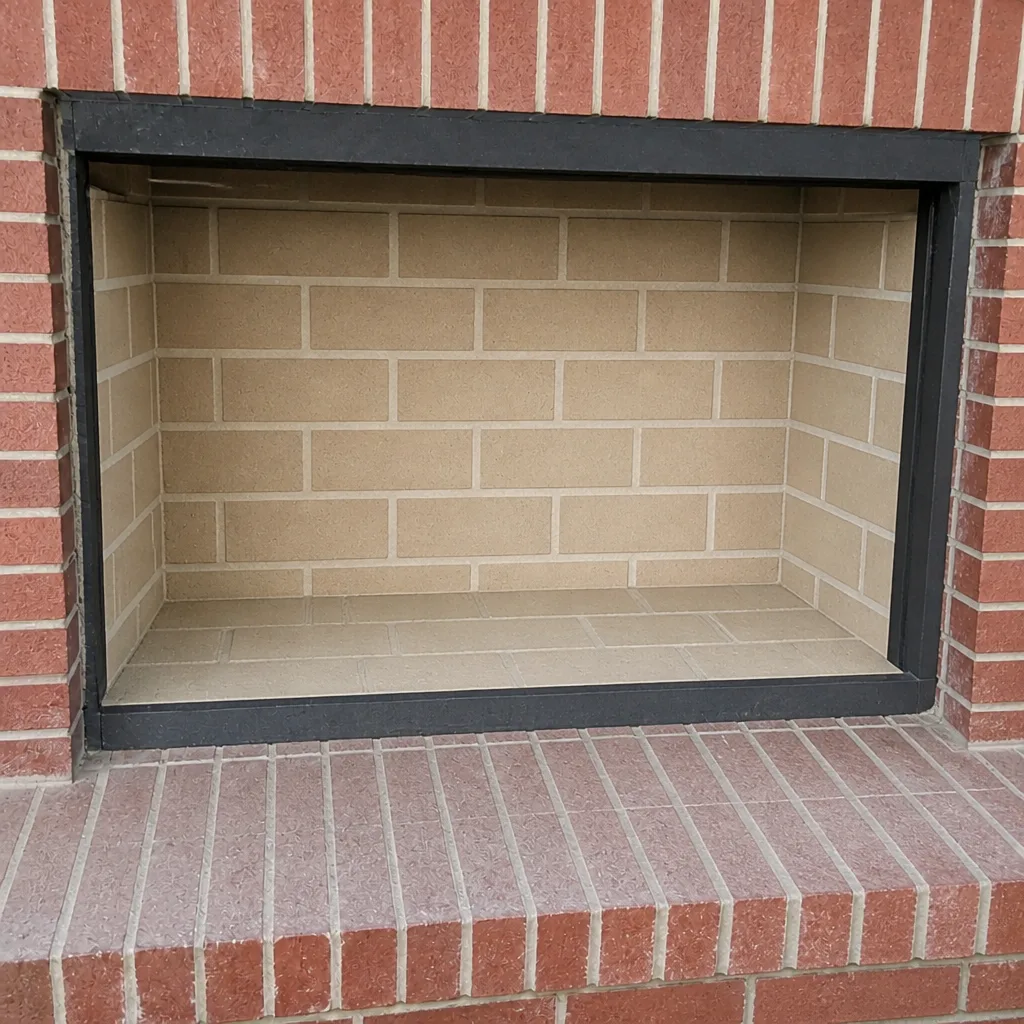 After
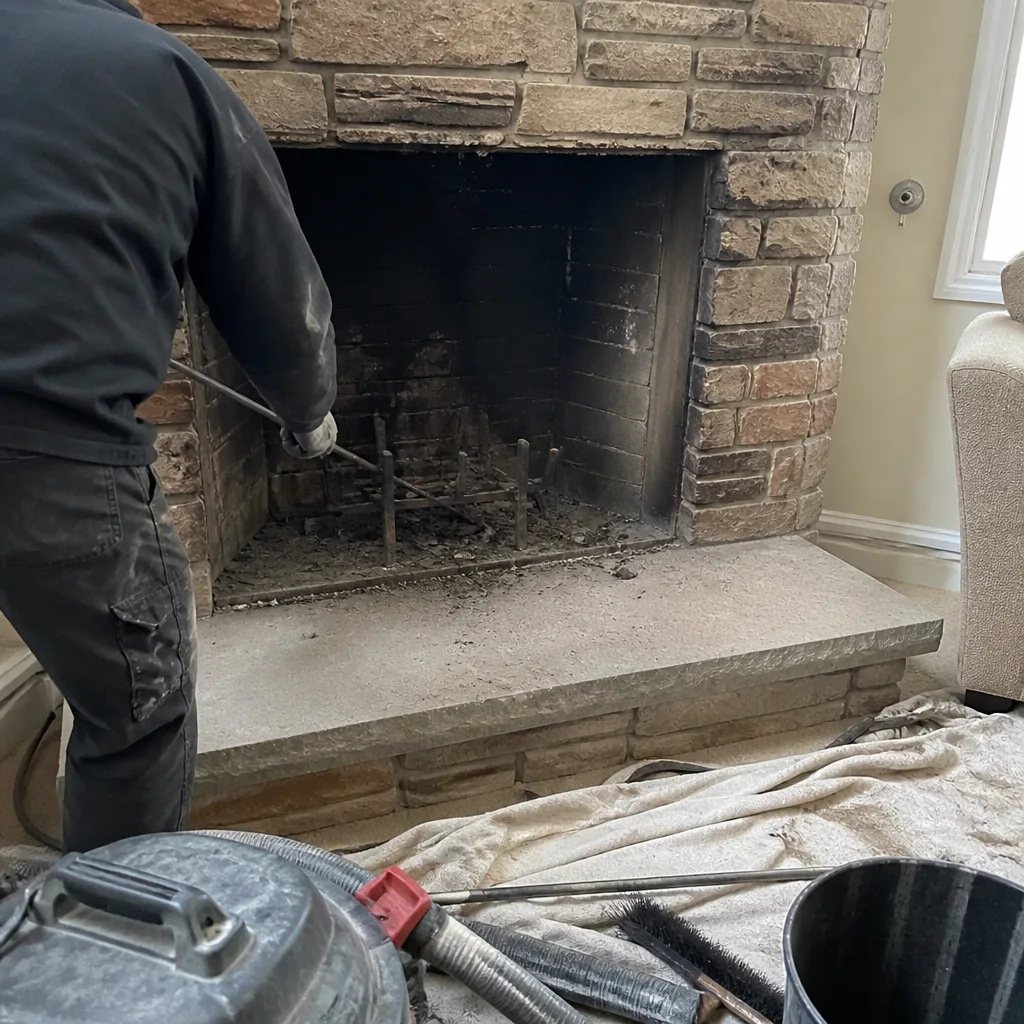 Before
 After
 Before
 After