
Last updated November 24, 2026
 Sweep & inspection
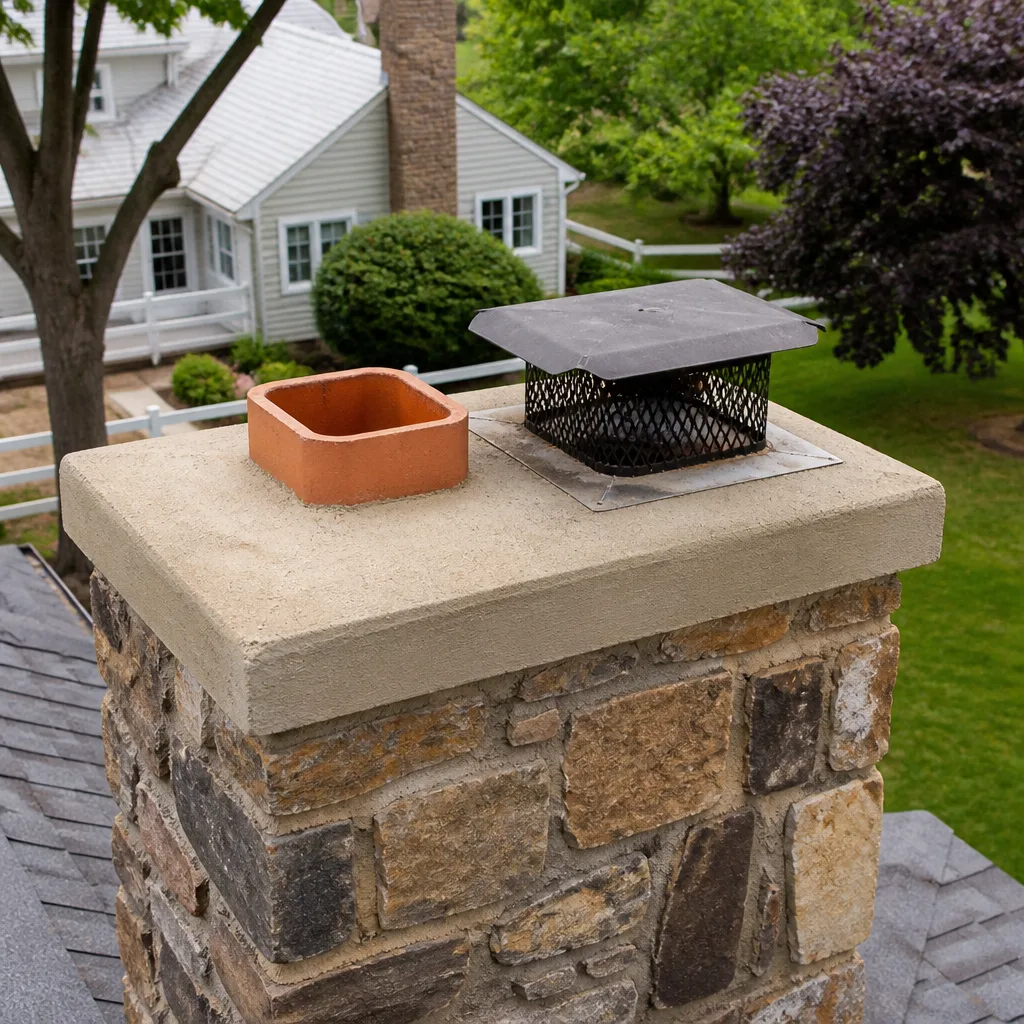
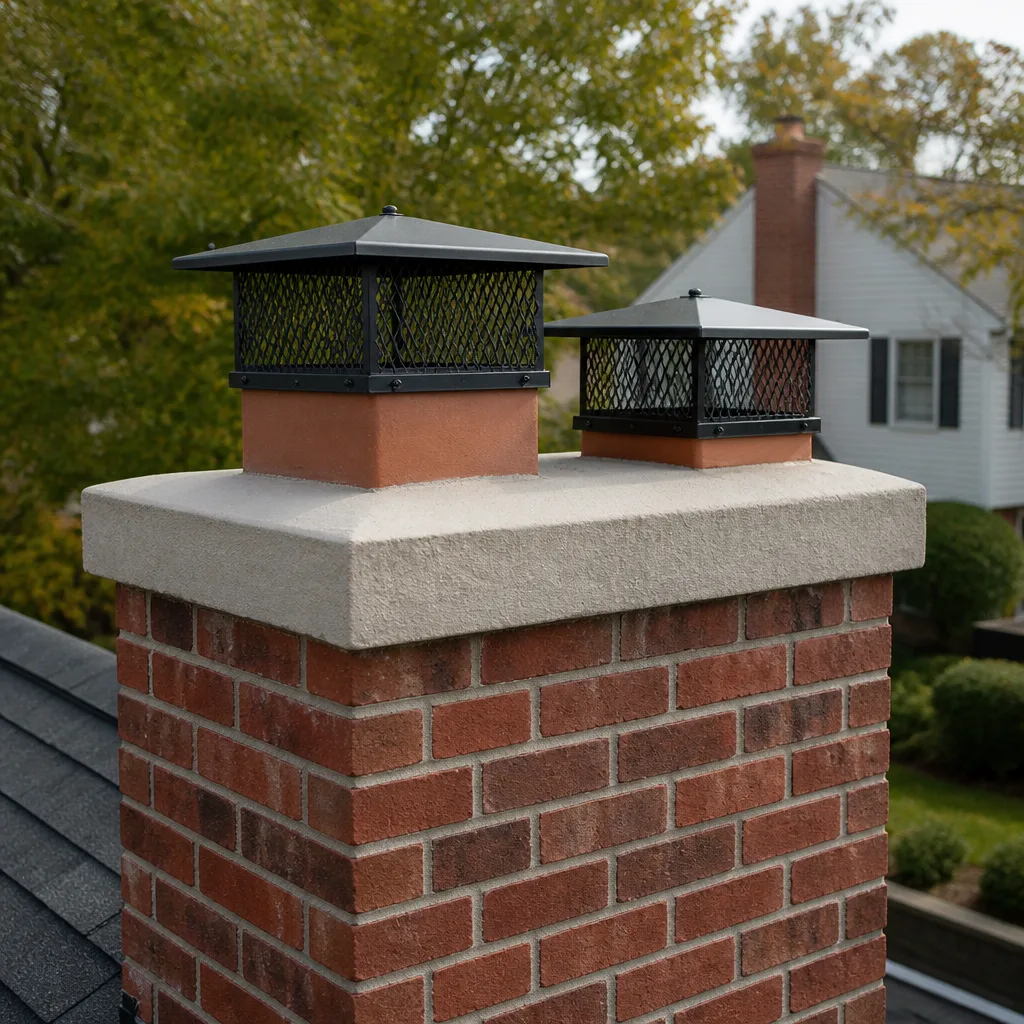 Caps & crowns
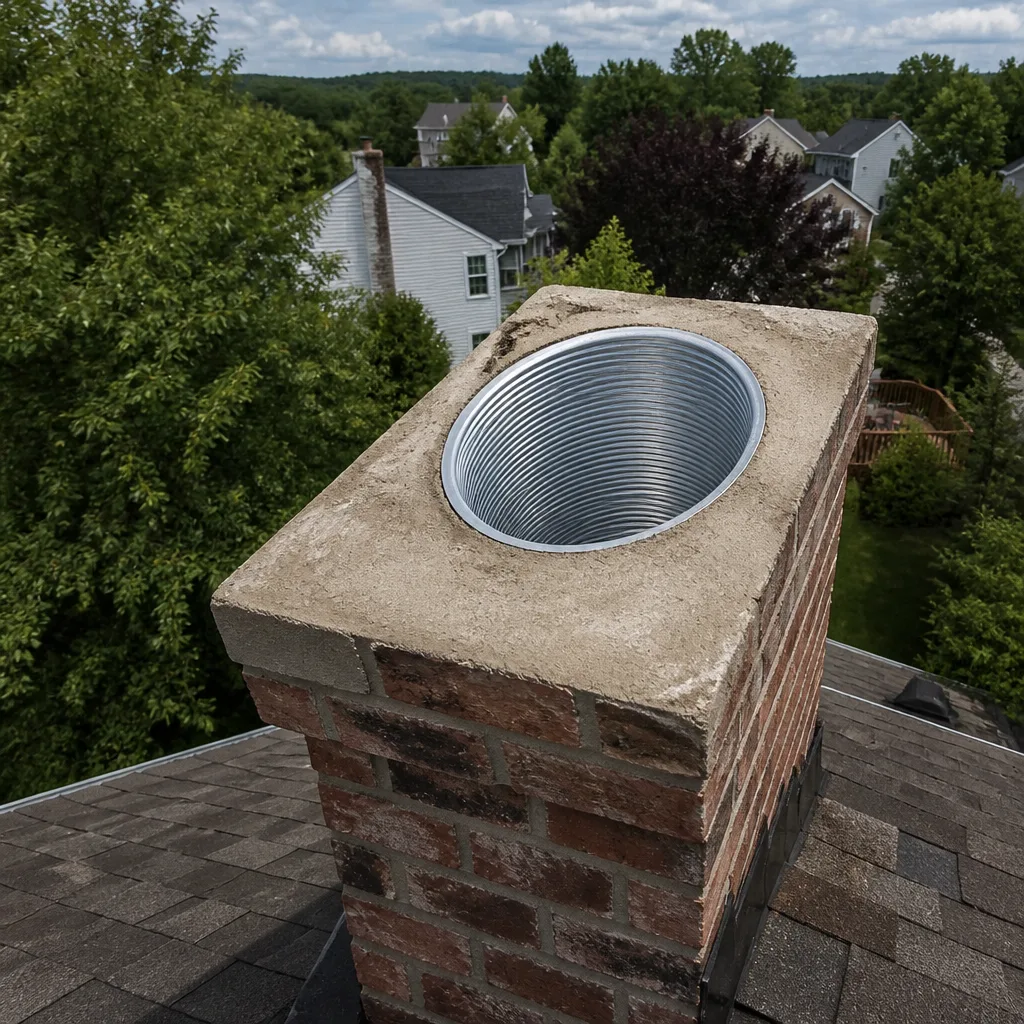 Flue relining
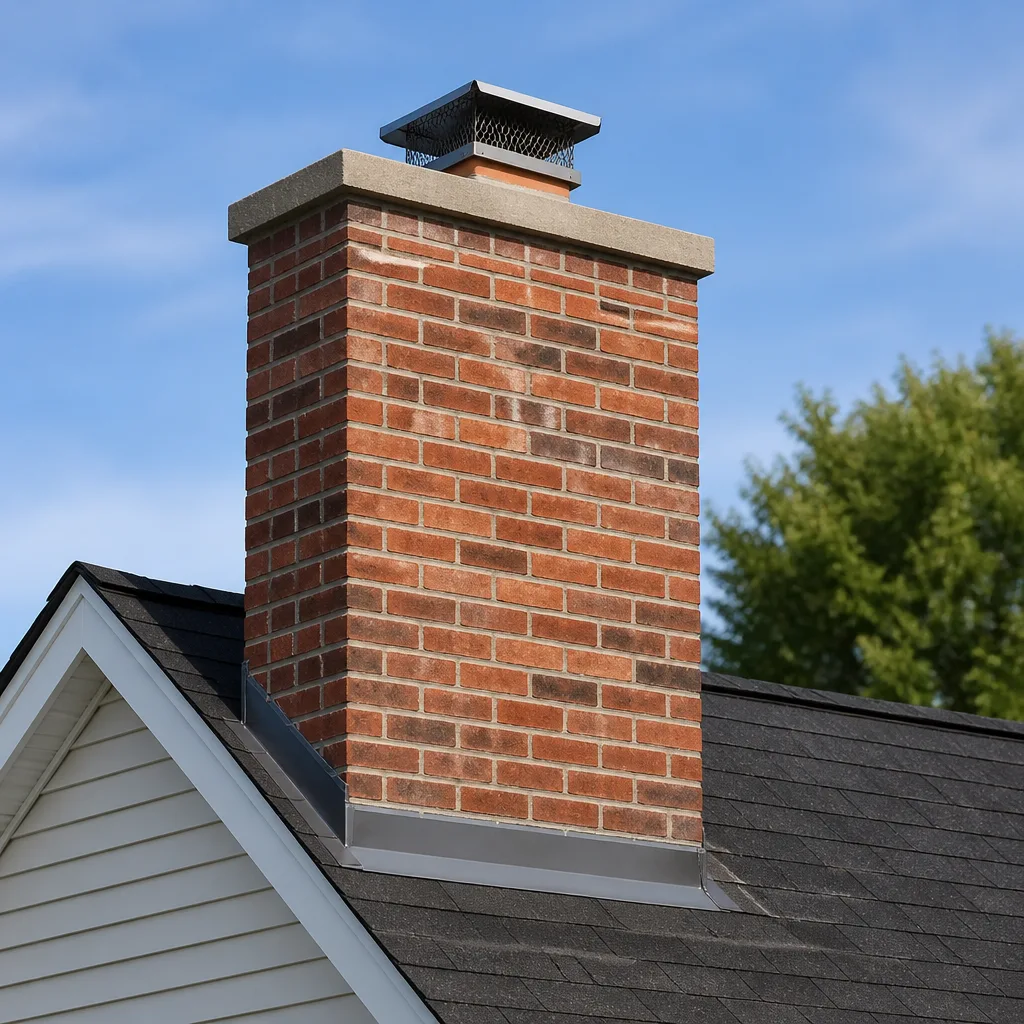 Masonry repair
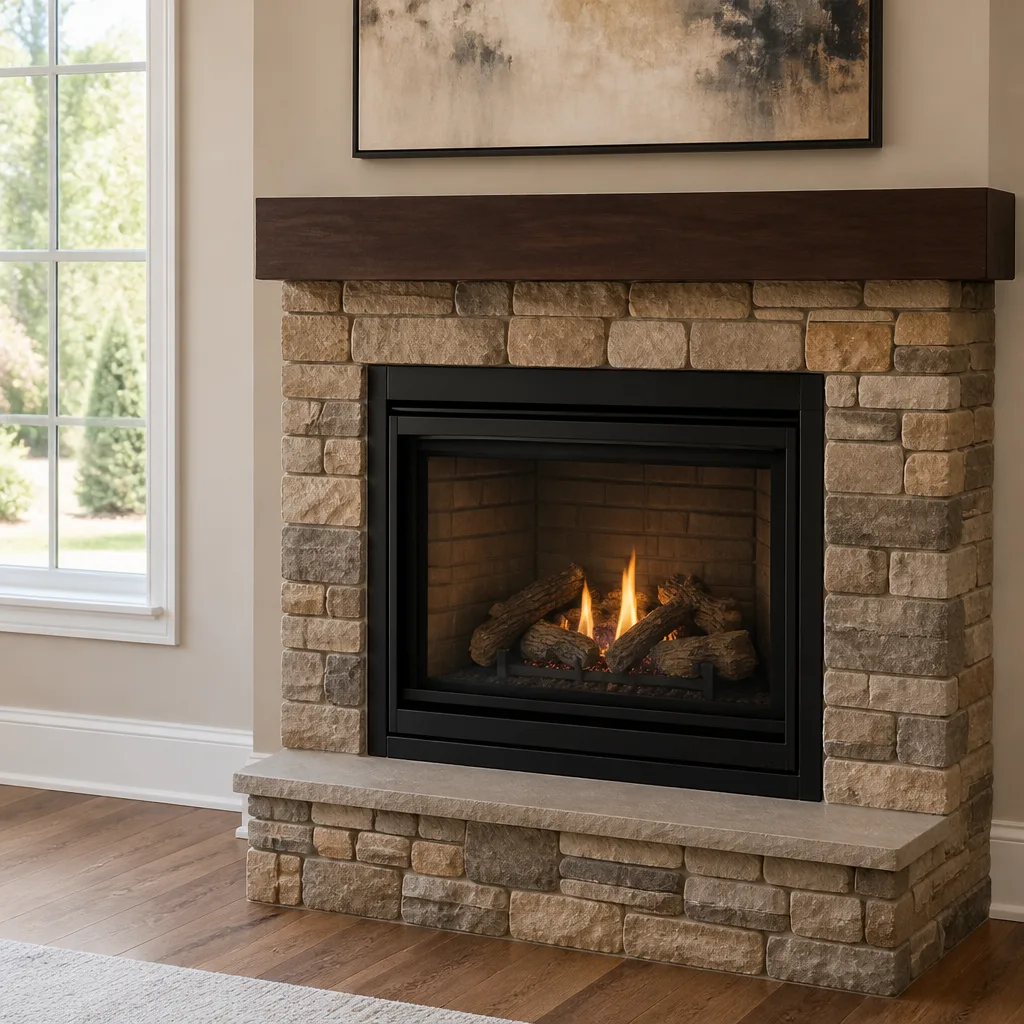 Gas fireplace service
Level 1 sweep and inspection to the NFPA 211 annual standard - flue, crown, cap, and flashing checked and photographed
Chimney sweep logs do not sweep chimneys. They loosen some creosote - which then falls where a brush and vacuum still have to collect it.
DIY vs Professional Chimney Cleaning: The Ogden Homeowner’s Decision Guide
Chimney brushes sit on hardware store shelves next to paint rollers and garden hoses, which makes sweeping a flue feel like a weekend chore. It isn’t. The brush is roughly a tenth of what a professional visit actually covers, and the other nine-tenths is the part that matters: the inspection that tells you whether the chimney you just cleaned is structurally fit to light again. Creosote comes in stages, flue tiles crack in ways a flashlight beam from below won’t show, and the smoke chamber behind the damper is a place most homeowners never look. This guide draws the line at exactly the right spot, from what you can safely handle yourself in Ogden to what genuinely requires a trained technician and the right equipment.
Quick Answer
You can safely remove ash from the firebox, check your cap and crown from the ground, and test the damper by hand. You should not clean the flue, assess liner condition, or judge creosote stage yourself, because the equipment and training to do those things correctly aren’t available to a homeowner. Professional chimney sweep service in Ogden is the right call once a year for a working fireplace, and always before you burn after buying a home or noticing smoke backdrafting.
Styles & brands we work with
- Sweep & inspection
- Caps & crowns
- Flue relining
- Masonry repair
- Gas fireplace service
Table of Contents
- What a Brush Actually Removes (and What It Leaves Behind)
- What You Can Legitimately Do Yourself in Ogden
- The Tasks That Require Professional Equipment and Training
- DIY Kit vs Professional Sweep: An Honest Cost Comparison
- The Ogden Liability Risk Homeowners Don’t Hear About
- How Creosote Stages Change the Job
- The One Scenario Where DIY Makes Sense
- How a Professional Visit Actually Works
What a Brush Actually Removes (and What It Leaves Behind)
A chimney brush removes loose soot and light, flaky creosote from the flue walls. That’s it. It does not remove glazed creosote, it does not clean the smoke chamber, it does not tell you whether the flue tile has a hairline crack running through it, and it does not evaluate whether the liner is attached at the top and bottom the way it’s supposed to be. In our experience, the brush is the visible part of the visit. The diagnostic work is what a professional is actually there for.
Consider what a flue is doing every time you burn. Smoke rises, cools as it travels up the chimney, and deposits creosote on the walls. Some of that creosote is soft and dry. Some is sticky and dense. Some has already baked into a shiny, glassy glaze that a brush will slide right over without touching. The three stages matter because they call for different removal approaches, and mistaking a stage-three glaze for a stage-one flake is a real hazard.
Ogden’s cold winters mean many households burn wood steadily from November through March. That steady use builds deposits faster than occasional burning, and the freeze-thaw cycle along the Wasatch Front can widen existing cracks in the flue tile or the mortar crown over a season. A brush run in October won’t reveal any of that. An inspection will.
Here’s the practical takeaway: if your goal is a clean chimney, brushing removes visible soot but leaves the structural assessment undone. If your goal is a safe chimney, the assessment is the whole point.
What You Can Legitimately Do Yourself in Ogden
Several tasks genuinely belong in a homeowner’s hands. These are the jobs that don’t require climbing, don’t require specialized tools, and don’t create risk if you get them slightly wrong.
Firebox ash removal
Scooping cooled ash from the firebox is safe and appropriate between professional cleanings. Keep about an inch of ash on the firebox floor as a bed for the fire, and remove the rest. Use a metal container with a tight lid, place it outside on a non-combustible surface, and never empty warm ash into a plastic or paper container. Ash can hold heat for a surprisingly long time.
Exterior cap and crown inspection from the ground
Stand back from the house and look up. You can see whether the cap is still attached, whether birds have built a nest in the screen, whether the crown has obvious cracks, and whether the mortar at the top of the stack is crumbling. You’ll need binoculars for anything beyond the most obvious visual check. Photograph what you see, because comparing it year to year tells you whether something is deteriorating.
Damper function testing
Open and close the damper by hand. It should move smoothly without wobbling or sticking. If it does either, note it and mention it at your next professional visit. A damper that won’t open fully is a smoke-in-the-room problem waiting to happen.
Clearing the firebox of debris
Remove leftover wood, paper, and any debris that has accumulated in the firebox. This is basic housekeeping and gives you a good look at the firebox brick and mortar joints. If you see crumbled mortar or cracked brick in the firebox, note it. You don’t need to fix it. You need to show it to a professional.
What all four of these tasks share is that they don’t touch the flue, don’t require judgment about creosote stage, and don’t risk anything structural. They’re also a smart way to stay current with your chimney between annual visits.
The Tasks That Require Professional Equipment and Training
Some parts of a chimney system simply can’t be evaluated or cleaned without the right equipment and the training to interpret what you find. Trying to do these yourself risks damage, injury, and a false sense of security.
- Flue liner condition assessment. The liner is the protective barrier between flue gases and the wood framing of your house. It needs to be evaluated from the top and the bottom, and with a camera. A homeowner standing at the firebox with a flashlight sees maybe the bottom three feet of the flue. The rest is invisible.
- Smoke chamber evaluation. The smoke chamber is the sloped transition between the firebox and the flue. It’s notoriously hard to clean because of its shape, and it’s also where heavy creosote tends to accumulate. Reaching it requires tools that don’t fit through a firebox door.
- Correct identification of creosote stage. A trained technician can tell stage-one flake from stage-two sticky from stage-three glazed at a glance, because they’ve seen thousands of chimneys. Misreading the stage means using the wrong removal method, which either wastes effort or leaves dangerous buildup in place.
- Rotary or chemical treatment for heavy deposits. Stage-two and stage-three creosote need rotary cleaning equipment or chemical treatment systems. Neither is sold at a hardware store, and both require training to use safely.
- Camera inspection. A camera run through the flue reveals cracks, breaks, gaps in the liner, obtrusions, and buildup patterns that no visual inspection can match. This is the standard of care for any chimney evaluation.
- Structural repair assessment. Cracks in the crown, spalling brick, missing mortar joints, and damaged flashing are all signs of a system that needs more than a sweep. Assessment belongs to a specialist, not a general contractor.
Every one of these tasks requires training, equipment, and the judgment that comes from having done them on hundreds of chimneys. Our technicians have up to 9 years of experience, which is the kind of tenure that turns a routine inspection into a real evaluation of the system.
DIY Kit vs Professional Sweep: An Honest Cost Comparison
A homeowner weighing DIY against professional cleaning usually frames it as dollars: kit versus service. The actual comparison is more interesting, because the DIY kit doesn’t include the diagnostic value that is most of what you’re paying a professional for.
What a DIY chimney cleaning kit actually costs
- Poly or wire brush sized to your flue: usually a basic hardware-store purchase
- Rods to push the brush up the flue: sold separately, often skipped
- Drop cloths, dust masks, goggles, gloves
- A shop vac rated for fine soot (a standard vac will clog or fail)
- Replacement of anything that gets damaged in the process
- Your time, and the risk of missing a structural problem a camera would have caught
What a professional sweep covers
- Brush and rotary cleaning of the full flue
- Smoke chamber cleaning
- Camera inspection of the flue interior
- Assessment of the cap, crown, flashing, and firebox
- A written report of condition, with photographs
- A clear answer on whether the chimney is safe to use, and what (if anything) needs repair
The comparison isn’t kit cost against sweep cost. It’s kit cost against sweep cost plus the cost of the inspection you’d otherwise have to book separately anyway. And that inspection is what tells you whether the chimney is structurally fit to keep using. If a flue tile is cracked, brushing didn’t fix it, and you won’t know it’s cracked until something goes wrong or someone runs a camera through it.
We inspect before we recommend, not the other way around. That’s not just a slogan – it’s the reason we can tell a homeowner honestly when a chimney is fine and work can safely wait.
The Ogden Liability Risk Homeowners Don’t Hear About
Here’s a fact that rarely comes up in the DIY chimney cleaning conversation: if a chimney fire happens after a self-performed cleaning with no documented professional inspection, a homeowner’s insurance claim can be disputed. The insurer will likely ask for evidence the chimney was inspected by a qualified professional before the fire. Without that documentation, the claim may face questions or pushback that a routine professional sweep would have avoided entirely.
This isn’t a hypothetical. Chimney fires are one of the most common causes of home heating-related claims, and insurers are increasingly looking for maintenance records when a claim comes in. A dated inspection report from a qualified professional is real evidence that maintenance was done and the chimney was safe to use. A receipt for a brush at the hardware store is not.
Ogden’s older housing stock makes this more relevant than it might sound elsewhere. Homes in neighborhoods like the Avenues and East Central Ogden often have original masonry chimneys with decades of use behind them, and the transition to high-efficiency wood stoves can change how creosote forms in a flue that was built for an open fireplace. If your home has been burning wood for many winters without an inspection, the documentation question is worth taking seriously.
If you’re unsure about your own chimney’s history, a professional inspection answers it directly. Original documentation matters most, and a fresh inspection report is easy to obtain.
How Creosote Stages Change the Job
Creosote builds up in three stages, and the stage determines what kind of removal the chimney actually needs. This is the piece most homeowner guides skip, and it’s the piece that explains why professional cleaning is priced per job rather than as a flat number.
Stage 1: Soot and flaky creosote
Fresh, light deposits that look like black ash. A standard chimney brush removes most of it. This is the stage a homeowner can think about when they run a brush themselves, and it’s also the stage a professional sweep is quickest to clean.
Stage 2: Sticky, dense creosote
Darker, harder, and sticky to the touch. A standard brush often glides over it rather than removing it. Professionals use rotary cleaning equipment or chemical treatments to break it down, because a brush alone won’t do the job.
Stage 3: Glazed creosote
Baked into a hard, glossy crust that looks like tar. A standard chimney brush barely touches it. This is the stage that most worries professional sweepers, because it is highly combustible and can’t be brushed away. Rotary equipment and, in some cases, resurfacing systems are what’s needed. HeatShield ceramic resurfacing technology, for example, is a professional restoration system for damaged flue liners that most general contractors cannot offer, and it plays a role when creosote damage has compromised the liner itself.
The rule of thumb: if you don’t know which stage your chimney is in, that’s the reason to have a professional look at it. A trained eye can tell in a minute what a homeowner spending an afternoon with a shop vac will likely miss.
The One Scenario Where DIY Makes Sense
There is exactly one scenario where we think a homeowner should manage the chimney themselves: mid-season firebox ash between annual professional cleanings.
Here’s how to handle it safely:
- Wait for the fire to go fully out and the ash to cool completely. This means overnight, at minimum, and longer for a deep bed of embers.
- Leave about one inch of ash on the firebox floor. That bed of ash protects the firebox brick and helps the next fire start. Remove the rest.
- Use a metal scoop and a metal ash container with a tight-fitting lid. Never use a plastic bucket, a cardboard box, or a paper bag.
- Set the container outside on a non-combustible surface. A concrete pad, gravel, or brick works. Not a wood deck, not a plastic patio table.
- Hose down and cover the outside area near where you emptied the container, and check on it before going inside for the night.
- Spread out the remaining ash as a thin layer. Never leave a pile where wind could pick up residue.
That’s the whole list. Everything else – flue cleaning, liner assessment, cap and crown repair, and rebuilding damaged mortar or firebox brick – belongs to a professional trained to do it correctly. Our full-service fireplace repair covers damaged fireboxes and mortar joints, so if you notice something while emptying ash, we can address it at your next service visit rather than sending you to a general contractor.
How a Professional Visit Actually Works
A professional sweep done properly is a full inspection wrapped around a cleaning. Here’s what to expect from booking to report.
- Initial walkthrough. The technician looks at the firebox, the damper, the hearth, and the visible portions of the chimney from inside the house before pulling out a single tool.
- Exterior check. Cap, crown, flashing, and masonry condition get assessed from the roof or the ground depending on access and safety.
- Brush or rotary cleaning. Depends on creosote stage. Stage-one deposits get brushed, stage-two and stage-three get rotary or chemical treatment.
- Smoke chamber cleaning. Dedicated tools reach areas a brush alone can’t.
- Camera inspection. A camera run through the flue reveals cracks, liner condition, obtrusions, and anything else that needs attention.
- Written report. You get documentation of condition, with photographs, and a clear recommendation of what (if anything) needs repair.
- Cap and crown assessment. If the chimney cap & crown needs replacement or repair, you’ll know before the visit ends.
For most working wood-burning fireplaces, this visit happens once a year, ideally before burning season starts. For homes that burn heavily through Ogden winters, or that have converted to a wood stove insert, twice a year is reasonable. The visit also produces the written documentation you want in case of a future insurance claim.
We stock and install professional-grade components from suppliers like Famco, Copperfield, DuraFlex, and HeatShield, which means liner replacement and cap work don’t require ordering and waiting. Full relining jobs and liner restoration can be handled on the same visit as the sweep, which keeps the whole project under one roof.
Common Mistakes to Avoid
- Burning a chimney-cleaning log in place of an annual sweep. Those logs are meant to loosen light deposits between cleanings, not replace a proper sweep. They don’t clean the smoke chamber, and they don’t include an inspection.
- Running a brush up the flue without looking up first. You can damage a fragile flue tile, break a liner component, or dislodge a bird nest into the flue, which can lead to a blockage. Ogden’s dry winters send birds and squirrels looking for shelter, and a nest check matters before any cleaning.
- Assuming visible smoke backdrafting is a damper issue. It can be a sign of a blocked flue, a broken liner, or negative pressure in the house. These are very different problems and require different fixes. A professional assessment matters here.
- Skipping the cap because the chimney “looks fine.” A missing or damaged cap lets in rain, snowmelt, and wildlife. Over time, moisture damage to the flue is often worse than creosote buildup. It’s one of the most common reasons we see liner repairs in Ogden.
- Cleaning the firebox but not disposing of ash properly. Ash looks cold after hours but can hold heat for a long time. Placing ash in a plastic bucket on a wood deck is one of the most avoidable fire risks there is.
- Skipping a professional sweep in the first year after buying a house. The previous owner’s burning habits, the condition of the liner, and the actual state of the crown are all unknowns. An inspection is the fastest way to turn them into knowns.
- Chasing the cheapest quote. A swept chimney is worth very little if the sweep didn’t include a camera inspection and a written report. Ask what’s included, not just what it costs.
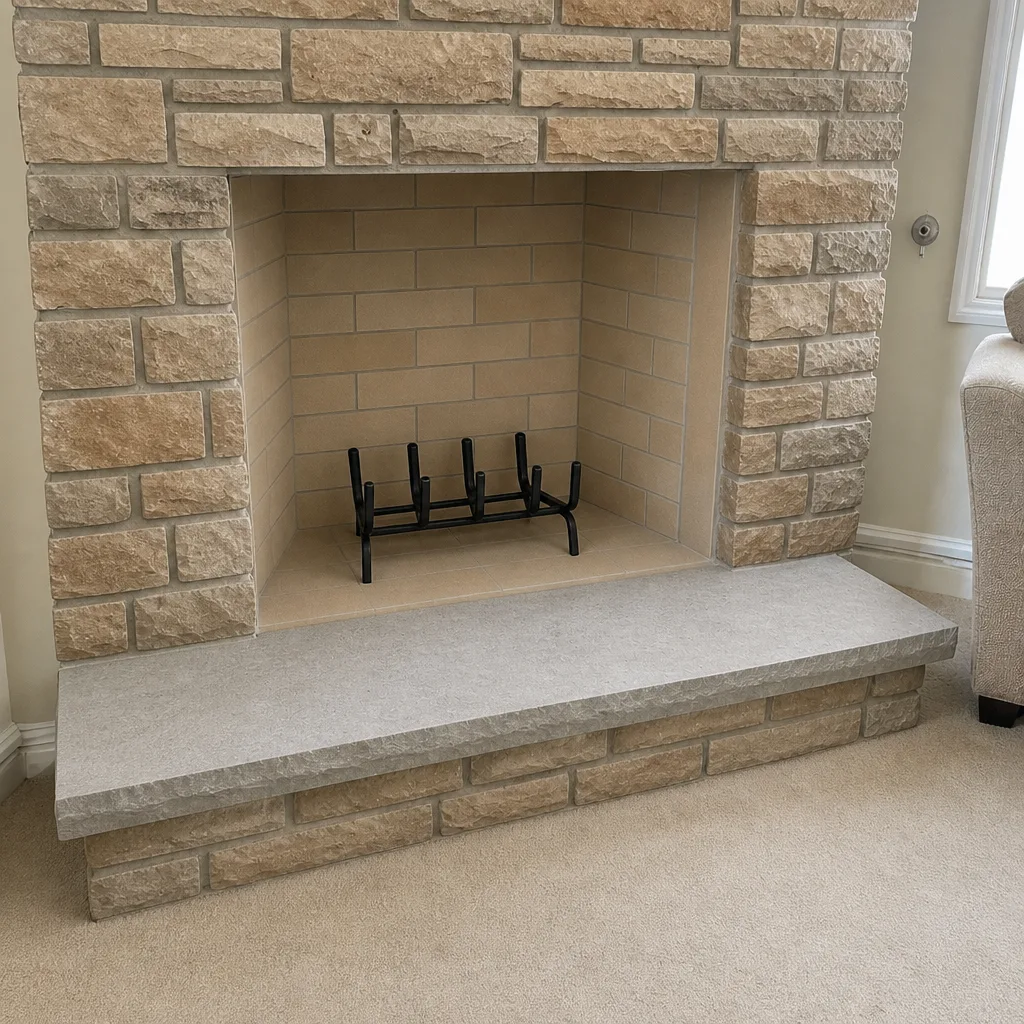
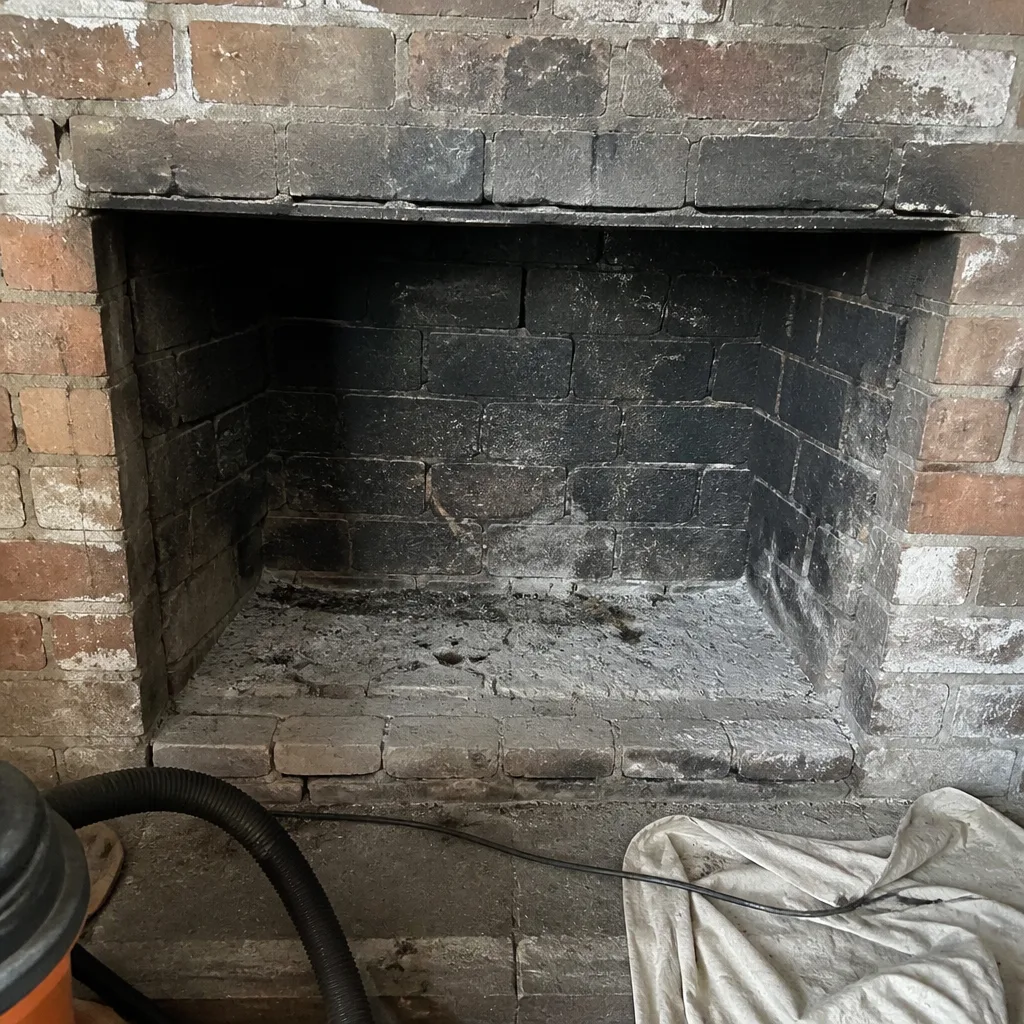
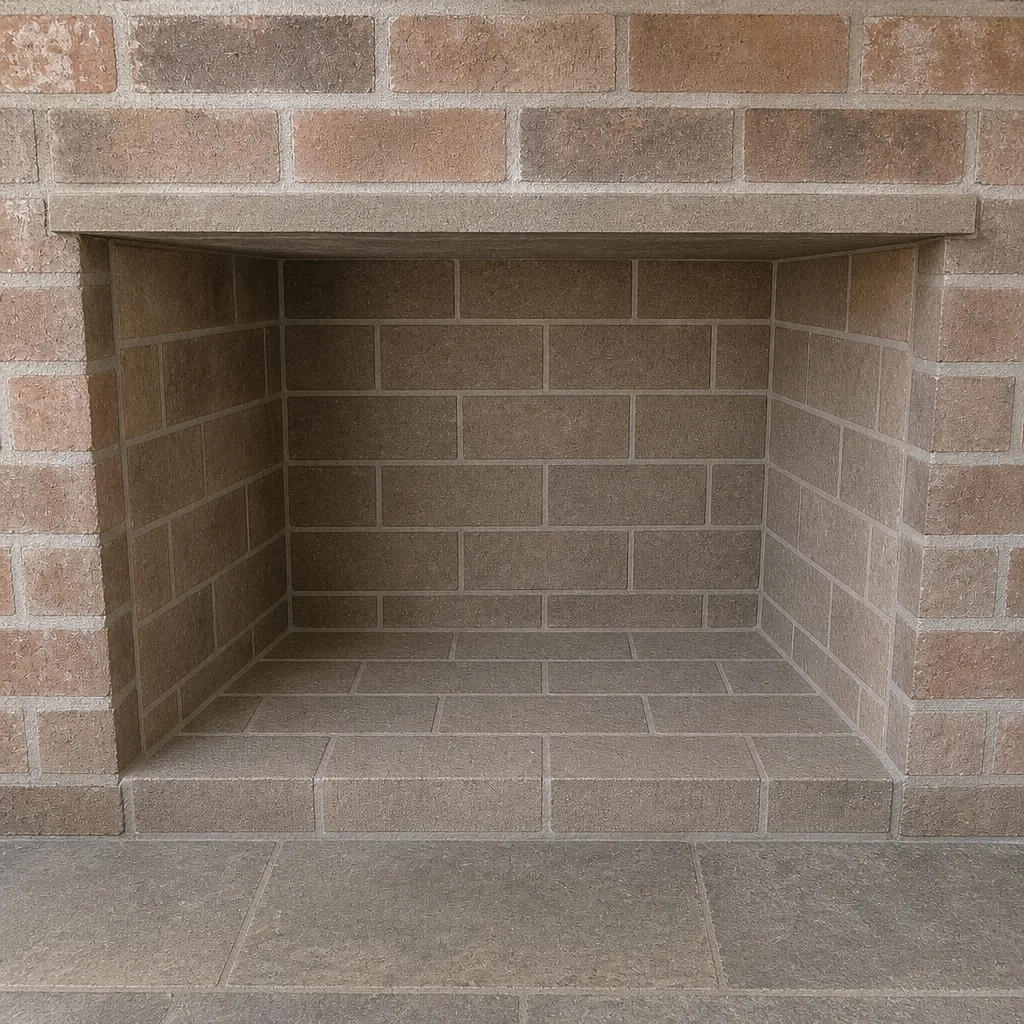
See the difference
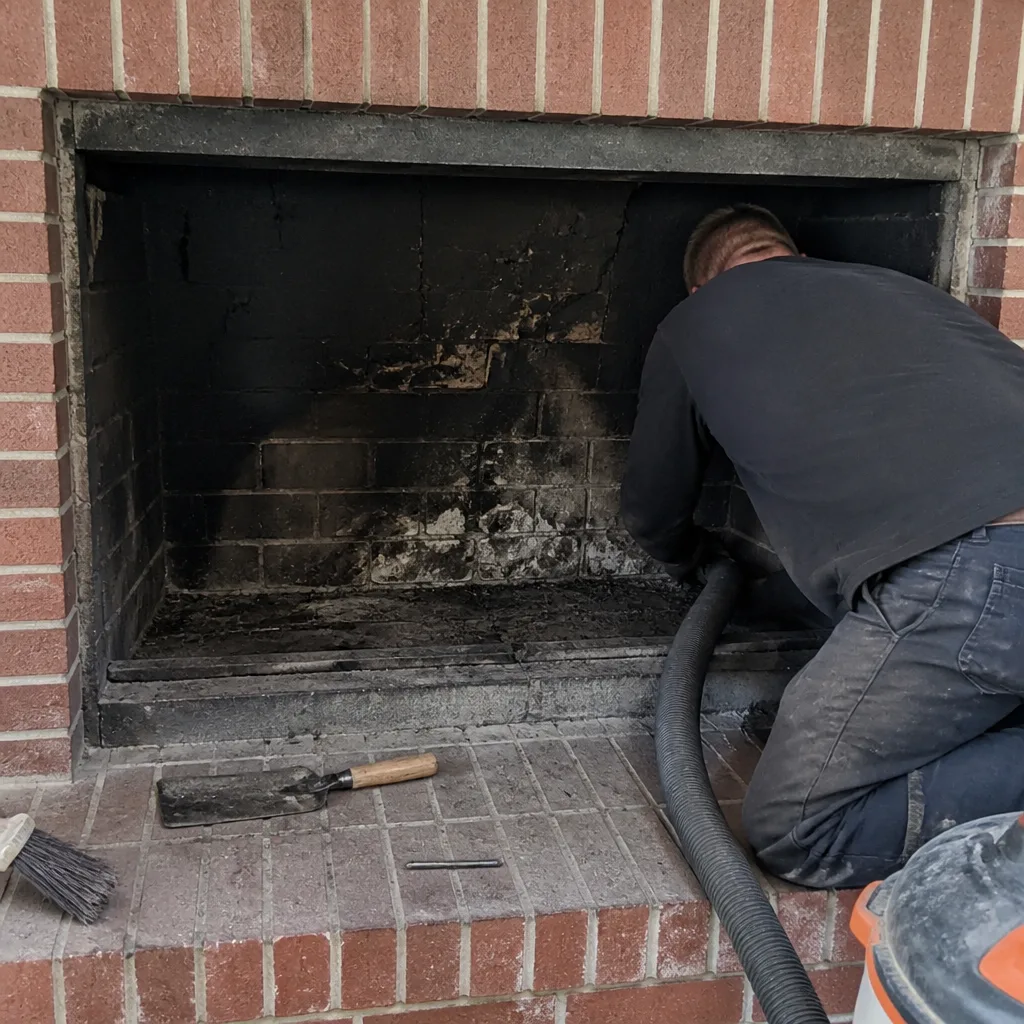 Before
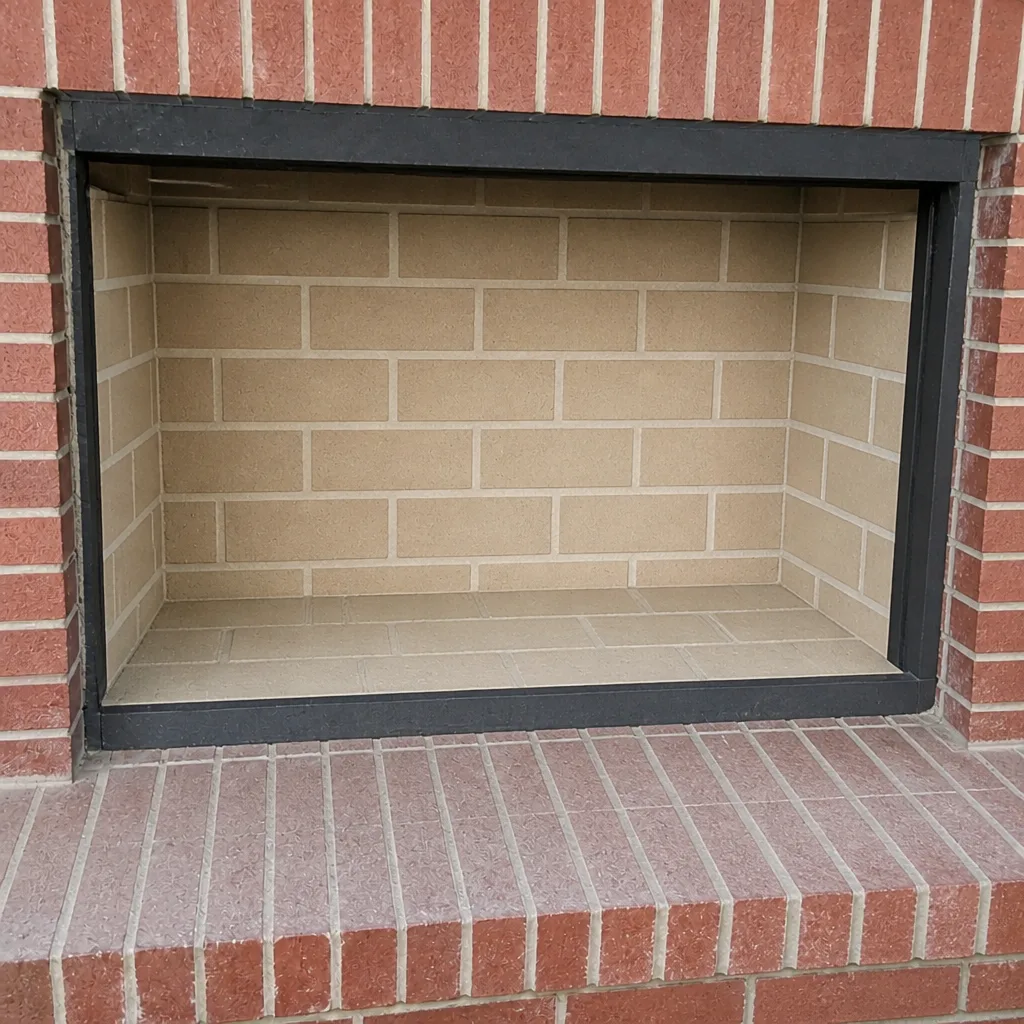 After
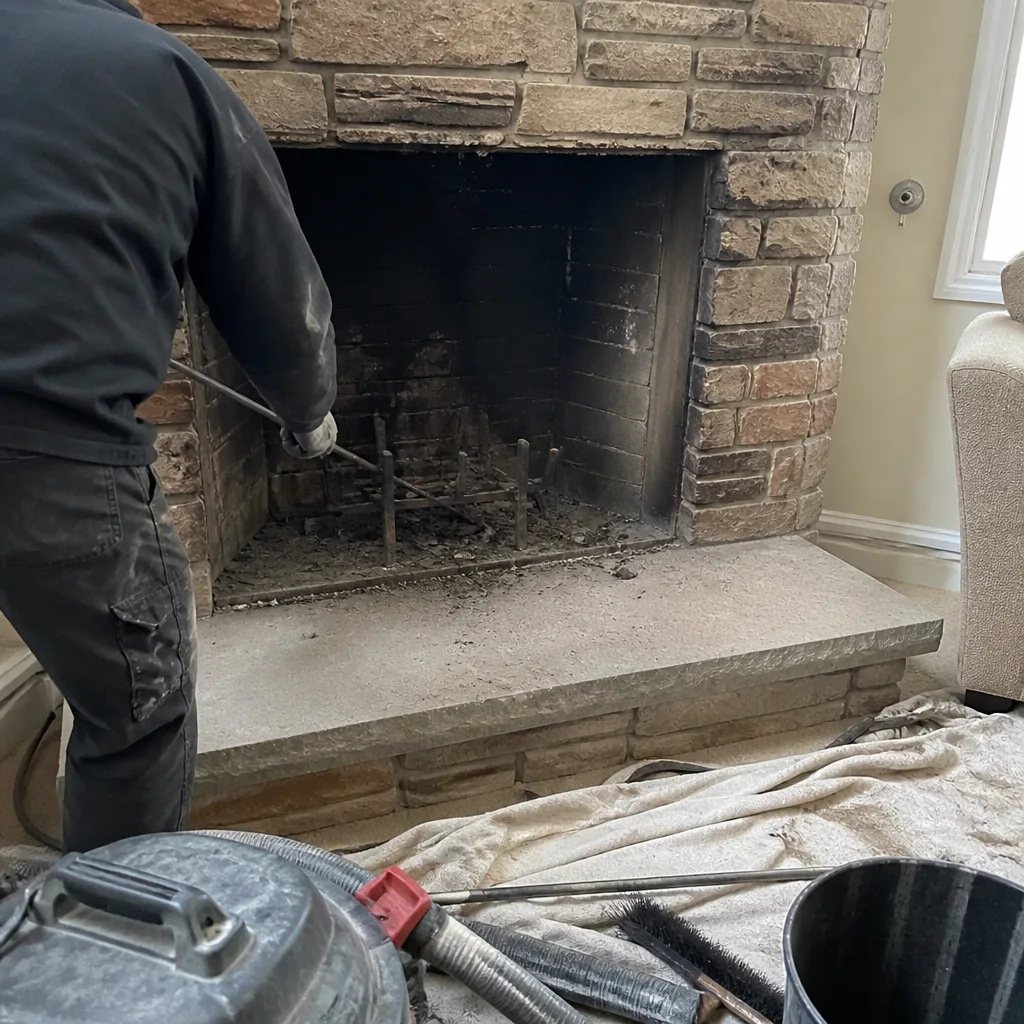 Before
 After
 Before
 After
When to Call a Professional
Call us when you’ve never had the chimney inspected, or haven’t had it checked in more than a year. Call us when you notice smoke backdrafting into the room, when you see crumbled mortar or a missing cap, when you’ve just bought a home with a wood-burning fireplace, or when you’re seeing signs of heavy creosote buildup through the damper. Call us if the chimney has been through a chimney fire, even a small one, because the liner may need to be evaluated. In Ogden, burning season tends to arrive fast, and getting on the schedule ahead of the cold snap is easier than trying to fit a service in after the first hard freeze. Safe chimney work belongs with a chimney specialist, not a general handyman.
Chimney Sweep Ogden offers free estimates in Ogden. Call (833) 918-6769. We answer 24/7. Fast dispatch from 7am to 7pm, Sunday through Friday.
Frequently Asked Questions
A typical professional chimney sweep in Ogden usually depends on the flue size, the creosote stage, and whether the service includes a camera inspection. The written estimate sets the final price, and the estimate itself is free. Expect the price to reflect a full cleaning plus inspection, not just a brush run. Call (833) 918-6769 for an exact quote, because pricing is per job by estimate.
Yes, if you use the fireplace regularly. The annual visit is what catches changes in the liner, creosote stage, cap condition, and crown integrity before they become repair problems. A homeowner’s visual check can’t substitute for those assessments, and it can’t produce the written documentation that an insurance claim would need. The yearly visit is also the cheapest form of maintenance a chimney gets.
You can safely remove ash from the firebox and clear debris, but you should not try to clean the flue yourself. A brush kit removes light surface soot from the bottom of the flue, but it can’t reach the smoke chamber, assess the liner, or correctly identify the creosote stage. Attempting it risks damaging the flue tile or missing a structural problem. That’s the job for a trained technician with the right equipment.
Once a year for a working fireplace, and twice a year if you burn heavily through the winter or have converted to a wood stove insert. In Ogden, that often means scheduling before November so the chimney is clean before the cold sets in. If you notice smoke backdrafting or heavy deposits during burning season, call for an inspection sooner rather than waiting for the next annual visit.
Creosote builds up in the flue over time, and stage-two and stage-three deposits are the fuel that chimney fires burn. Skipping the annual visit also means liner cracks, cap damage, and crown deterioration go unnoticed until they cause a bigger problem. If a chimney fire ever does happen, having no documented professional inspection history can complicate an insurance claim. The cost of skipping the visit is always higher than the visit itself. Call (833) 918-6769 to get on the schedule.
No. Those logs loosen light deposits between cleanings, but they do not clean the smoke chamber, do not inspect the flue, and do not produce a written record of condition. They’re a between-cleaning aid, not a substitute for a professional sweep. If you’re relying on a log instead of a sweep, you’re probably missing the diagnostic value that keeps the chimney safe.
The Bottom Line
The DIY vs professional chimney cleaning question comes down to what a brush can and can’t do. A brush removes loose soot. It doesn’t evaluate the liner, it doesn’t identify creosote stage, it doesn’t clean the smoke chamber, and it doesn’t produce the written documentation that matters for insurance. What you can safely do yourself is ash removal, ground-level visual checks of the cap and crown, damper testing, and basic firebox upkeep. Everything else belongs to a chimney specialist with the equipment and training to evaluate the entire system. If you’re in Ogden and you haven’t had the chimney inspected this year, a free estimate from Chimney Sweep Ogden is the simplest way to find out where your chimney actually stands. Call (833) 918-6769 and we’ll get you scheduled.
Written by the team at Chimney Sweep Ogden.