
Last updated November 24, 2026
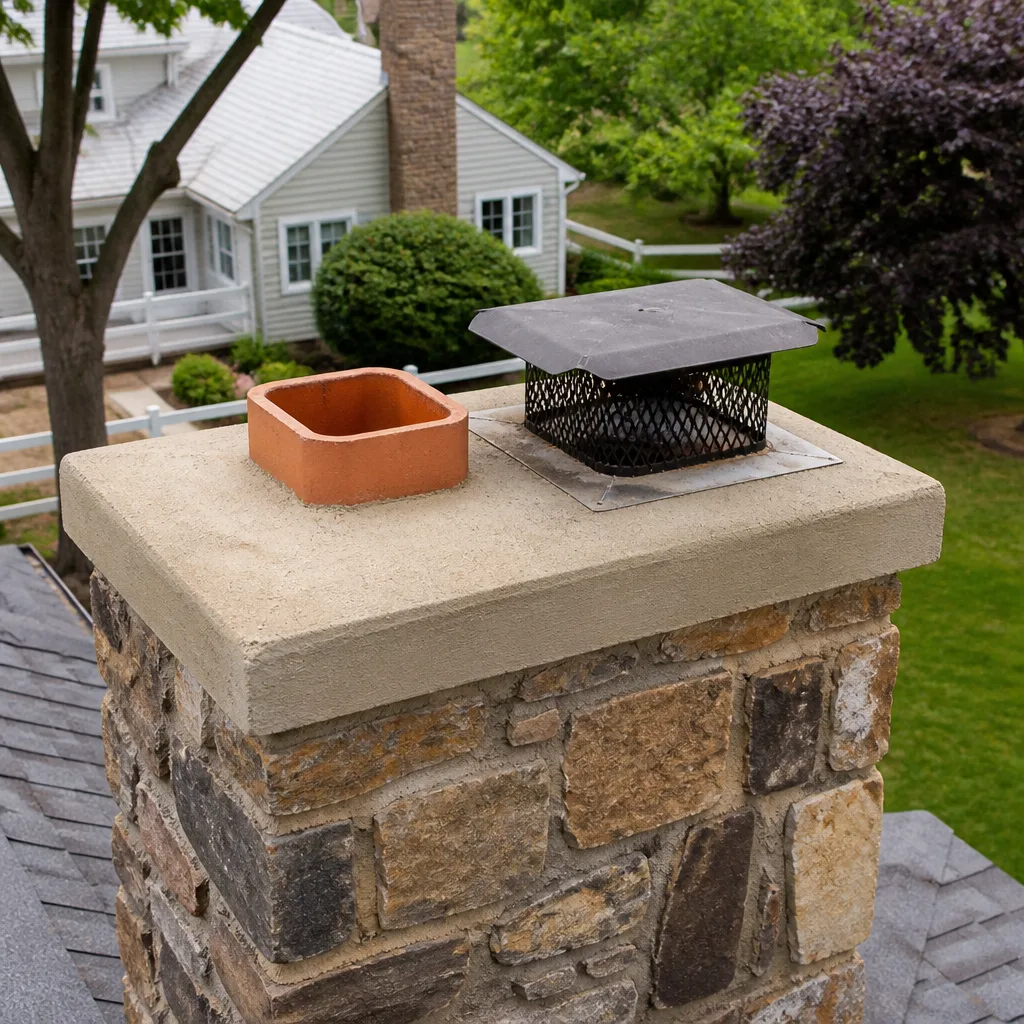 Sweep & inspection
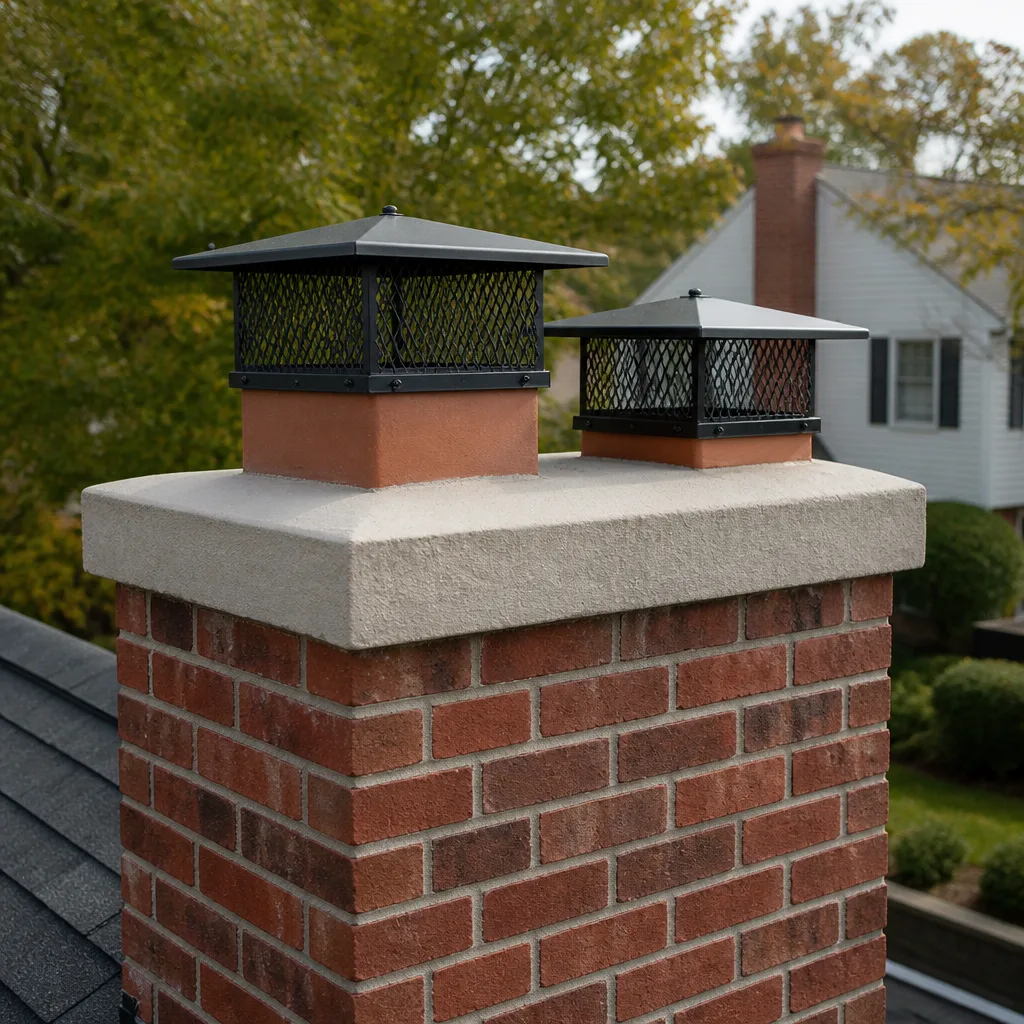 Caps & crowns
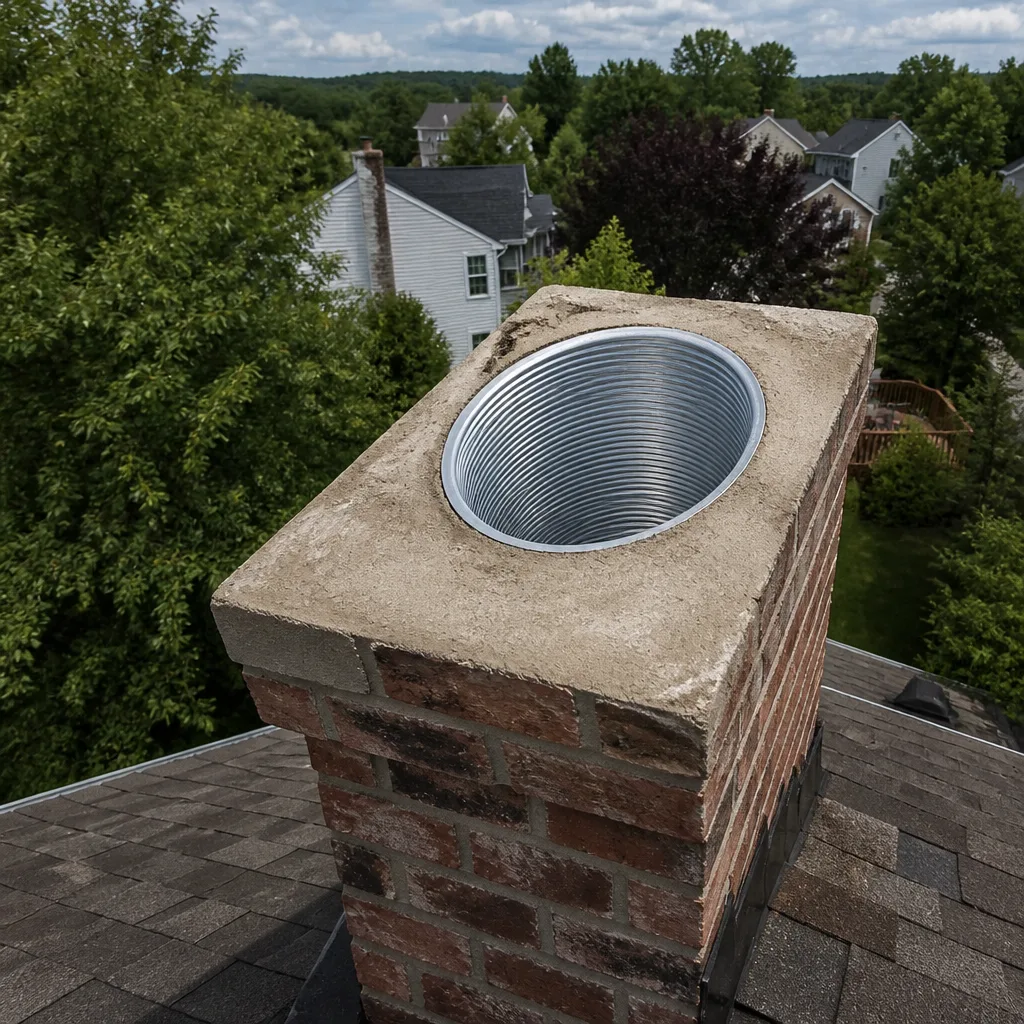 Flue relining
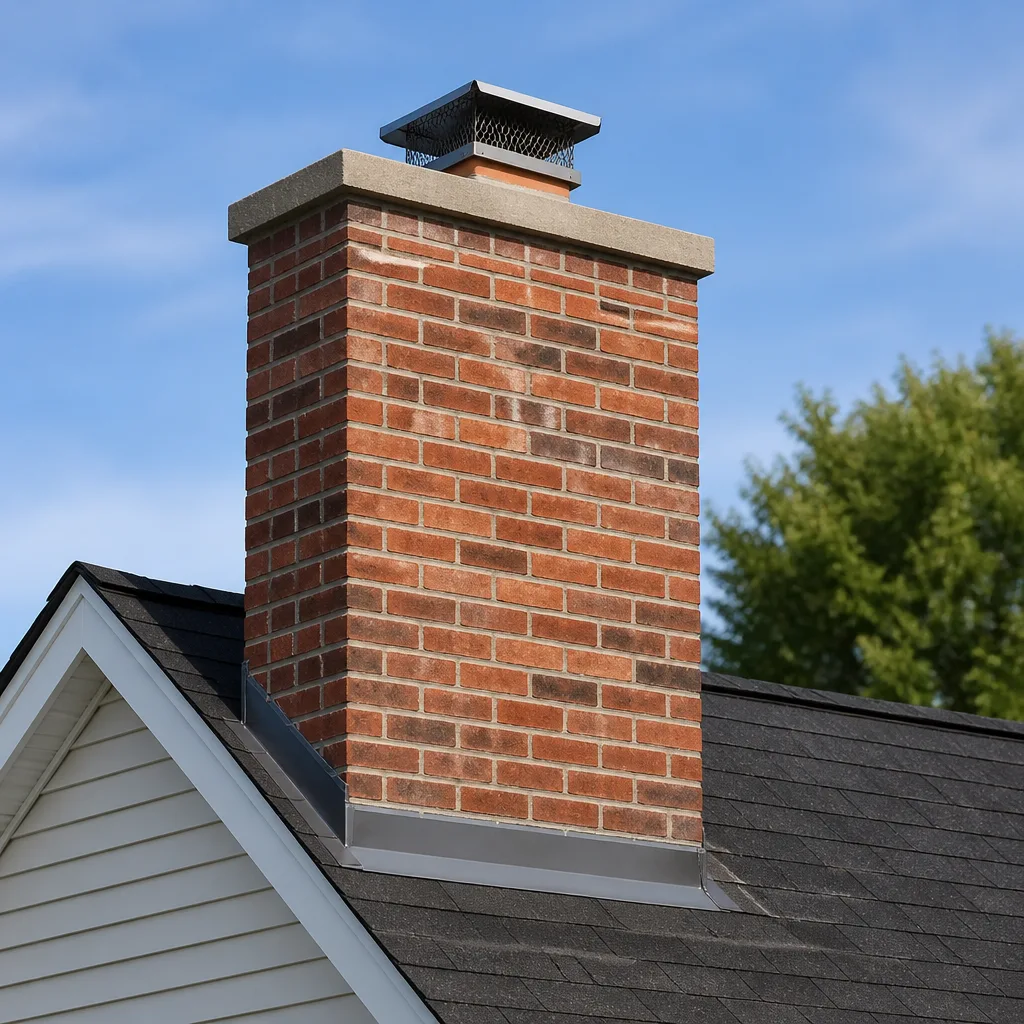 Masonry repair
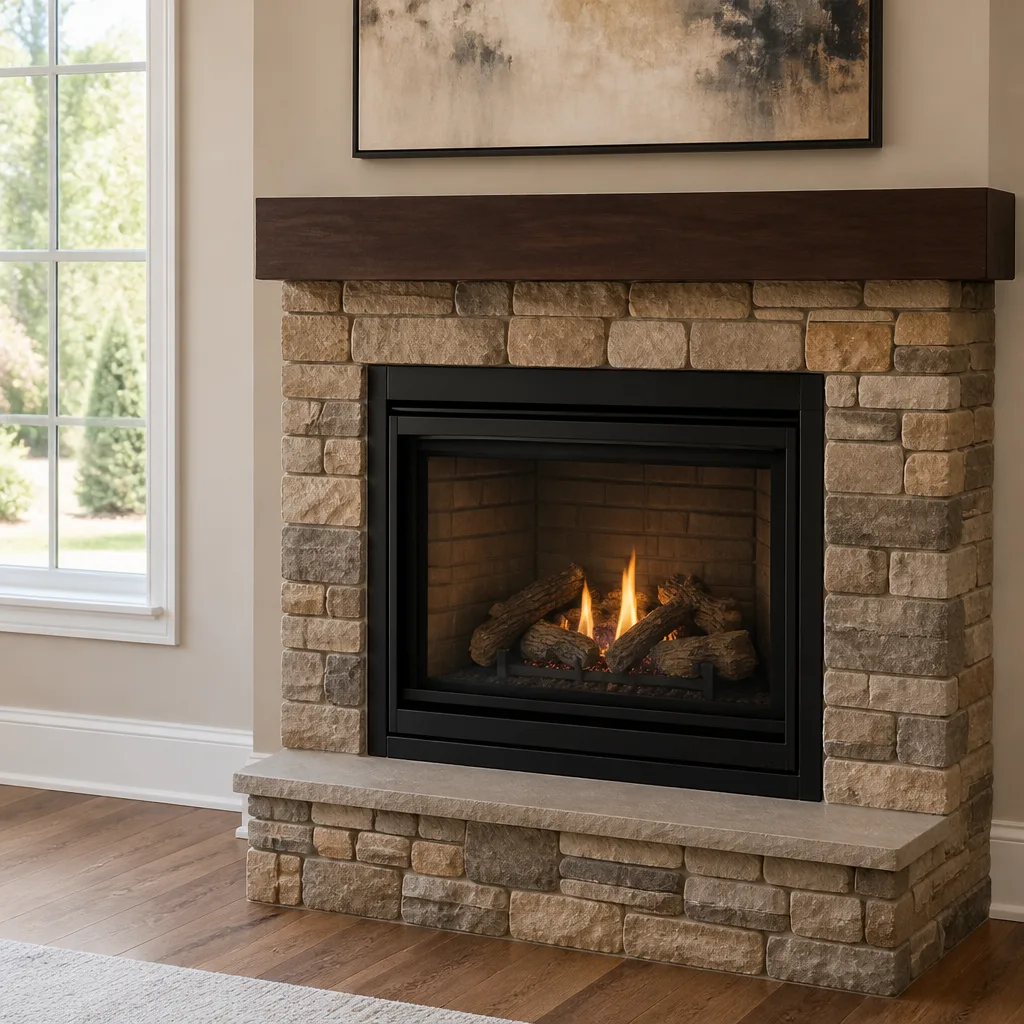 Gas fireplace service
Level 1 sweep and inspection to the NFPA 211 annual standard - flue, crown, cap, and flashing checked and photographed
Chimney sweep logs do not sweep chimneys. They loosen some creosote - which then falls where a brush and vacuum still have to collect it.
Chimney Cleaning Permits, Codes & Inspections in Ogden, UT: What You Need to Know
Most homeowners assume the person who rebuilds a firebox or slides a new liner into a flue handled the paperwork. Often nobody did. Here’s the part that matters: if a chimney company replaced your liner or rebuilt your firebox in Ogden without pulling the required city or county permit, that work is legally undisclosed. It can surface as a material defect during a home sale inspection, and the liability lands on you, not the contractor. This guide draws the line between what’s permit-exempt and what isn’t, explains how NFPA 211 drives Utah’s residential fire code, and shows you how to verify the work on your own house.
Quick Answer
Routine chimney cleaning and a standard chimney inspection do not require an Ogden permit. Structural chimney work does: full liner replacement, firebox rebuilding, masonry repair to the flue or chimney stack, and gas insert installation all fall under Utah’s residential building code framework, and the contractor is responsible for pulling the permit before work starts. A Level 2 inspection is also triggered by a real estate transaction, which means a certified inspector must document the flue, liner, clearances and visible components in writing.
Styles & brands we work with
- Sweep & inspection
- Caps & crowns
- Flue relining
- Masonry repair
- Gas fireplace service
Table of Contents
- Which Chimney Services Are Permit-Exempt in Ogden?
- Which Chimney Services Require a Permit?
- How NFPA 211 Underlies Utah’s Fire Code
- The Level 2 Inspection Triggered by a Real Estate Sale
- How to Verify a Contractor Pulled the Permit
- What Happens When Unpermitted Work Surfaces at Sale
- Ogden’s Climate and What It Does to Chimney Systems
- Common Mistakes to Avoid
Which Chimney Services Are Permit-Exempt in Ogden?
Cleaning, a visual or Level 1 inspection, and minor cap or crown patching generally don’t require a permit. These are maintenance activities on an existing system, not work that alters the structure or changes how the flue vents. Ogden’s building department treats them the way most Utah jurisdictions do: they’re occupancy and upkeep, not construction.
The chimney sweep visit itself is the clearest example. A technician runs a rotary brush through the flue, removes creosote and soot from the firebox and smoke chamber, checks the damper, and inspects the cap from the ground or roof. No framing changes, no flue diameter changes, no permit. You’ll get a report afterward, and it’s that report that tells you whether the next step crosses into permit territory.
Minor crown work sits in a grey zone that catches homeowners off guard. Re-sealing a hairline crack in the crown with a flexible sealant or patching a small spall on the cap does not alter the system. But a full crown rebuild, where the old crown is chipped off and recast with a proper overhang and drip edge, is masonry work on a structural component. In our experience, that’s where the permit question starts to matter, and it’s also where the work should be done by a chimney specialist rather than a general handyman.
- Permit-exempt: routine sweep and creosote removal, Level 1 visual inspection, minor cap resealing, small crack sealant on the crown, damper adjustment, spark screen replacement
- Grey zone (ask before booking): crown recasting, cap replacement as a full unit, mortar repointing on the exterior stack only
- Not permit-exempt: anything that changes flue size, adds a component, or rebuilds structural masonry
One seasonal note for Ogden homes: the valley’s freeze-thaw cycle runs hard from November through March. Water gets into a hairline crack in the crown, freezes overnight, and widens it. By spring, what was minor patching is often a full crown job. Getting the crown checked at the same time as the sweep saves a second visit.
Which Chimney Services Require a Permit?
Full liner replacement, firebox rebuilding, structural masonry repair, and gas insert installation all require a permit in Ogden. The short reason: every one of these changes the venting system or the structural assembly, and Utah’s residential code treats them as construction. The contractor pulls the permit, not you. If a company offers to let you pull it “to save time,” that’s a red flag about how they run a job.
Liner work is the most common case. When a clay flue is cracked or undersized, a stainless liner is the fix. A DuraFlex system is sized to the appliance, secured at the top, and connected with a proper tee or appliance connector. That’s a venting installation under the code, and the permitting authority wants to see it. HeatShield ceramic resurfacing, which restores a damaged flue liner in place rather than pulling a new one, is a specialized repair that also has to meet the same venting standard once it’s finished. In either case, the permit is the record that the work was done to code.
Gas insert installation is the one that surprises people. An insert looks like a swap, but it changes how a fireplace vents, changes the clearances around the firebox, and typically requires a modified flue arrangement. That’s a permit job in Ogden, and it’s also a job that needs a Level 2 inspection triggered when the appliance changes. If a retailer tells you the insert “just drops in,” ask them who’s pulling the permit.
Structural masonry work means anything that repairs the chimney stack itself: rebuilding the top courses, repairing a cracked flue tile, repointing a section that’s deteriorated past the surface. These are the jobs that need a chimney repair specialist, not a mason who happens to own a ladder. Chimney work is a different trade with its own standards, and the permitting authority expects the person pulling the permit to know the NFPA 211 requirements that apply.
How NFPA 211 Underlies Utah’s Fire Code
NFPA 211 is the national standard for chimneys, fireplaces, vents and solid fuel appliances, and Utah’s residential fire code adopts it as the technical basis for chimney requirements. You don’t need to read the whole document, but you do need to know the three things it regulates that affect your house: flue sizing, clearances to combustibles, and the condition of the liner.
Flue sizing is the one that catches undersized installations. The standard sets the relationship between the appliance’s flue collar and the flue’s cross-sectional area. Too small and the chimney won’t draft properly. Too large and the flue runs cold, which increases creosote buildup in a wood-burning system. An Ogden home with an older fireplace insert or a wood stove added after the fact often runs into this. If your smoke backdrafts into the room on a cold morning or the fire won’t establish draft, flue size is one of the first things a proper inspection checks.
Clearances to combustibles are the safety side. A flue needs a specific distance from framing and any combustible material around it, and where that clearance can’t be maintained, an approved shield or insulated liner closes the gap. This is where a chimney fire becomes a house fire. When a technician pulls the cap and looks down the flue, they’re also verifying the clearances through the framing at each floor and roof penetration. That’s what the standard asks for, and it’s why a chimney inspection is more than a visual once-over from the hearth.
The liner condition requirement is what drives most repairs. A cracked clay tile, a gap at the joint, or spalling on the inner face of the flue means the liner no longer functions as a gas-tight barrier. When the chimney passes through the framing of the house, that gap is a direct path for carbon monoxide and superheated gases. That’s a safety issue, not a cosmetic one, and it’s the main reason a sweep report should never be dismissed.
Your local permitting authority applies NFPA 211 as the technical reference when reviewing a chimney permit. When you book the work, the question to ask is simple: “Which standard will the work be inspected against?” Any chimney professional should answer “NFPA 211” without hesitation.
The Level 2 Inspection Triggered by a Real Estate Sale
A Level 2 inspection is required by NFPA 211 whenever a chimney or vent is being sold, transferred, or after any change to the appliance or fuel type. In Ogden, that means a real estate transaction automatically triggers one. The buyer’s lender may not spell it out, but the standard does, and a smart seller or buyer schedules the inspection before closing.
Here’s what a Level 2 inspection actually requires a certified inspector to document. This is not a checklist you can run from the living room:
- The flue: every accessible flue is viewed with a camera, and the inspector records the condition of the liner tile by tile, noting cracks, gaps, spalling, and any sign of past fire damage
- The firebox and smoke chamber: photographed and described, with any deterioration or unstable masonry noted
- The crown and cap: inspected for cracks, missing parts, and proper clearance above the flue termination
- Clearances to combustibles: the inspector verifies the required distance from framing and records anything that fails
- The appliance connection: the appliance connector, damper, and any insert or stove is checked against the flue it’s vented into
- The exterior stack: flashing, mortar joints, and any visible damage from the roof line down
- A written report with photographs: the report is a document you keep, not a verbal summary
The written photo report is the part that protects everyone. If the report says the liner is cracked and the buyer accepts the house anyway, the inspector’s documentation is on record. If the report says the system is sound and the buyer’s own contractor disagrees later, the documented condition at the time of sale is what matters. A certificate from a proper Level 2 inspection is one of the strongest documents a homeowner can have going into a sale, and it’s the reason we offer inspections as a standalone service rather than bundling them into a sales pitch for liner work.
How to Verify a Contractor Pulled the Permit
You verify a permit by searching Ogden City’s online permit portal by your property address, and if there’s no record of the work, assume it wasn’t permitted. That’s the whole test. It takes a few minutes and it’s the single most useful thing a homeowner can do after any structural chimney job.
Here’s the step-by-step, whether you’re checking work already done or preparing to hire:
- Ask the contractor for the permit number in writing before work starts, and note it in your file
- Search the Ogden City permit portal by the property address, not the contractor’s name
- Confirm the scope of the permit matches the work being done (a “gas insert install” permit does not cover a liner replacement)
- Check that the permit shows a scheduled or completed inspection, and confirm the inspection passed
- If you find no record, contact your contractor in writing and ask for the permit number or an explanation
- If the contractor can’t produce one, contact the city building department directly to ask what’s required to get the work inspected retroactively
Weber County has its own permit framework for unincorporated areas, so if your home sits outside Ogden city limits, verify with the county. In our experience, most of the confusion comes from homes in areas where the city-county line runs close to a residential neighborhood. If you’re unsure which jurisdiction applies, your title company can tell you, and so can the building department.
The one thing to do before signing: read the contract before signing. If the scope of work lists “new flue liner” or “firebox rebuild” and doesn’t mention permits, ask who’s pulling them. A contractor who knows the code will have the answer ready. A contractor who says “we don’t usually pull permits for that” is telling you they don’t think code applies to them. Trust that signal.
What Happens When Unpermitted Work Surfaces at Sale
Unpermitted chimney work surfaces at sale, and the seller is usually the one who eats the cost. A buyer’s inspector finds an installed liner with no permit on record, a firebox rebuild that wasn’t inspected, or a gas insert installed without the required documentation. Now it’s a material defect in the transaction, and either the sale stalls, the price renegotiates, or the seller pays for the work to be inspected retroactively before closing. None of those outcomes is free.
The seller’s liability comes from the transfer disclosure. Once a homeowner knows about unpermitted work, they have to disclose it. If they don’t know, they can’t be accused of hiding it, which is why the record matters: permitted work has a paper trail, and unpermitted work doesn’t. In a hot Ogden housing market, buyers and their agents know to ask for chimney documentation. A missing permit is the first thing a sharp buyer’s agent will flag.
Getting work inspected retroactively is possible in most cases, but it’s more expensive and more involved than permitting it up front. The process usually looks like this:
- The homeowner contacts the city or county building department and describes the work that was done
- The department may require a licensed contractor to open or expose the work for inspection (which means partial dismantling of a liner or firebox)
- The work is inspected against NFPA 211 and the current code
- Deficiencies are corrected and re-inspected
- If the work can’t meet current code, it may need to be removed and redone
The moral of the story is boring, and that’s the point: pull the permit before the work starts. It’s cheaper, faster, and it’s what protects you when you sell. When we quote a structural job, the permit is part of the scope, not an afterthought, and a written estimate should reflect that.
Ogden’s Climate and What It Does to Chimney Systems
Ogden’s climate is hard on chimney systems in ways that don’t show up on a general maintenance list. The winters are cold enough that fireplaces run heavy from November through February, and the freeze-thaw cycle on the Wasatch Front is a genuine source of masonry damage. The Ogden Valley and the east bench neighborhoods see deeper cold and more snow load than the lower city, and homes there tend to have taller stacks with more exposed masonry.
The freeze-thaw cycle works on water that gets into the chimney through a cracked crown, a failed mortar joint, or a spalled brick face. Water absorbs into the masonry during the day, freezes overnight, expands, and pushes the masonry apart. Over a winter, a hairline crack in a crown becomes a section that needs rebuilding. Homes in Ogden neighborhoods with older housing stock, like the East Central and Jefferson areas, often have chimneys from a period when brick and mortar techniques were different, and the exterior stack is the first place the damage shows.
Burning season runs long enough in Ogden that creosote accumulation matters. A wood-burning fireplace used regularly through a full winter builds a layer of creosote on the flue walls, and glazed creosote in a cool-running flue is a chimney fire risk. That’s the reason a sweep before the season starts is worth booking, and it’s the reason flue size matters: an oversized flue cools the smoke and accelerates creosote buildup. When you book a sweep, ask the technician to note the flue size and the creosote condition on the report.
One thing that’s specific to Ogden and gets missed: the dry summer air combined with winter moisture creates a pattern where a crown that looks fine in August is failing by February. A crown check in late summer, before the first hard freeze, gives you a season to get it fixed. If you’re putting off a look at your crown, chimney cap & crown work is the cheapest insurance on the whole system.
Common Mistakes to Avoid
- Assuming the sweep pulled the permit. Cleaning doesn’t need one, but a liner replacement does, and homeowners regularly assume the sweep’s report is the same thing as a permit record. It isn’t. Ask for the permit number separately.
- Trusting a verbal inspection report. A Level 2 inspection requires a written, photographed report under NFPA 211. If you get a verbal “looks good” and nothing on paper, you don’t have an inspection, and you have no documentation for a sale.
- Letting a gas insert “drop in” without a permit. An insert changes the venting and clearances, which triggers both a permit and a Level 2 inspection. Retailers who skip this are handing you a problem that surfaces at sale.
- Ignoring a crown crack until spring. Ogden’s freeze-thaw cycle turns a small crown crack into a rebuilding project over one winter. Catch it before the freeze, not after.
- Hiring a general mason for a chimney rebuild. Chimney work is its own trade with its own code, and a mason without NFPA 211 experience can leave you with a structural job that won’t pass inspection.
- Skipping the permit search on a home you’re buying. A quick address search on Ogden City’s permit portal is the cheapest due diligence a buyer can do, and it’s often the difference between a clean close and a renegotiation.
- Treating the sale inspection as optional. NFPA 211 requires a Level 2 inspection on transfer. Skipping it doesn’t make the requirement disappear; it just pushes the problem to the buyer’s inspector.
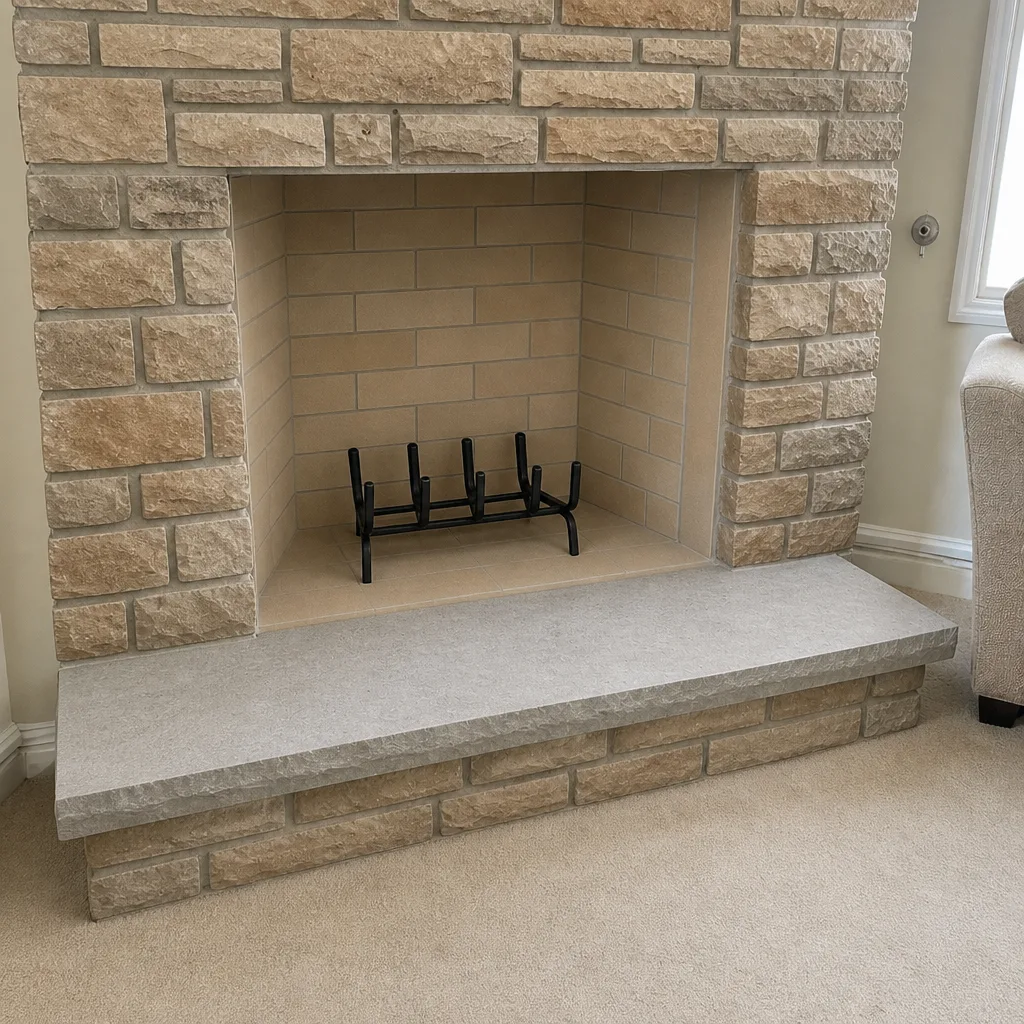
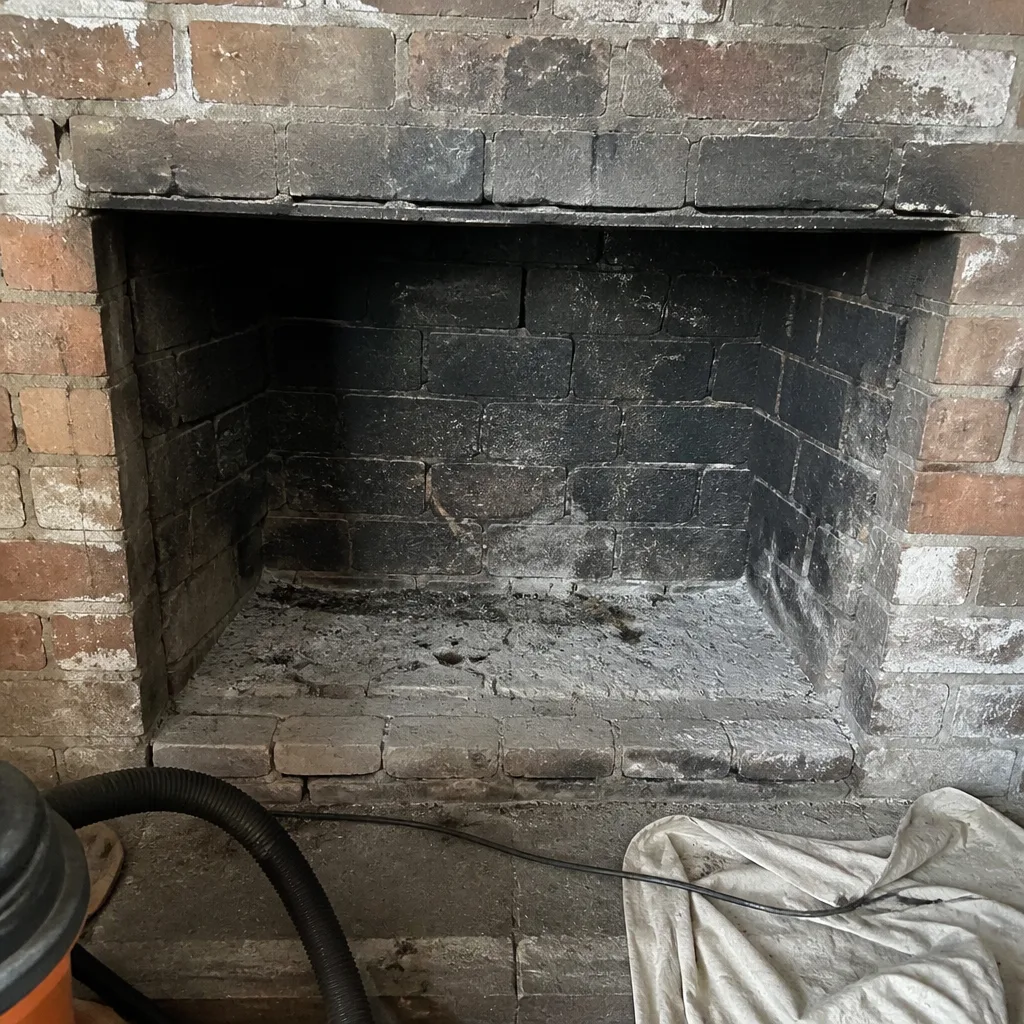
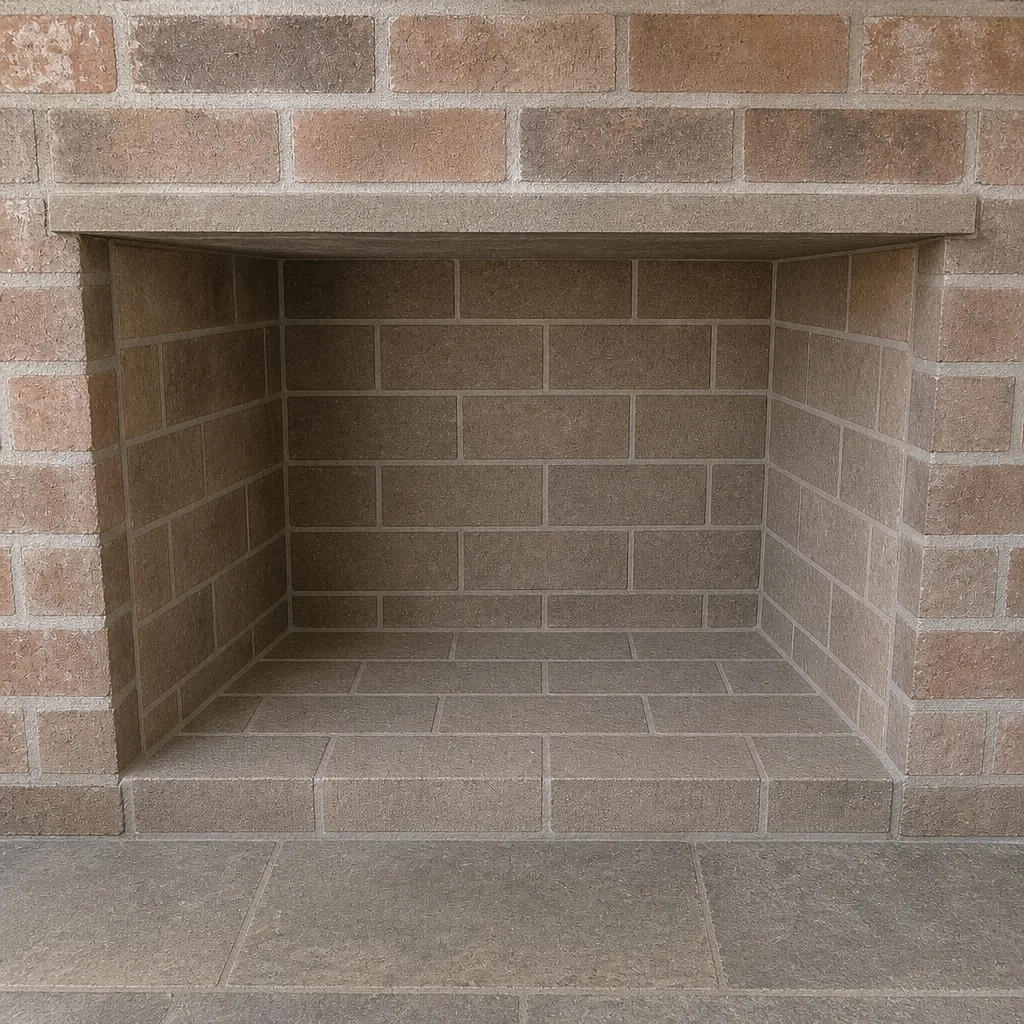
See the difference
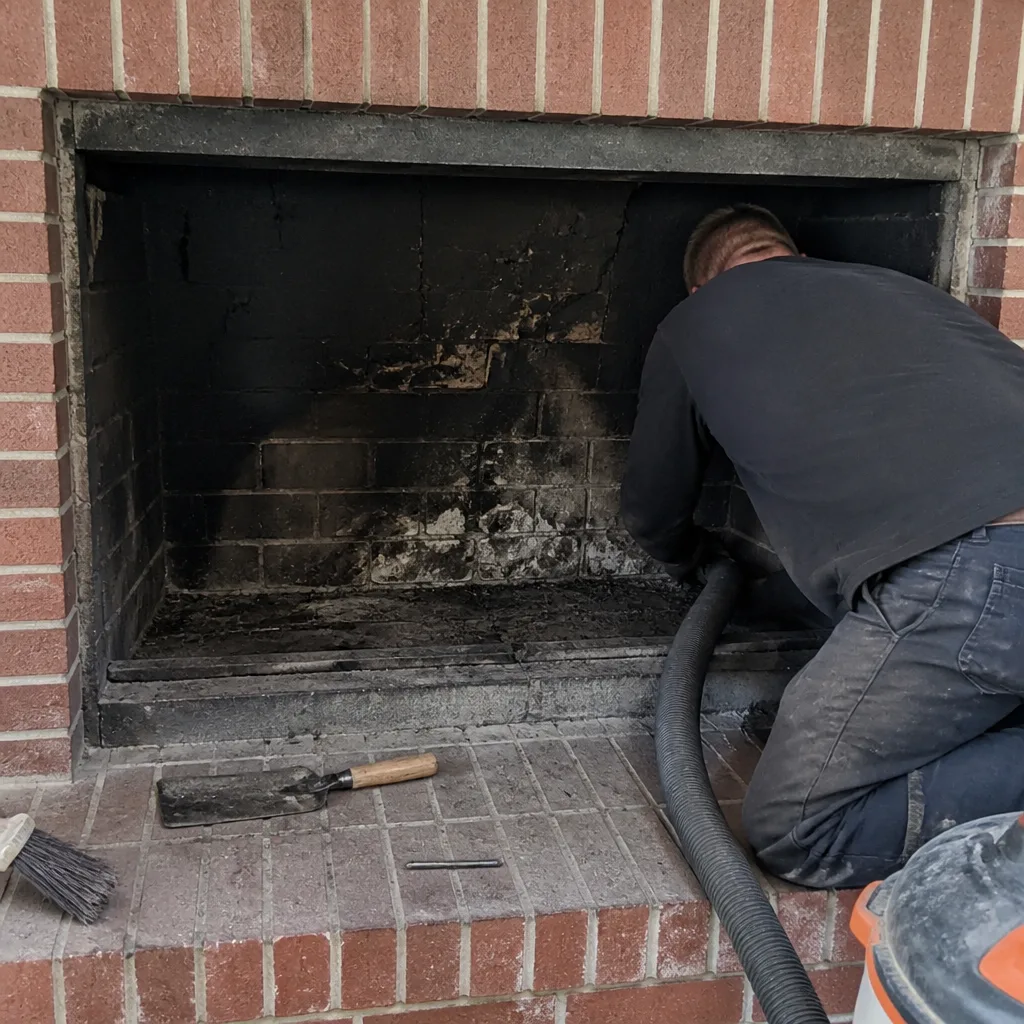 Before
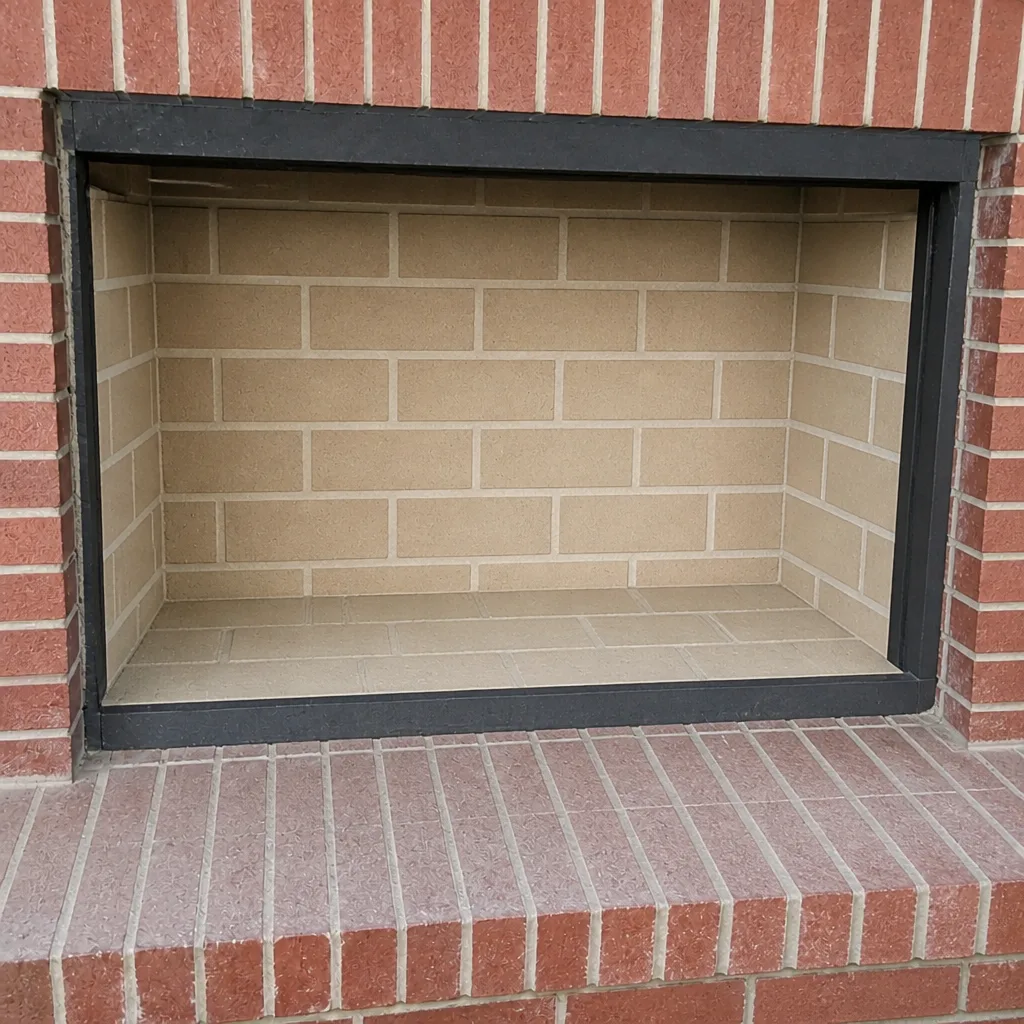 After
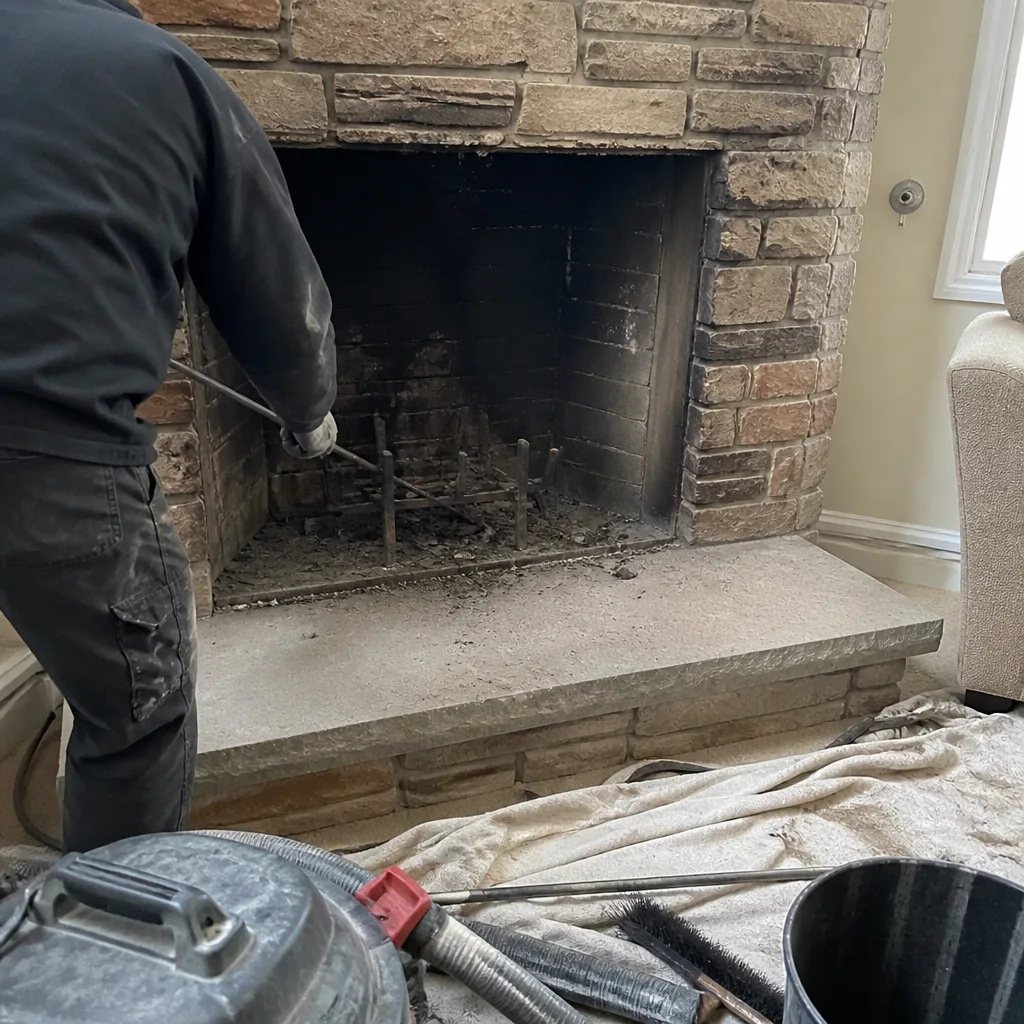 Before
 After
 Before
 After
When to Call a Professional
Call a chimney professional when a sweep report flags any structural issue, when you’re buying or selling an Ogden home and need a Level 2 inspection, or when you notice smoke backdrafting into the room, a missing cap, crumbling mortar on the exterior stack, or a firebox that looks unstable. These are not weekend projects: a failing liner, a gas insert without documentation, and a rebuild without a permit all have real consequences for your safety and your sale. Our technicians have up to 9 years of experience, we inspect before we recommend, and nothing is suggested without camera evidence you can see for yourself. If work can safely wait, we say so. Chimney Sweep Ogden offers free estimates in Ogden. Call (833) 918-6769. We answer 24/7. Fast dispatch from 7am to 7pm, Sunday through Friday.
Frequently Asked Questions
No. A routine chimney cleaning and a Level 1 inspection do not require a permit in Ogden. The permit question only comes up when the work changes the venting system or rebuilds structural masonry, such as a liner replacement, firebox rebuild, or gas insert installation. Call (833) 918-6769 for a free estimate if you’re unsure which category your job falls into.
Yes. A full liner replacement is a venting installation under Utah’s residential code and requires a permit from Ogden City or Weber County, depending on your address. The contractor pulls it before work starts. If a company offers to skip the permit, that’s a sign to hire someone else. Call (833) 918-6769 for a written estimate that includes the permit.
A Level 2 inspection is a thorough, camera-based evaluation of every accessible flue, the firebox, the crown, the clearances, and the appliance connection, documented in a written report with photographs. NFPA 211 requires it whenever a chimney is being sold or transferred, after a change to the appliance or fuel type, and after a chimney fire or other event. It’s the standard inspection for real estate transactions in Ogden.
Search Ogden City’s online permit portal by your property address. If there’s no record of the work, assume it wasn’t permitted. The permit number should appear on your contract, and the inspection should show as completed. If you can’t find a record, contact the building department to ask about retroactive inspection before the issue comes up at sale.
It becomes a material defect in the transaction. The seller usually has to disclose it once known, and either the sale stalls, the price renegotiates, or the seller pays for retroactive inspection before closing. Retroactive inspection can require opening the work for review, and if it can’t meet current code, it may need to be redone. Permitting up front avoids the entire scenario.
Utah doesn’t have a single statewide chimney-sweep license, but the local professional you hire should be licensed and insured as their state requires, and a certified inspector should hold credentials from a recognized chimney trade organization. Ask for the certification before booking. For an Ogden inspection or sweep, call (833) 918-6769, and we’ll tell you exactly what credentials apply to the job.
The Bottom Line
Cleaning and inspection are permit-exempt in Ogden. Liner replacement, firebox rebuilding, structural masonry repair, and gas insert installation are not, and the contractor is responsible for pulling the permit. NFPA 211 is the technical standard behind Utah’s residential fire code, and a Level 2 inspection is triggered by a real estate sale. Verify any structural job by searching Ogden City’s permit portal, and if you find no record, get it inspected retroactively before it becomes someone else’s problem. The permit is the paper trail that protects you when you sell.
If you’re not sure what your chimney needs, call (833) 918-6769 for a free estimate. We answer 24/7. Fast dispatch from 7am to 7pm, Sunday through Friday. We’ll inspect before we recommend, show you the camera evidence, and put the scope and the permit requirements in writing.
Written by the team at Chimney Sweep Ogden.